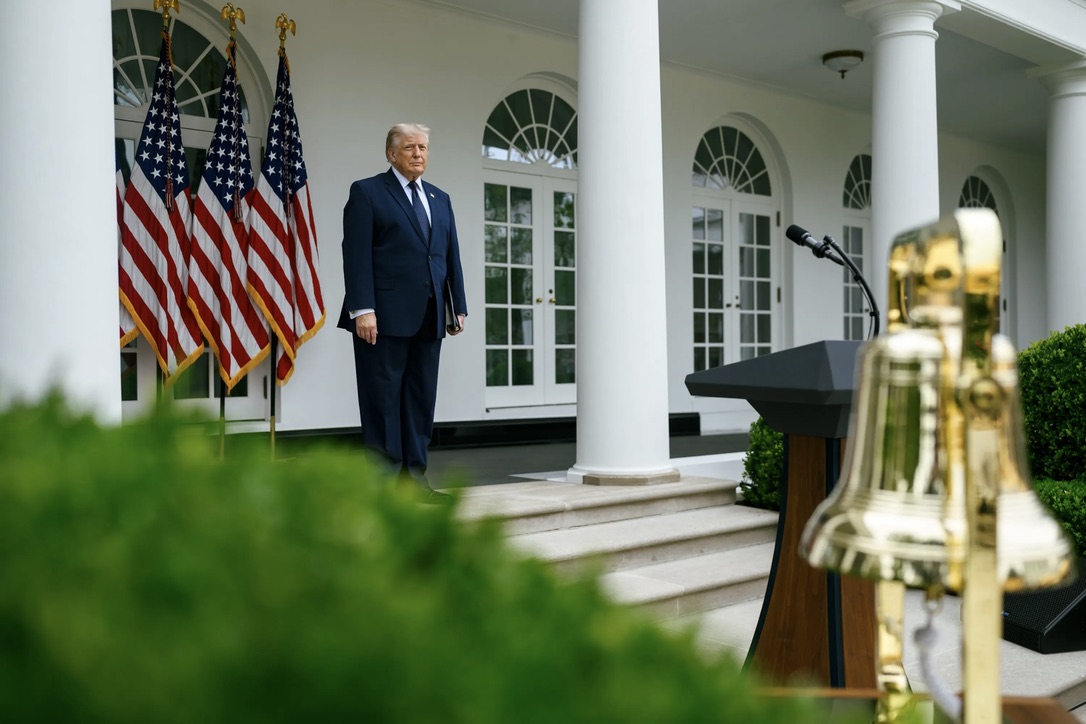
WASHINGTON (Realist English). US President Donald Trump has announced that talks with Iran will begin on 3 August, after he called off planned “massive” strikes on the Islamic Republic. However, Tehran has already rejected the American leader’s claims of having reached “outlines of a deal,” calling them “new lies.”
On 2 August, Trump declared that the US is “cocked and loaded” for a military operation against Iran “at levels of military terror, force and might unseen since World War II.” However, according to him, Iran and other Middle Eastern countries asked Washington to hold off on the attack because “the outlines of a deal have already been agreed.”
Terms of the deal and regional pressure
The key conditions of a potential agreement, as Trump outlined them, are the immediate, full and comprehensive opening of the Strait of Hormuz to commercial shipping and an end to the nuclear threat from Iran.
“Based on this request, I agreed, for the future good of the entire WORLD and, accordingly, for the survival of a successful and prosperous Iran, to call off the attack provided that we can quickly conclude a DEAL,” the US leader wrote. He also said that Israel is joining this commitment and supports the pause in strikes.
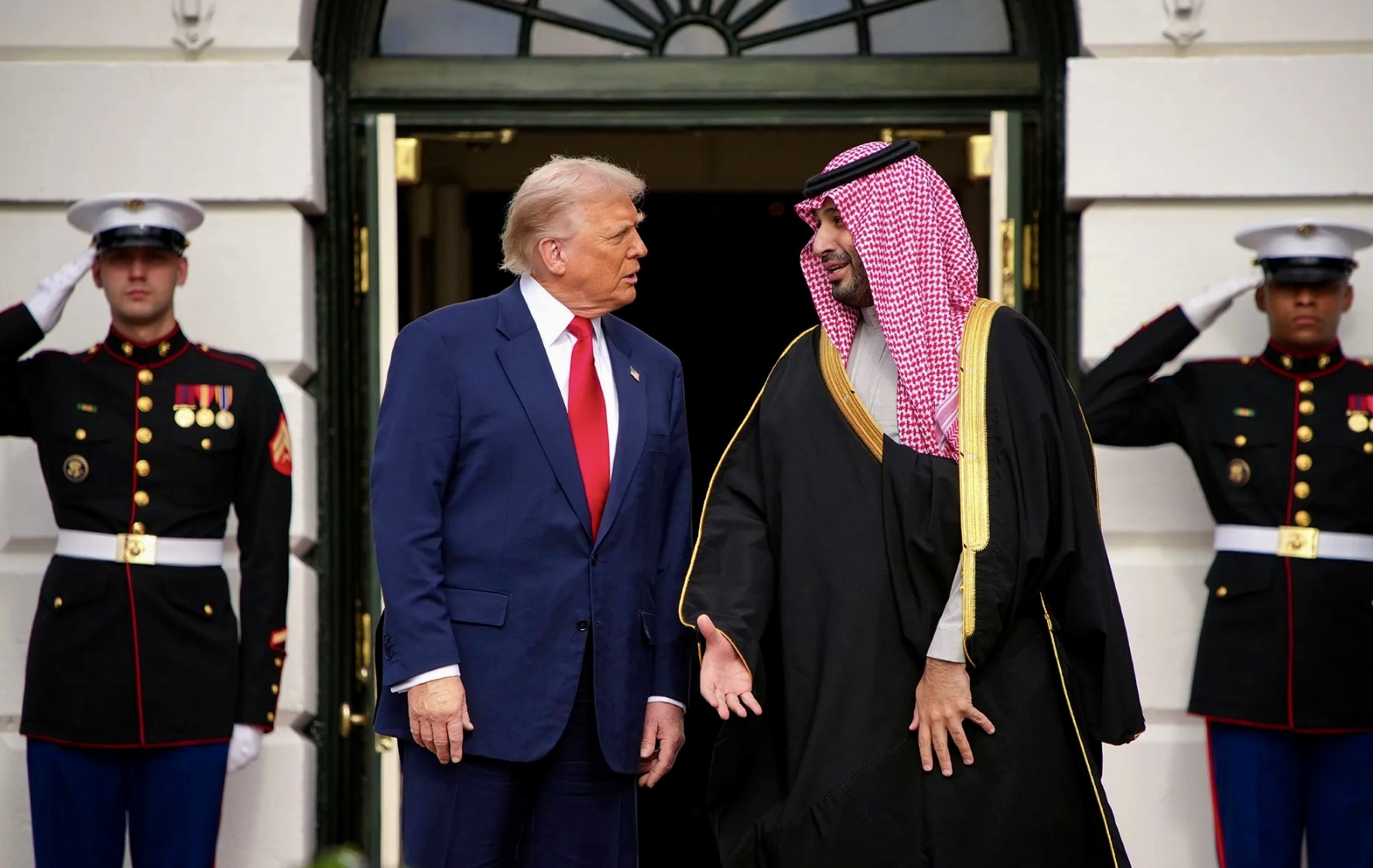
The cancellation was preceded by intensive diplomatic consultations. Trump held a phone call with Saudi Crown Prince Mohammed bin Salman, who stressed Riyadh’s desire for de‑escalation. According to media reports, the prince warned Trump that strikes on Iran’s energy infrastructure could trigger retaliatory attacks on Saudi Arabia and other Gulf states. Qatar, the UAE, Turkey and Pakistan also actively pushed for de‑escalation and the resumption of talks.
Iran denies agreements
Despite Trump’s optimistic statements, the Iranian side has not confirmed any agreements. The Fars news agency, considered the mouthpiece of the Islamic Revolutionary Guard Corps (IRGC), cited a source in Iran’s negotiating team as saying: “There is no agreement on resuming shipping through the Strait of Hormuz.”
The source stressed that the strait will remain closed as long as the US continues “hostile actions” against Iran. Ships will only be able to pass along approved routes and with permission from the IRGC Navy. The semi‑official Mehr news agency also called Trump’s statements “nothing but new lies.”
At the same time as rejecting any deal with the US, Iranian Foreign Minister Abbas Araghchi confirmed that talks between Iran and Oman on shipping in the Strait of Hormuz are in their “final stage.” The sides are discussing the creation of a new route through the strait. Meanwhile, the Iranian Foreign Ministry spokesman said the situation in the Strait of Hormuz “will not return to what it was before the war.”
An Iranian military source also warned that Tehran’s response to a potential attack would not be limited to the Persian Gulf. Iran’s Foreign Ministry held a series of phone calls with counterparts from Saudi Arabia, Turkey, Pakistan, the UK and India, warning about the consequences of “aggressive and destabilising” US actions.
Israel’s reaction and markets
Israeli officials said they were excluded from the decision‑making process for several hours and were unaware of the strike cancellation. Netanyahu reportedly learned of the cancellation from Trump’s social media posts.
Oil prices fell sharply after Trump’s announcement. On the morning of 3 August, Brent dropped 4.5% to $83.98 a barrel, while WTI fell 4.6% to $80.74. Before the war, about 20% of the world’s oil and liquefied natural gas passed through the Strait of Hormuz, which Iran has effectively blockaded since 28 February.
Trump said talks would begin on 3 August, but did not specify where or with whom. He also declined to name a deadline for reaching a deal.
The Middle East remains in a state of uncertainty. Trump has declared progress and given diplomacy a chance, but Tehran denies any agreements and maintains control over the Strait of Hormuz.
As Reuters notes, “Trump’s apparent de‑escalation after days of mutual threats of fresh attacks was another twist in the protracted war.” The question is whether the sides can find common ground at the negotiating table – or whether rhetoric and military threats will once again prevail.