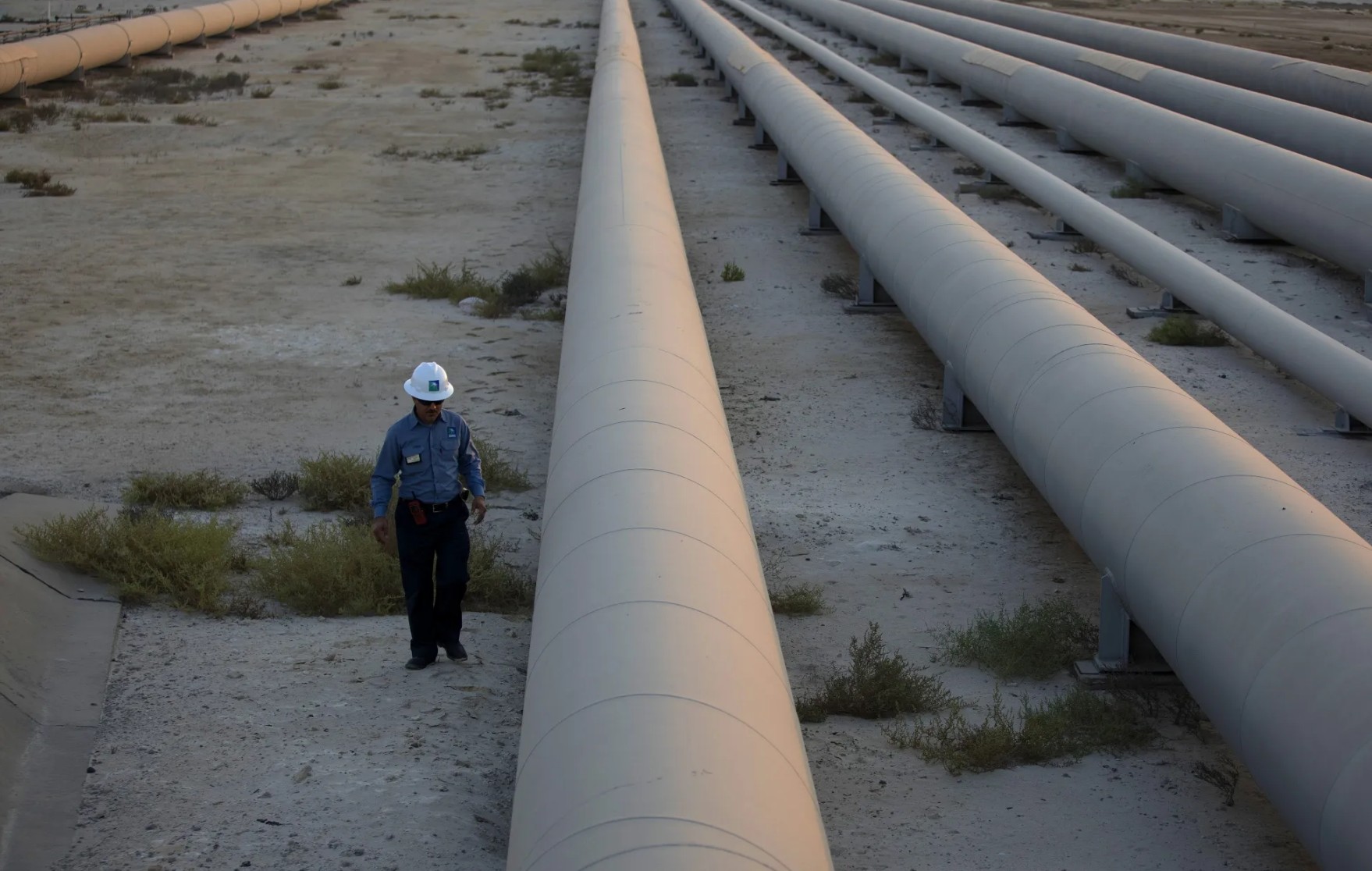
RIYADH (Realist English). The East–West pipeline (Petroline), which connects oil fields in eastern Saudi Arabia with the port of Yanbu on the Red Sea, remains shut down after drone attacks on 10 September. It was precisely this pipeline that, over recent months, served as the main alternative to the Strait of Hormuz for Saudi exports.
What Is the East–West Pipeline?
Petroline, approximately 1,200 kilometres long, connects oil fields in eastern Saudi Arabia (the Abqaiq area) with the port of Yanbu on the Red Sea coast. It was built in the 1980s specifically to provide export routes bypassing the Strait of Hormuz.
The pipeline’s maximum capacity is 7 million barrels per day. However, about 2 million barrels per day of this volume is directed to Saudi Arabia’s western refineries, so theoretically about 5 million barrels per day is available for export.
Why It Has Become Critically Important Right Now
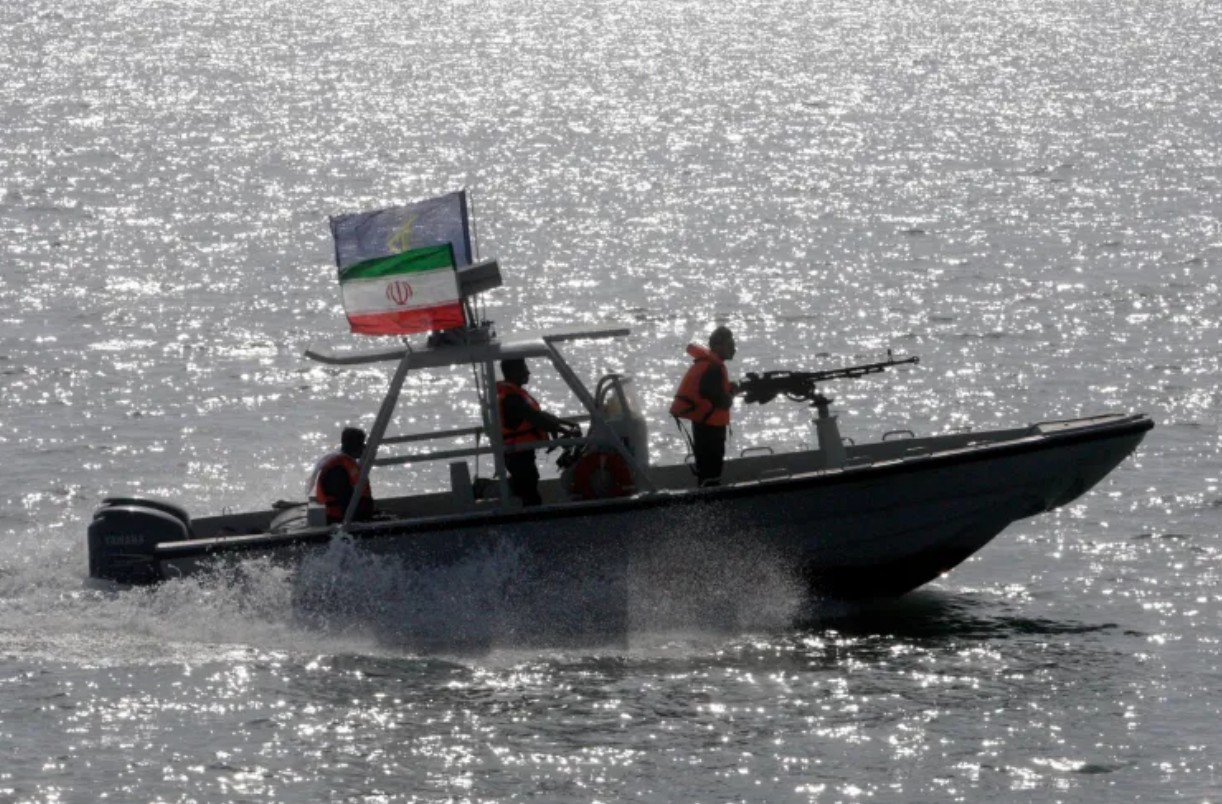
Since late February 2026, after the outbreak of the US-Iranian conflict, shipping through the Strait of Hormuz — the traditional route for 6 million barrels per day of Saudi exports — has been effectively blocked. Before the war, about 20% of the world’s oil passed through this strait.
Saudi Arabia was forced to redirect significant volumes through Petroline. According to industry sources, over the past six months about 4 million barrels per day was redirected through the pipeline to Yanbu — roughly 4% of global oil supplies.
The Scale of the Current Crisis
Drone attacks on 10 September disabled pumping stations on the pipeline. Saudi Arabia announced a “precautionary” shutdown. The consequences:
Yanbu stocks are running out. According to Reuters, stocks at the port of Yanbu will last only 5–7 days of exports. The port’s storage facilities are designed for approximately 35 million barrels but are not fully filled. Additional stocks exist at the Egyptian ports of Ain Sukhna (18 million barrels) and Sidi Kerir (20 million), but these too are not infinite.
Saudi output is already at a minimum. In August, output fell to 6.2 million barrels per day, against 10.9 million in February — the lowest level in more than 30 years.
Europe is left without supplies. Saudi Aramco has notified at least two European buyers that there will be no deliveries in October. Poland’s Orlen is urgently seeking alternatives.
What This Means for the Market
The shutdown of Petroline is not the loss of all 7 million barrels, but the loss of 4–5 million barrels per day of actual exports through the Red Sea. That is roughly 4% of global supply disappearing from an already constrained market.
Repair timelines remain uncertain: estimates range from a few days (partial restoration) to 5–6 weeks (full restoration). It is precisely this uncertainty that is the key factor in oil price volatility.
Saudi Arabia is trying to compensate for the losses by increasing exports through Persian Gulf ports and ship-to-ship transfers off Oman (the port of Sohar), but this cannot fully replace Petroline.