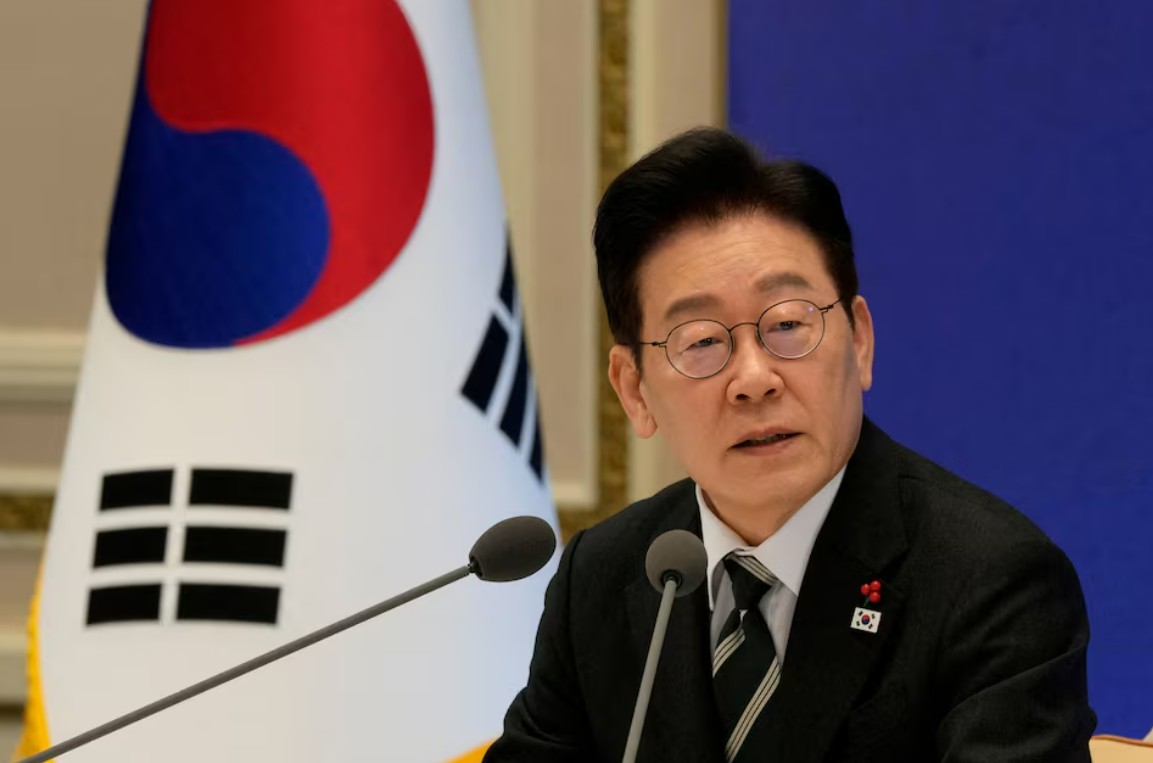
SEOUL (Realist English). On 18 September, South Korean President Lee Jae-myung held a press conference for domestic and foreign media at the Blue House (Chong Wa Dae), where he clearly set out his position in response to US pressure demanding that South Korea make a more active contribution to the Middle East conflict.
Lee Jae-myung stated that South Korea will not interfere or participate in the war in any form — neither by sending troops nor by deploying military assets.
“There will be no dispatch of troops to intervene or participate in the war — I can tell you this clearly,” Lee Jae-myung said. He stressed: “In whatever form — sending troops or deploying military resources — we will not do it. We have adhered to this principle until now, and it will not change going forward.”
Background: US Pressure and South Korea’s Dilemma
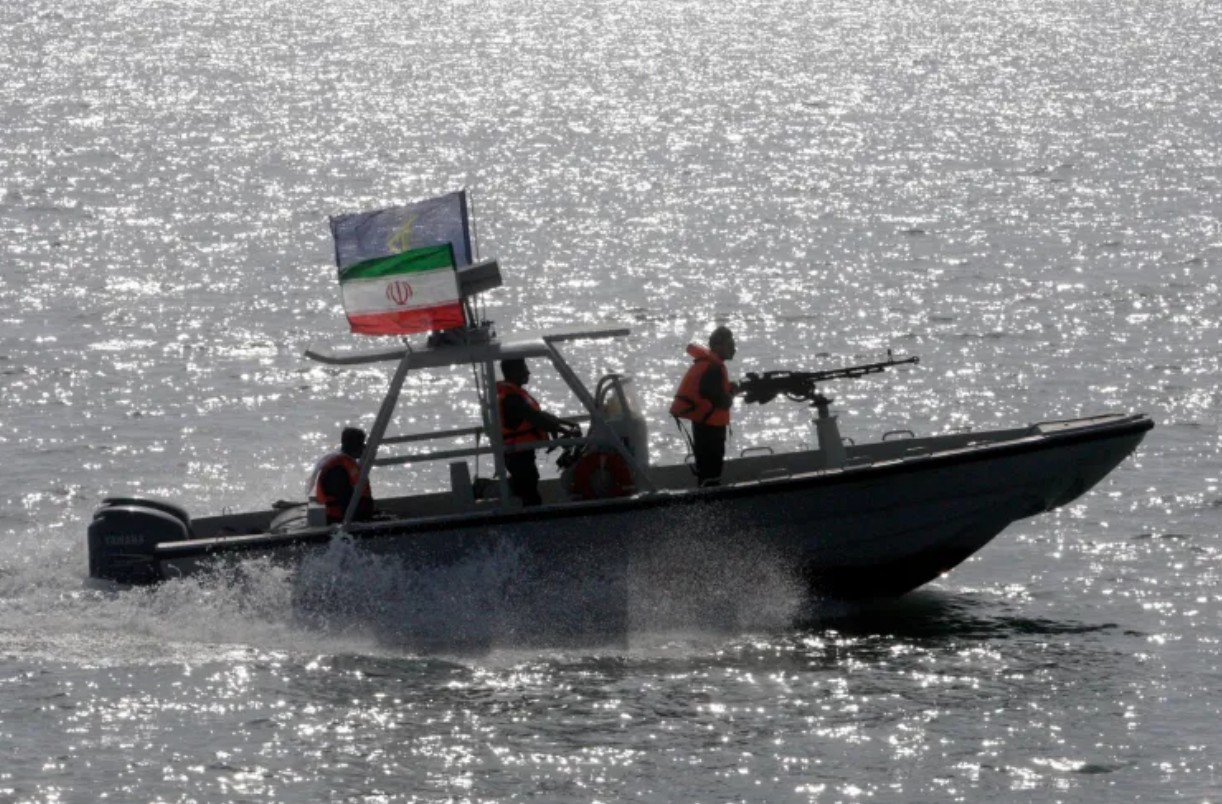
Lee Jae-myung’s statement was a direct response to continued pressure from the United States. Since the outbreak of the US-Iran conflict in late February and Iran’s establishment of de facto control over the Strait of Hormuz, US President Donald Trump has repeatedly demanded that South Korea and other allies contribute to restoring freedom of navigation through the strait.
Trump complained that South Korea and other allies were unwilling to help, and in August suddenly reduced the scale of joint US-South Korean exercises, one of the reasons being Lee Jae-myung’s refusal to assist with the “denuclearisation of Iran.”
South Korea’s dilemma is as follows: on the one hand, about 70% of the country’s crude oil imports come from the Middle East, and nearly 95% of those pass through the Strait of Hormuz, making energy security extremely dependent on freedom of navigation in that corridor. On the other hand, participation in the US-Iran conflict could provoke retaliatory measures from Iran and is extremely unpopular domestically.
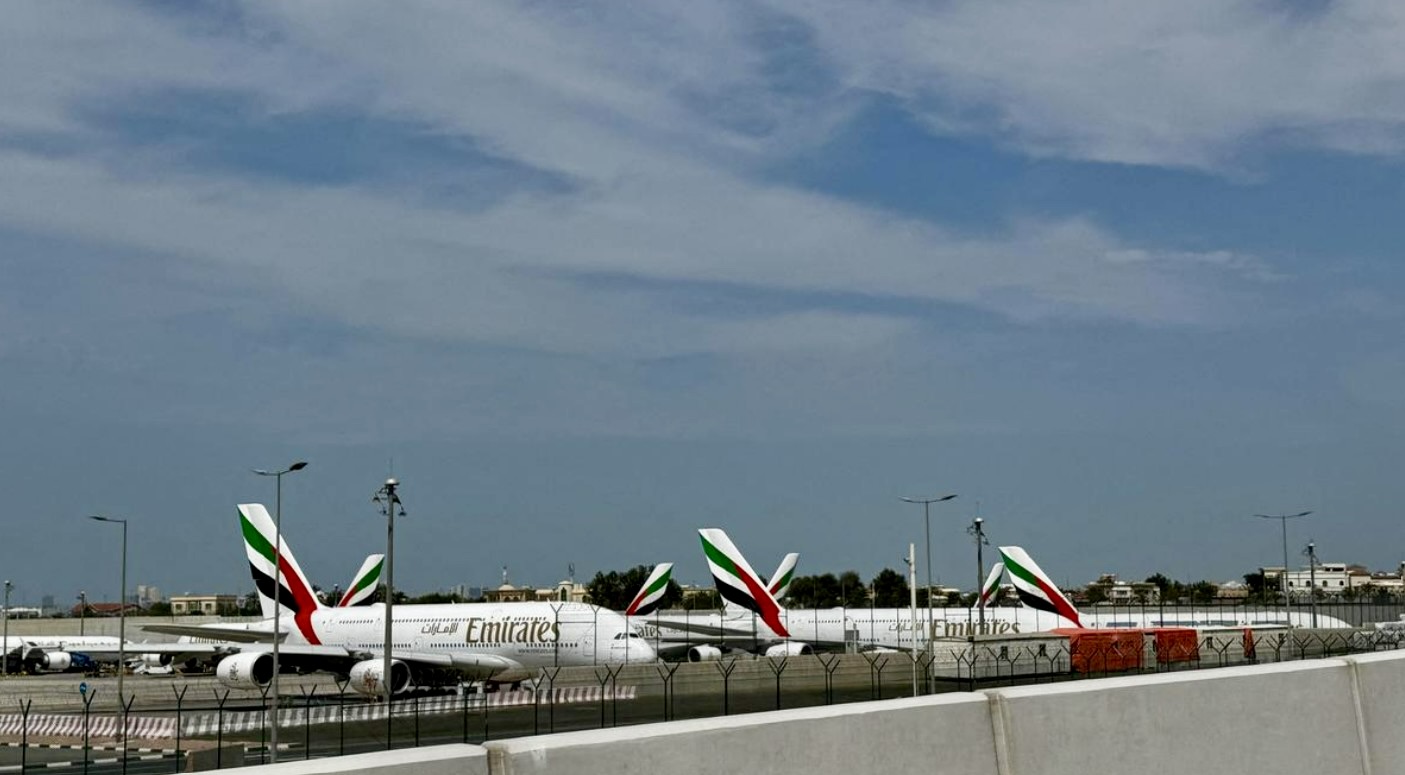
The South Korean Ministry of National Defense had earlier sent a field assessment team to the UAE to study US military facilities, including Al Dhafra Air Base and Jebel Ali Port, and also planned a trip to Bahrain to assess the possibility of South Korean military participation in multinational operations. These actions were interpreted as preparations for deployment, although the presidential office emphasised that “no final decision has been made.”
Lee Jae-myung’s Position: Minimal Activity and the Principle of “Non-Interference”
At the press conference, Lee Jae-myung drew a clear line: South Korea needs “minimal necessary activity” to protect its own interests, not participation in the war.
“Like other countries, to protect our merchant ships, crude oil transportation routes, and the lives and safety of our citizens, it is necessary to carry out minimal necessary activity,” Lee Jae-myung said. He noted that the South Korean Cheonghae Unit is already carrying out an anti-piracy mission in the Gulf of Aden, and the government is studying and considering a moderate strengthening of that deployment.
Lee Jae-myung also directly addressed concerns: “It seems some fear that this could mean sending troops to intervene or support the war, up to and including sending combat units. I stress once again: South Korea will not send troops to participate in the war.”
Iran had earlier issued a warning. Iranian Foreign Ministry spokesman Baghaei on 7 September posted a message in Korean on social media, stating that countries supporting a military presence in the Persian Gulf and the Strait of Hormuz, or participating in military operations, “can only be regarded as directly supporting the aggressor, which will entail serious consequences.”
South Korean Foreign Minister Cho Hyun, in a telephone conversation with Iranian Foreign Minister Araghchi on 11 September, stated that South Korea had not yet decided on the deployment of military forces.
Korean Peninsula: Support for Dialogue Between Trump and Kim Jong-un
At the same press conference, Lee Jae-myung also addressed the situation on the Korean Peninsula, supporting the resumption of dialogue between US President Donald Trump and North Korean leader Kim Jong-un.
“Peace and stability on the Korean Peninsula are more important than anything. Peace without war is the most reliable security,” Lee Jae-myung said. He noted that Trump wants dialogue, that he also wants Trump to begin dialogue, and that the South Korean side will continue the relevant preliminary coordination work.
Responding to concerns that US-North Korean dialogue could “bypass South Korea,” Lee Jae-myung said that at the initial stage of progress in dialogue, “we may be pushed aside a little,” but the South Korean government has its own role, and “there is no need to worry about so-called being skipped.”