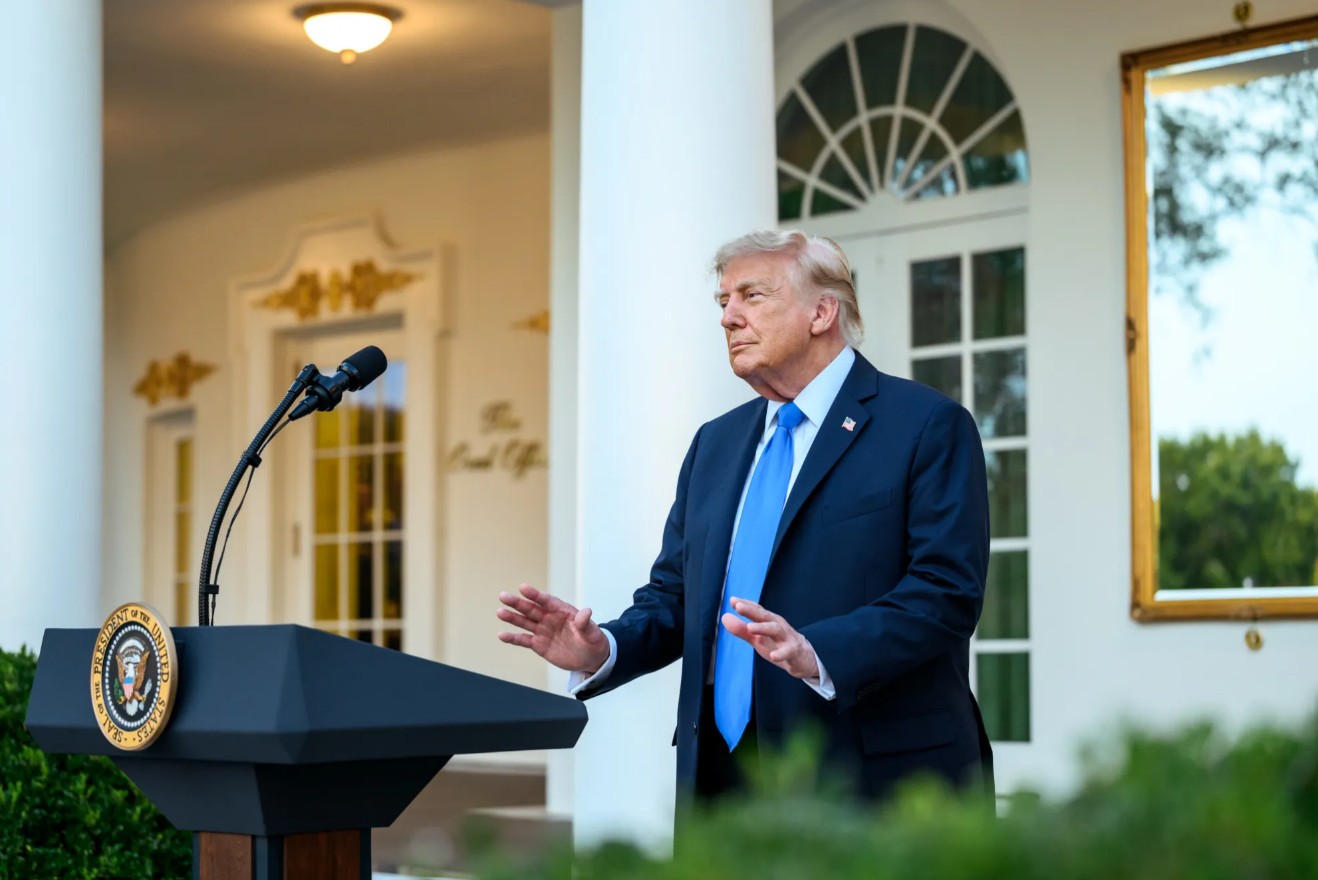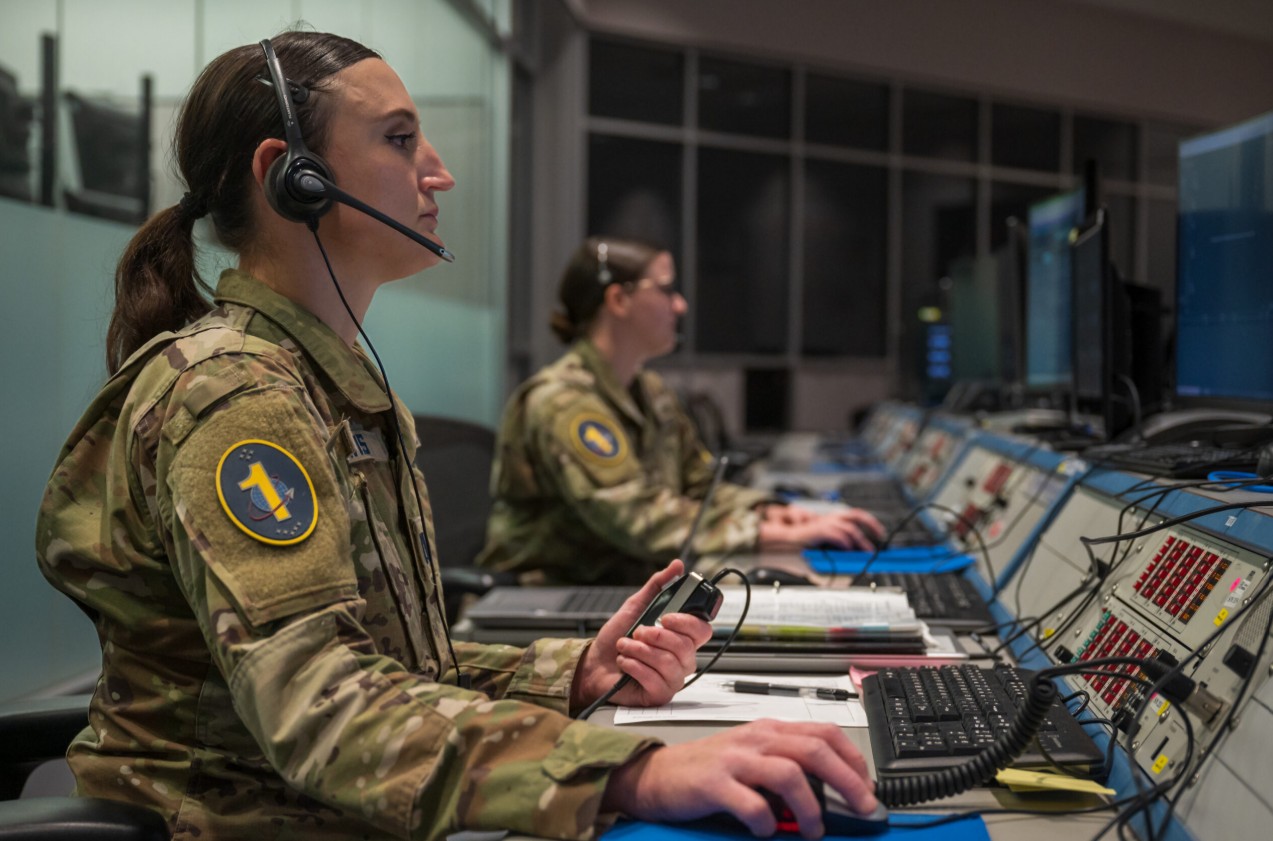
WASHINGTON (Realist English). On 14 September, US Air Force Secretary Troy Meink, at the Air, Space & Cyber conference in Maryland, stated that the United States possesses “space control weapons in orbit capable of protecting the joint force from hostile actions by adversaries.” This is Washington’s first official acknowledgment of having offensive capabilities in space.
What Exactly the US Acknowledged
Meink did not disclose the type, quantity, deployment date, or performance characteristics of the weapon. He stressed that the wording was “very carefully crafted” and that acknowledging the existence of the weapon is “important from a deterrence standpoint.”
A US Space Force representative explained that “space control” includes “kinetic and non-kinetic means to affect adversary capabilities through disruption, degradation, and even destruction, if necessary,” which may be used “for offensive and defensive purposes.”
Likely Nature of the Weapon: Non-Kinetic Means
Experts agree that it most likely refers to non-kinetic means, rather than the physical destruction of satellites.
Electronic warfare. Dr Bleddyn Bowen of the Royal United Services Institute (RUSI) suggested that the US may have meant “some kind of electronic warfare or radio-jamming system.” Alexander Yermakov, a research fellow at IMEMO RAS, also suggested that the US has deployed “means of electronic jamming against foreign satellites, possibly non-kinetic, non-destructive defeat means.”
Cyber effects. According to Space Force doctrinal documents, “space control” covers three areas: orbital warfare, electronic warfare, and cyber warfare. Cyber attacks on satellites and ground stations are an integral part of this arsenal.
Why not kinetic weapons. Experts stress that the US is “very wary of means that shatter satellites into pieces,” since debris could damage its own satellite constellation — the largest in the world and therefore statistically the most vulnerable. In 2008, the US destroyed the malfunctioning satellite USA-193, creating 174 tracked debris fragments. In 2022, Washington pledged not to conduct destructive anti-satellite tests.
What This Weapon Is For: Control, Deterrence, Protection of the “Golden Dome”
According to US Space Force doctrine, the goal of “space control” is to ensure freedom of action for US forces in space and to deny the adversary the same freedom. Specific tasks include:
- Protecting the joint force from hostile adversary actions in space;
- Deterring Russia and China, which, according to US assessments, are developing their own anti-satellite systems;
- Ensuring the operation of the “Golden Dome” system — a missile defence programme with space-based interceptors that the Trump administration promotes as a key element of national security.
Meink also reported progress in the Space-Based Interceptor (SBI) programme: it moved from “initial contract to flight prototype” in less than a year. The first satellites of the Space-Based AMTI constellation for tracking moving targets will be launched in September.
Reaction from Russia and China
China on 15 September urged the US to “stop expanding military capabilities and preparing for war in space,” stating its commitment to the peaceful use of space.
Russia condemned the deployment of weapons, saying Washington is “ready to completely ignore the catastrophic consequences of any armed conflict in orbit.” Russian Foreign Minister Sergey Lavrov said Moscow is “double-checking this situation.”
Risks: Arms Race and Space Debris
Experts warn that the US acknowledgment could trigger a “self-reinforcing cycle”: Russia and China are likely to accelerate the development of their own means in response. Executive Director of the Arms Control Association Daryl Kimball said these actions “threaten the safe operation of orbital systems on which countries around the world depend.”
The key problem is the legal vacuum. The 1967 Outer Space Treaty prohibits the placement of only weapons of mass destruction in orbit, but does not ban conventional weapons, electronic warfare, or cyber means.
It is precisely this gap that has allowed great powers to develop anti-satellite capabilities for decades. Meink’s acknowledgment marks the first case of a country openly confirming the presence of offensive weapons actually deployed in orbit.