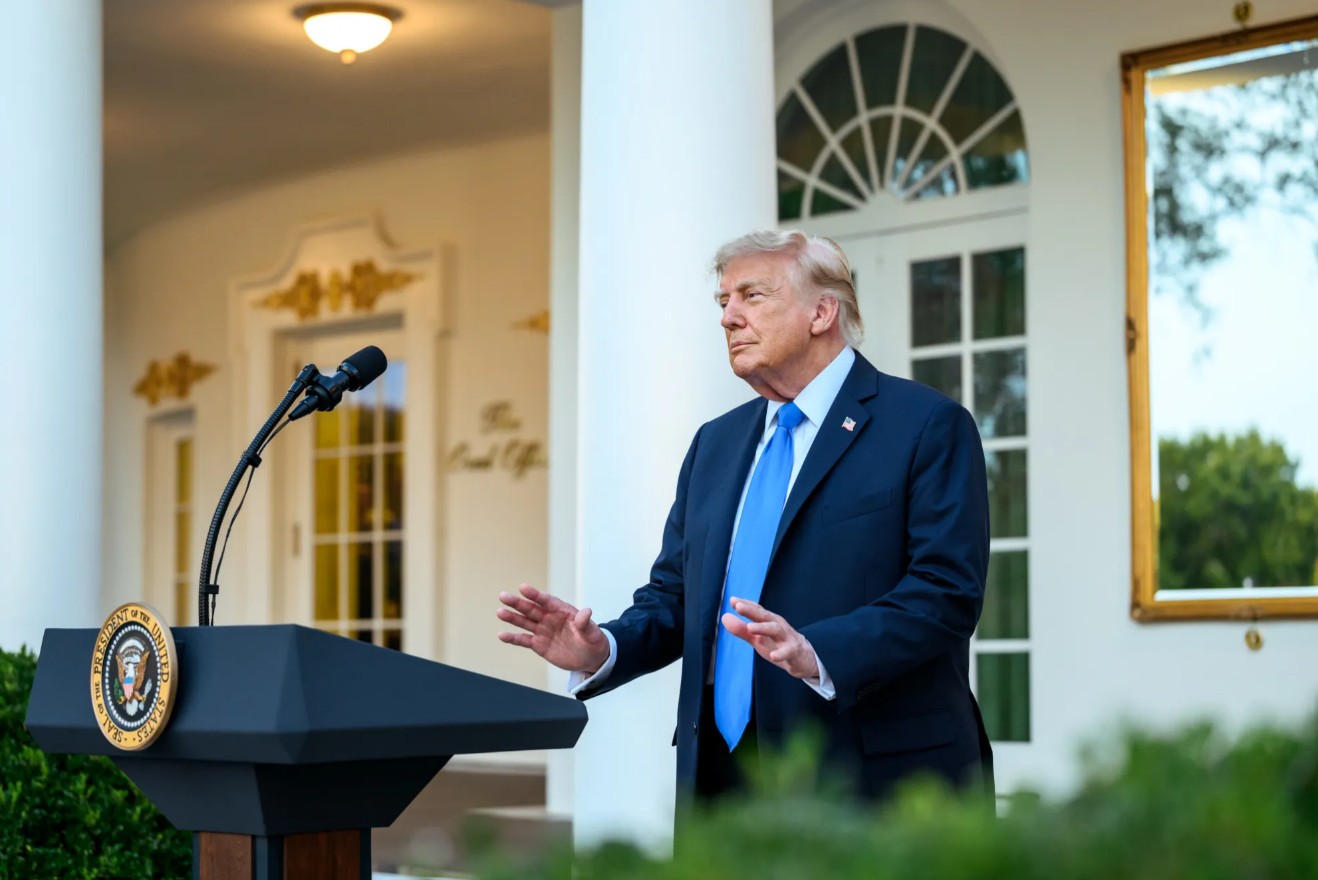
WASHINGTON (Realist English). On 18 September, US President Donald Trump announced on Truth Social that the United States had reached a security agreement with the Kingdom of Denmark and Greenland. Trump said the deal gives the US “permanent control” over Greenland’s security and “all other needs,” and that it comes “without a single cent of cost to the US.”
“From this moment on, no adversary of the United States shall have bases, military presence, or make sensitive investments in Greenland without our clear written approval,” Trump wrote. He called the agreement “open-ended — with no end point” and said the US would “immediately begin” the process of establishing a large-scale military presence in Greenland.
US Statement: Excluding Russia and China, Expanding Military Presence
A US State Department official, speaking on condition of anonymity, detailed the contents of the agreement: it guarantees that China and Russia will not be able to have bases in Greenland, will not be able to send troops to Greenland, and also provides mechanisms to prevent investment in sensitive areas.
According to the official, under the agreement the US has the right to unilaterally create additional military facilities without the approval of Greenland or Denmark, including “permanent access, basing, and overflight rights.”
Secretary of State Marco Rubio called it a “historic agreement” and a “huge victory for the United States and the American people.” “This agreement permanently and definitively resolves our national security problems in Greenland,” he said.
Trump claimed the agreement includes Greenland in the North American strategic defence zone, “excluding access by any adversary to the island and surrounding areas.”
Denmark’s Wording: Sovereignty Unchanged, Parliamentary Procedures Not Completed
Danish Prime Minister Mette Frederiksen described the agreement substantially differently. According to her, it “strengthens our common security in the Arctic and North Atlantic region, which is also beneficial for NATO and Europe,” while “recognising the sovereignty and territorial integrity of the Kingdom, as well as the right of the people of Greenland to self-determination.”
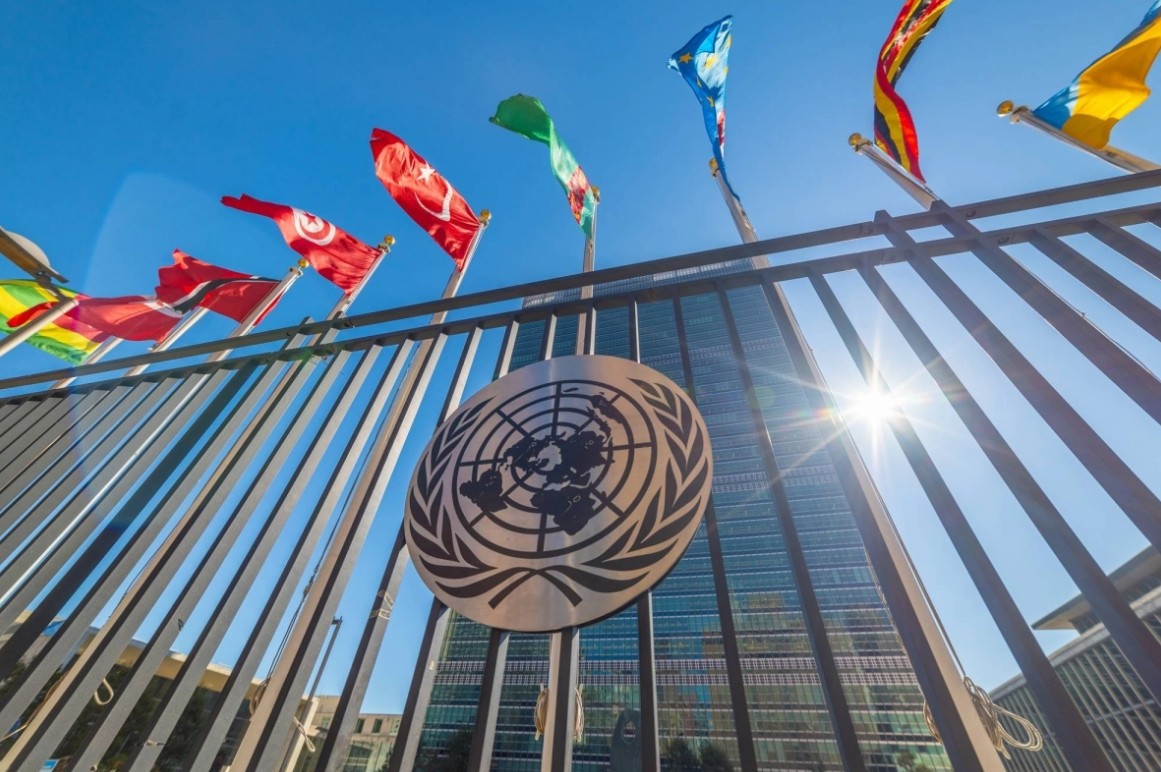
A statement from Frederiksen’s office notes that the agreement will be signed next week during the UN General Assembly, but that before entering into force it must pass parliamentary procedures in Denmark and Greenland.
Greenland’s Prime Minister Jens-Frederik Nielsen said the agreement “recognises Greenland’s interests and our place in international cooperation,” and that it is “beneficial for all of us.”
Agreement Details Vague: Difference from the 1951 Treaty Unclear
Despite Trump’s tough wording about “permanent control,” the full text of the agreement has not been published. The New York Times, citing two people close to the negotiations, reports that Trump’s statement about “permanent control” exaggerates the new powers the US will receive.
One US military official said American forces will “cooperate” with Danish and Greenlandic counterparts under the agreement, rather than exercising control over them.
BBC notes that it is still unclear how this agreement fundamentally differs from the 1951 US-Danish treaty. The 1951 treaty allowed the US to make extensive use of military facilities in Greenland without a time limit. An updated version in 2004 additionally allowed the US to send troops and military facilities, notifying Denmark and Greenland. The US currently operates Pituffik Space Base in northwestern Greenland, where more than 100 military personnel are stationed.
A US State Department official said the new agreement will remain in force even after Greenland potentially gains independence — this is one of the Trump administration’s goals: to guarantee that even in the event of Greenland’s independence, US military access will not change.
Background: From “Threat of Force” to “Diplomatic Solution”
The reaching of the agreement marks a turning point in tensions that lasted several months. Since returning to the White House in January 2025, Trump has repeatedly stated that the US needs “control” over Greenland, citing its strategic position and mineral resources, and refused to rule out the use of military force to seize the island.
Denmark and Greenland have repeatedly and clearly stated that the island “is not for sale”; mass demonstrations were held in Denmark under the slogan “Greenland is not for sale.”
In January, Trump at the Davos Forum reached a certain agreement with NATO Secretary General Mark Rutte on Greenland’s future, but its terms remained vague. After that, Denmark and the US began negotiations in February on a possible agreement to ensure Arctic security through joint action; NATO allies also increased their military presence in Greenland.
Imran Bayoumi, deputy director of the Scowcroft Center for Strategy and Security at the Atlantic Council, commented: “I think the Americans have really underestimated how much this will damage the US image in Europe. Greenlanders, Danes, Europeans perceive this as a real attack on their sovereignty, and a lot of work will be needed to restore relations.”