LONDON (Realist English). The global nuclear power industry stands on the brink of its biggest transformation since the oil crisis of the 1970s. However, for nuclear generation to truly become the “green locomotive” of the global energy transition, annual investment in the sector needs to almost double. This is the key finding of a new report published on 28 July by the World Nuclear Association (WNA).
“To meet the goals of the Paris Agreement and ensure energy security, we need to expand nuclear power capacity by two to three times by 2050. That means annual spending on new reactors, modernisation of existing plants, and fuel cycle development must reach $250 billion,” the document states.
According to the association, current investment levels stand at about $130–140 billion per year – clearly insufficient to trigger a “nuclear renaissance”. The funding gap is estimated at $100–120 billion annually.
Moving away from coal and gas: nuclear as baseload power
Against the backdrop of climate agendas and volatile fossil fuel prices, interest in nuclear energy is growing across all regions. China is building more than 20 new reactors, India is expanding its capacity, and European countries, including France and the UK, are revising their strategies in favour of extending the life of old nuclear plants and building new ones.
The WNA report emphasises that nuclear power is the only low‑carbon source capable of providing stable baseload power on a continental scale, making it indispensable when integrating intermittent renewables (solar and wind). Yet without massive investment, this potential risks going untapped.
$250 billion is not the ceiling: estimates suggest up to $300 billion
Association experts note that the $250 billion figure is a conservative scenario. In the case of an accelerated transition to carbon neutrality by 2050, needs could rise to **$300 billion** per year. The main investment priorities should be:
- construction of new Generation III+ and IV reactors (up to $180 billion per year);
- modernisation of existing nuclear plants to extend their service life to 80 years ($30–40 billion);
- development of a closed nuclear fuel cycle and next‑generation fuel production ($20–30 billion);
- creation of spent fuel reprocessing and radioactive waste management facilities ($10–15 billion).
Who pays: government or private capital?
The key question raised by the report is the source of funding. Today, more than 80% of all nuclear investments come from state budgets and state‑owned corporations (such as Rosatom, EDF, and CGN).
Private investors, according to the WNA, are deterred by high upfront costs, long payback periods (10–15 years), and regulatory risks.
To attract private capital, the association proposes:
- establishing international guarantee funds;
- introducing “contracts for difference” (CfD) mechanisms that fix electricity prices over the entire payback period;
- harmonising licensing requirements across countries to reduce bureaucratic barriers.
“We cannot rely solely on public money. Private investment must drive the nuclear revival, but that requires a predictable regulatory environment,” said WNA Director General Sama Bilbao y León in an interview with Reuters.
Global nuclear fleet: numbers and trends
According to WNA data as of mid‑2026:
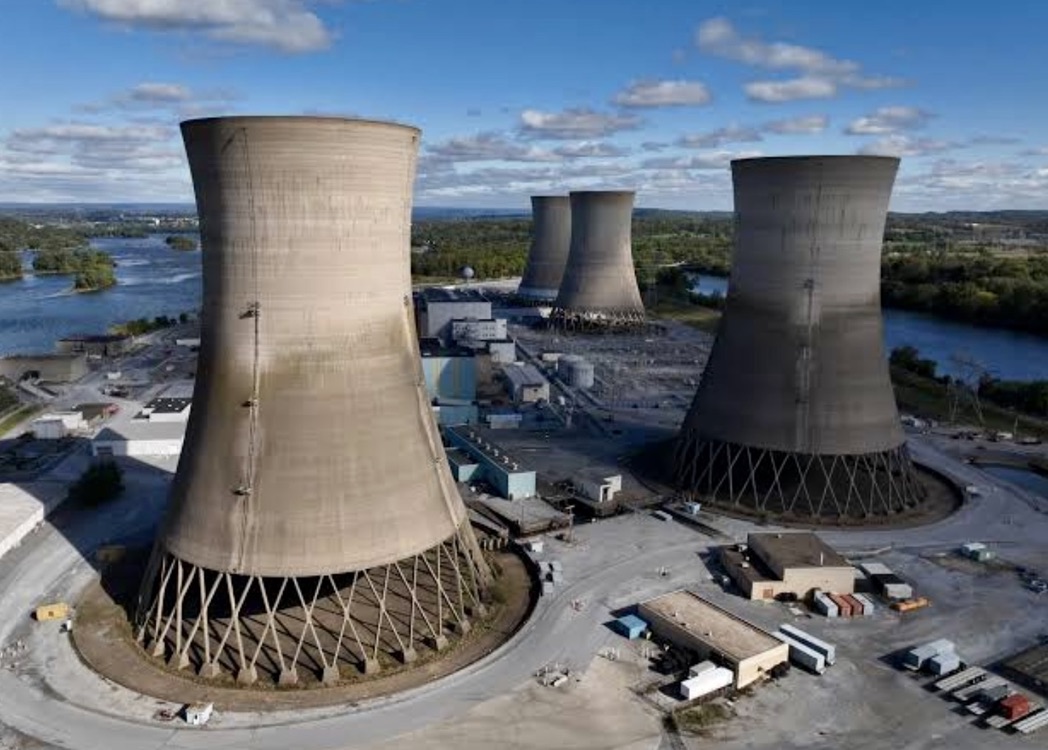
- 442 power reactors are in operation worldwide, with a total net capacity of about 394 GWe.
- 60 reactors are under construction (mainly in China, India, Russia, and the UAE), with a combined capacity of about 64 GWe.
- Over the past 5 years, 35 new units have been commissioned, while 19 have been shut down.
- The average age of operating nuclear plants is 31 years; more than 100 units are over 40 years old and require decisions on life extension or replacement.
To triple global capacity by 2050 (to 1,200 GWe), the industry would need to bring 30–40 new reactors online each year – three times the current construction rate.
Russia, China, and the US: who leads the race?
The report highlights three major forces in the global nuclear market:
- Russia (Rosatom) – a foreign order portfolio of 36 power units in 12 countries, a leader in exports and fast‑reactor technology.
- China – the fastest‑growing nuclear programme, with 26 reactors under construction and ambitious plans to increase the share of nuclear in its energy mix from 5% to 10% by 2035.
- United States – after a prolonged stagnation, the US is beginning to commission new small modular reactors (SMRs), but faces challenges in financing and supply chains.
A renewed interest is also noted in Europe: the UK is advancing the Sizewell C project, France has confirmed the construction of six new reactors, and Poland and the Czech Republic have signed contracts with American and South Korean suppliers.
Challenges: workforce, uranium, and supply chains
Beyond money, the industry faces three critical problems:
- Skills shortage – constructing and operating new units will require an additional 500,000 specialists over the next decade.
- Uranium supply – at current exploration rates, known uranium reserves may last only 60–70 years; investments in new deposits and recycling are needed.
- Supply chain bottlenecks – the production of large components (reactor pressure vessels, steam generators) is concentrated in a few countries, creating risks of disruption.
The WNA has called on governments and international financial institutions (IMF, World Bank, EBRD) to include nuclear power in “green” taxonomies and climate finance frameworks. In November 2026, a dedicated session on nuclear financing is expected at the COP30 climate conference in Brazil.
“Without $250 billion a year, we will not be able to replace retiring capacity and triple generation by mid‑century. This is not just a number – it is a matter of energy security and climate stability,” the report concludes.
The nuclear renaissance demands not only political will but also enormous financial commitment. Whether the world is ready to pay that price will become clear over the coming decade.