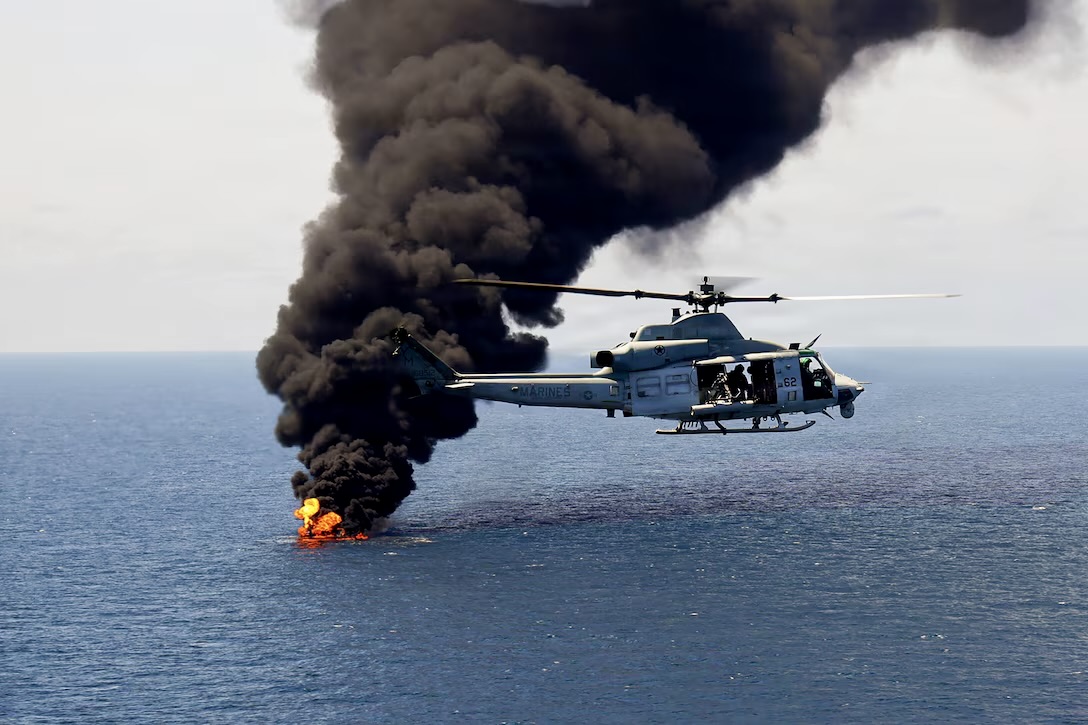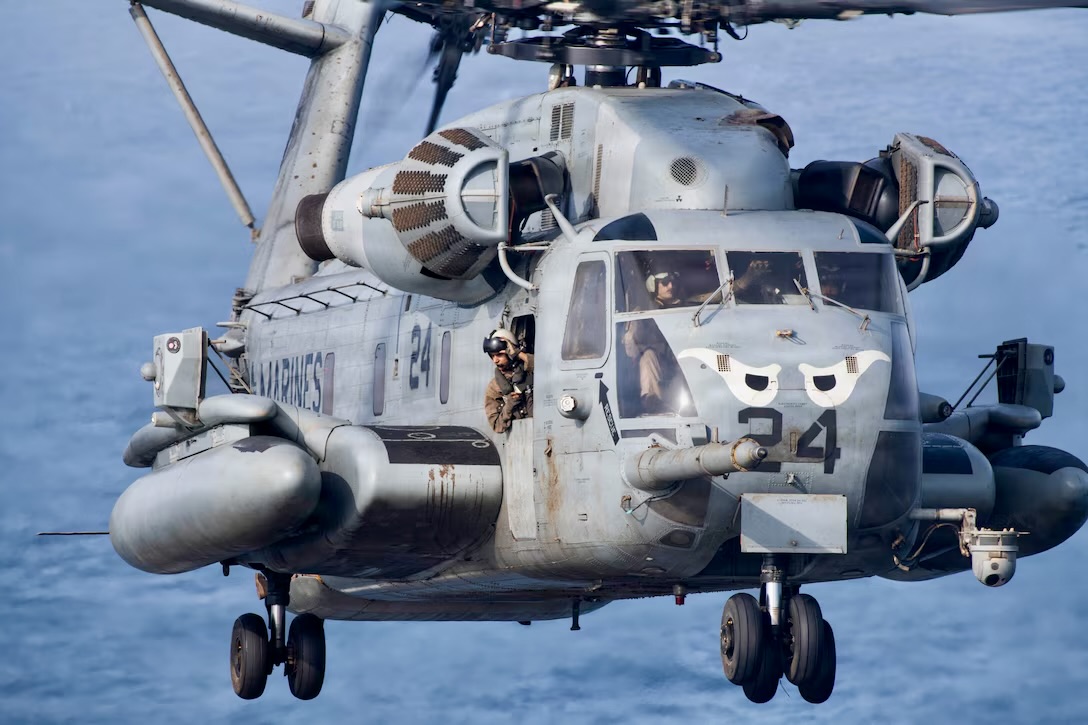
WASHINGTON (Realist English). The United States has approved a potential $800 million military sale to Iraq, clearing the way for the delivery of Bell helicopters, weapons and associated equipment to the Iraqi armed forces.
The package, announced by the Defence Security Cooperation Agency (DSCA), includes:
- Bell 412EPX helicopters (multi‑role utility helicopters)
- Advanced Precision Kill Weapon System II (APKWS II) guided rockets
- M240D and M240H machine guns
- AN/AVS-9 night vision goggles
- Spare parts, maintenance and logistical support
- Training and technical assistance
The State Department determined that the sale would not alter the regional military balance and would support Iraq’s “legitimate security and defensive needs.”
What the Sale Includes
| Item | Details |
| Helicopters | Bell 412EPX (multi‑role utility) |
| Guided weapons | APKWS II rockets |
| Machine guns | M240D and M240H |
| Night vision | AN/AVS-9 goggles |
| Support package | Spare parts, maintenance, training and technical assistance |
| Total value | Up to $800 million |
Why It Matters: Iraq Between Iran and the US
The deal comes at a critical moment for Iraq, which remains a strategic fault line in the Middle East. Baghdad has walked a delicate line between maintaining ties with Washington and managing relations with Tehran, which wields significant influence over Iraqi politics and security forces.
The new helicopters will supplement Iraq’s existing fleet of US‑origin aircraft, including the Bell 407 and the AH‑64 Apache attack helicopters already in service with the Iraqi Air Force. The sale reinforces Washington’s position as Baghdad’s primary arms supplier — a role that has been under pressure as Iraq seeks to diversify its defence partnerships amid regional instability.
Countering Drone Threats
US officials have emphasised that the APKWS II guided rockets included in the package are particularly relevant to Iraq’s current security challenges. The system, originally developed as a low‑cost precision‑strike weapon, has proven effective in countering drone swarms — a growing threat in the region.
Iraq has faced repeated attacks on its territory by Iranian‑backed militias using drones and rockets, particularly since the start of the US‑Iran war in February 2026. The helicopter deal is part of a broader effort to strengthen Iraq’s ability to protect its sovereignty and critical infrastructure.
Iraq’s Fragile Balance: Security, Sovereignty and US Arms
Iraq’s defence procurement has become a delicate balancing act. The country has sought to modernise its military while avoiding being drawn into the wider regional confrontation between Washington and Tehran.
Over the past year, Iraq has increasingly turned to US‑made systems as it modernises its armed forces. In July 2026, Iraq entered into a contract with the US to acquire additional F‑16 spare parts and maintenance services. Iraq already operates more than 150 US‑built vehicles, including the M1A1 Abrams tank.
At the same time, however, Iraq has deepened its cooperation with Turkey, signing a deal to acquire Bayraktar TB2 drones in December 2025. Ankara has also been training Iraqi troops at a military base in Baghdad’s northern outskirts.
A Deal That Deepens Dependence
The $800 million helicopter sale is a reminder that Iraq remains tethered to Washington for its most advanced military hardware. The deal will enhance Baghdad’s ability to conduct counter‑terrorism operations, border security missions and disaster response — but it also deepens Iraq’s dependence on US supply chains, maintenance and training.
Open questions remain. Will Iraq’s growing arsenal of US weapons embolden Baghdad to assert itself against Iranian‑backed militias on its territory? Or will it simply make Iraq a more prominent target in the event of a wider regional war? And how long will Washington continue to supply arms to a country where US interests and Iranian influence coexist in a volatile, unstable equilibrium?
For now, the deal moves forward — a reflection of the enduring (and costly) US commitment to Iraq’s security, even as the region edges closer to a wider conflict. The question is whether Baghdad will use these helicopters to assert its sovereignty — or simply to survive the turbulence that surrounds it.