WASHINGTON (Realist English). On September 24, Federal Judge for the District of Columbia Timothy Kelly issued a temporary restraining order, blocking the Trump administration’s ban on White House coverage for three news organizations — CNN, MS NOW, and Politico. The judge ruled that the ban “may be unconstitutional” and ordered the immediate restoration of the three outlets’ White House press passes.
In his ruling, Judge Kelly stated that the three media organizations meet the legal threshold for obtaining a temporary restraining order, including the likelihood of success on the merits and the likelihood of irreparable harm if the order is not issued. “This is a very high threshold, but the plaintiffs have met it,” Kelly wrote.
History of the Ban: From a Social Media Post to a Legal Duel
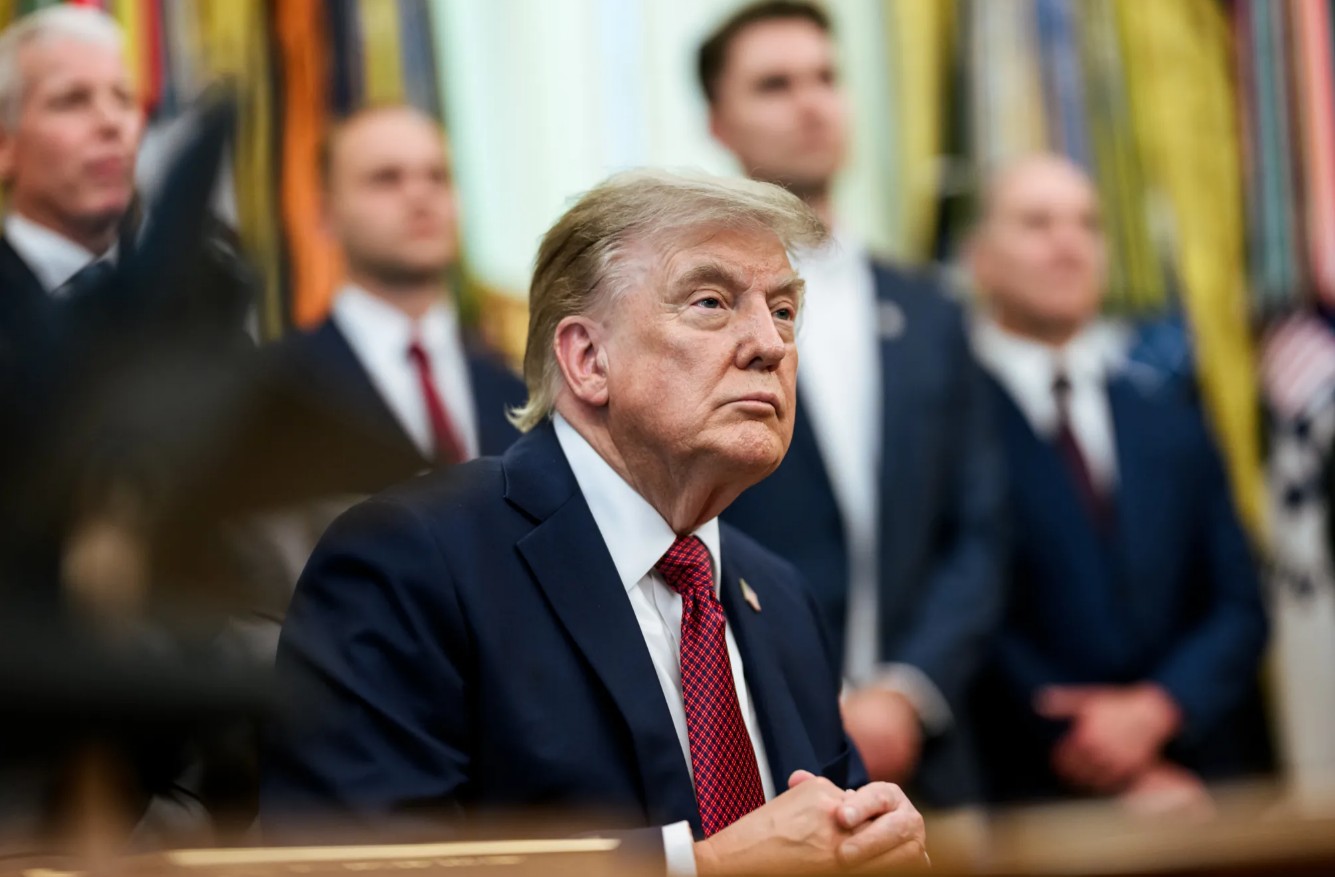
The conflict began on September 18, when Trump announced on the social network Truth Social a ban on CNN, MS NOW, and Politico from entering the White House, accusing them of “constantly writing or publishing fiction and lies.”
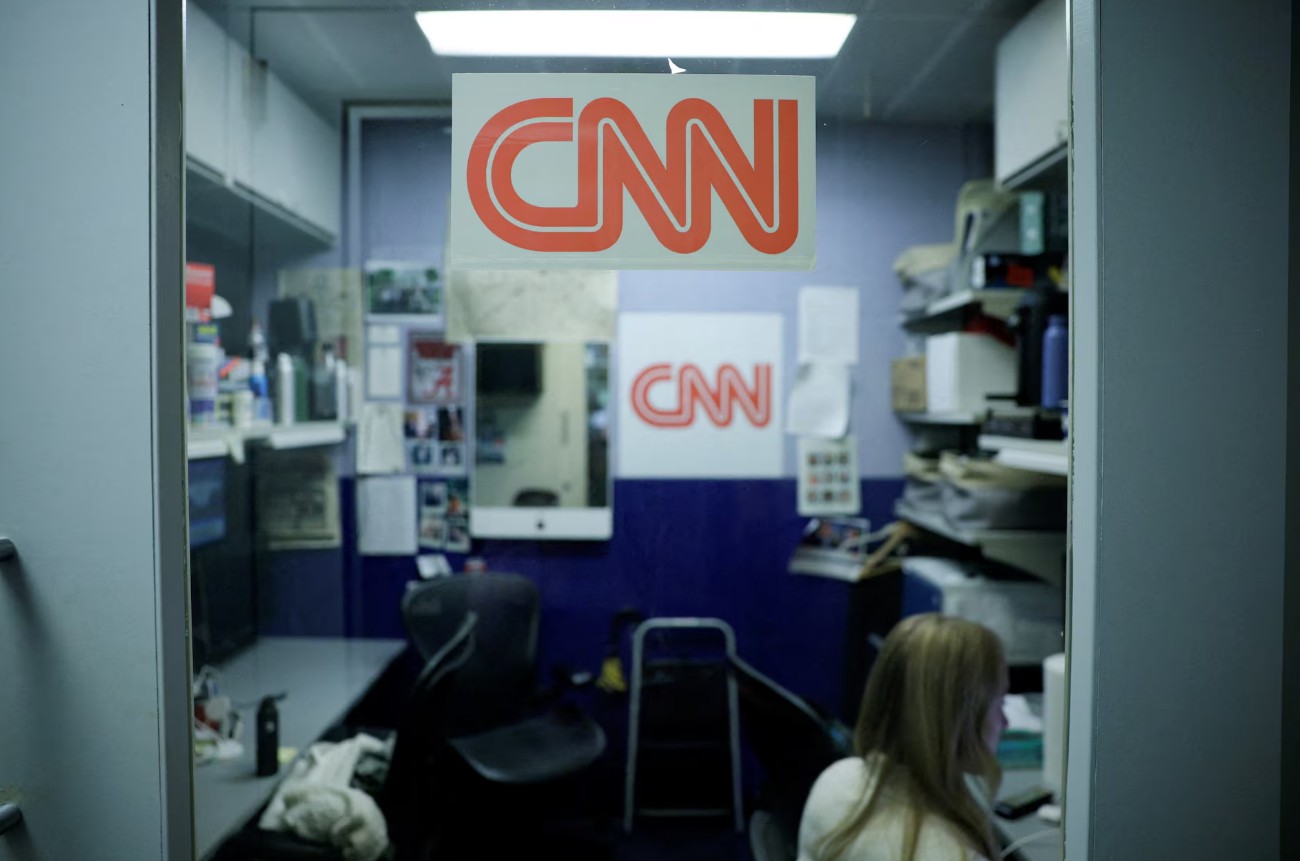
The next morning, September 19, the three media outlets’ White House correspondents — Betsy Klein of CNN, Akila Gardner of MS NOW, and Cheyenne Haslett of Politico — were stopped by the Secret Service while attempting to enter the White House, and their press passes were confiscated.
On September 21, the three media organizations filed a lawsuit in federal court in Washington against Trump and members of his administration, accusing the ban of violating the First Amendment to the US Constitution, which guarantees freedom of speech and the press, as well as the right to due process. In the lawsuit, the three media organizations stated: “This ban cannot represent a more direct attack on the First Amendment or a more flagrant violation of our most basic constitutional principles.”
Judge Rejects National Security Argument
The Trump administration attempted to justify the ban on national security grounds, but Judge Kelly unequivocally rejected this argument.
The judge noted: “The record lacks factual support for the defendants’ claims that revoking the plaintiffs’ passes will actually protect national security, or that restoring the passes during the litigation will jeopardize national security.”
Kelly specifically pointed out that Trump himself stated the ban was related to the “so-called lack of truthfulness and negative nature” of the three media organizations’ publications, which directly undermines the national security argument.
The judge also cited two precedents from the US Court of Appeals for the District of Columbia Circuit, which clearly establish journalists’ right to due process before a White House press pass is revoked.
Kelly noted that the White House appears not to have provided the three media organizations with a meaningful opportunity to challenge the deprivation of their coverage rights.
Collective Support from the Journalistic Community
The ban drew widespread support from the journalistic community. After Trump’s announcement, CNN was scheduled to serve in the White House television pool on September 21, but the White House prevented it from performing this function.
Subsequently, ABC, CBS, Fox News, and NBC issued a joint statement with CNN, announcing the suspension of participation in joint coverage of Trump’s activities by the White House television pool.
“The public has a vital interest in receiving accurate and independent information about its government. No government should restrict a news organization’s access because it disagrees with its publications,” the joint statement from the five networks said.
Photojournalists joined the show of support. Photographers from The New York Times, Associated Press, Agence France-Presse, Reuters, and Getty Images decided not to publish photographs from Trump’s events on September 21 until midnight that day.
The President of the White House Correspondents’ Association, Fox News journalist Jackie Heinrich, called for the immediate restoration of the three media organizations’ coverage rights, warning: “The standard applied to exclude one media organization because of the content of its publications may in the future be applied to any media organization.”
White House Response: Launch of “Trump TV”
Faced with a collective boycott by mainstream media, the White House launched its own streaming platform, “TRUMP TV: The Essentials Station,” on the evening of September 21, which broadcasts Trump’s speeches and events 24/7 on YouTube. The White House positioned it as a way to bypass “fake news” and communicate directly with the American public.
In its statement, the White House claimed that although the First Amendment protects the media’s right to publish, it “does not give them a permanent pass to the White House, a seat in the briefing room, or a position in the pool.”
The statement said: “No president is obligated to host hostile media on White House grounds. Access has always been a privilege, and President Trump is applying this rule.”
Trump himself continued to attack the press on Truth Social, calling “fake news a threat to democracy” and stating that he would “do everything possible to ensure America’s prosperity.”
Elections, Ratings, Consequences
This legal duel is taking place just weeks before the midterm elections on November 3, in which Trump’s Republican Party is trying to maintain control of Congress. Trump’s approval rating is at a historically low level due to the war with Iran and inflation.
Judge Kelly was appointed by Trump in 2017 and already ruled to restore White House coverage rights for CNN correspondent Jim Acosta in a similar case in 2018. Trump on social media called Kelly “totally disloyal” and stated that the government would “almost certainly appeal.”
The lawyer for the three media organizations, Theodore Boutrous, emphasized the urgency of the case at the hearings: “These are urgent matters. We are in a state of war. World leaders are coming to Washington.” He accused Trump’s ban of “viewpoint discrimination,” which directly violates the First Amendment.
Department of Justice lawyer Michael Velchik, in turn, argued that White House access is a “privilege, not a right,” and the president has the right to decide who is granted “privileged access.”
Judge Kelly’s temporary restraining order is effective for 14 days, during which the case will continue to be heard. This ruling is another chapter in the ongoing confrontation between Trump and the press, and its consequences may extend far beyond the three banned media organizations — as the White House Correspondents’ Association warned, the standard applied today to CNN may tomorrow be applied to any media organization.