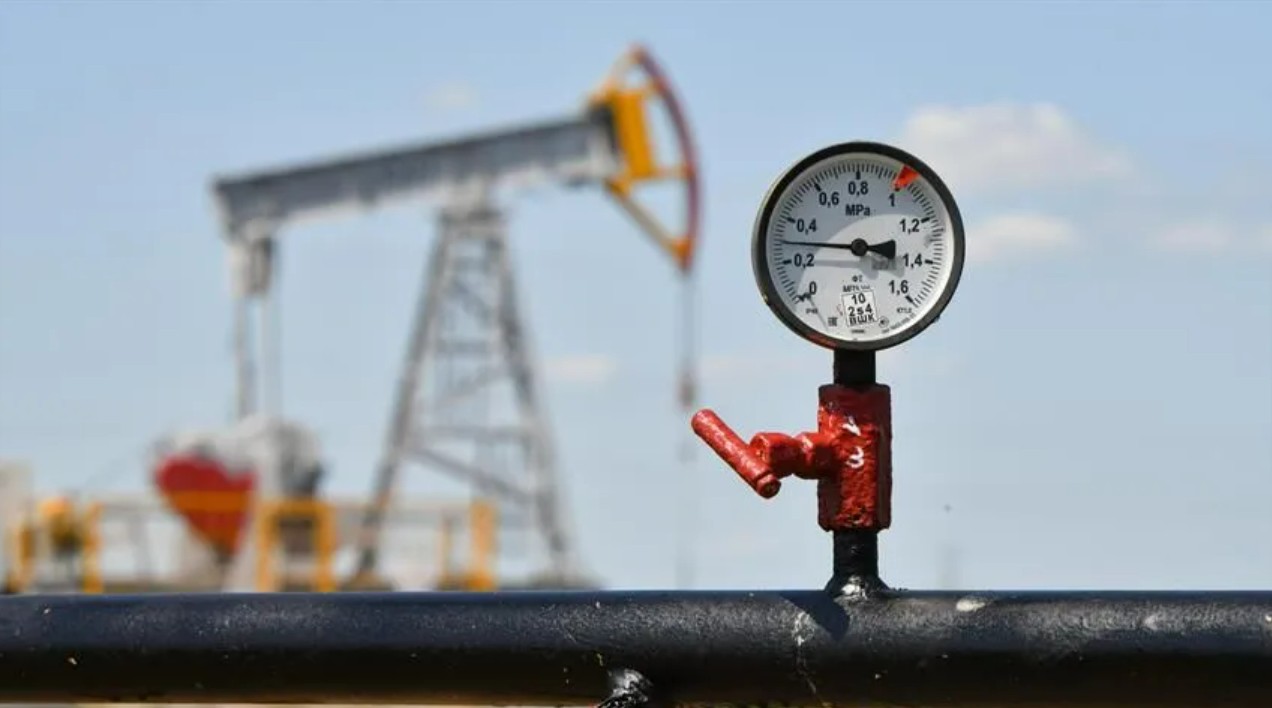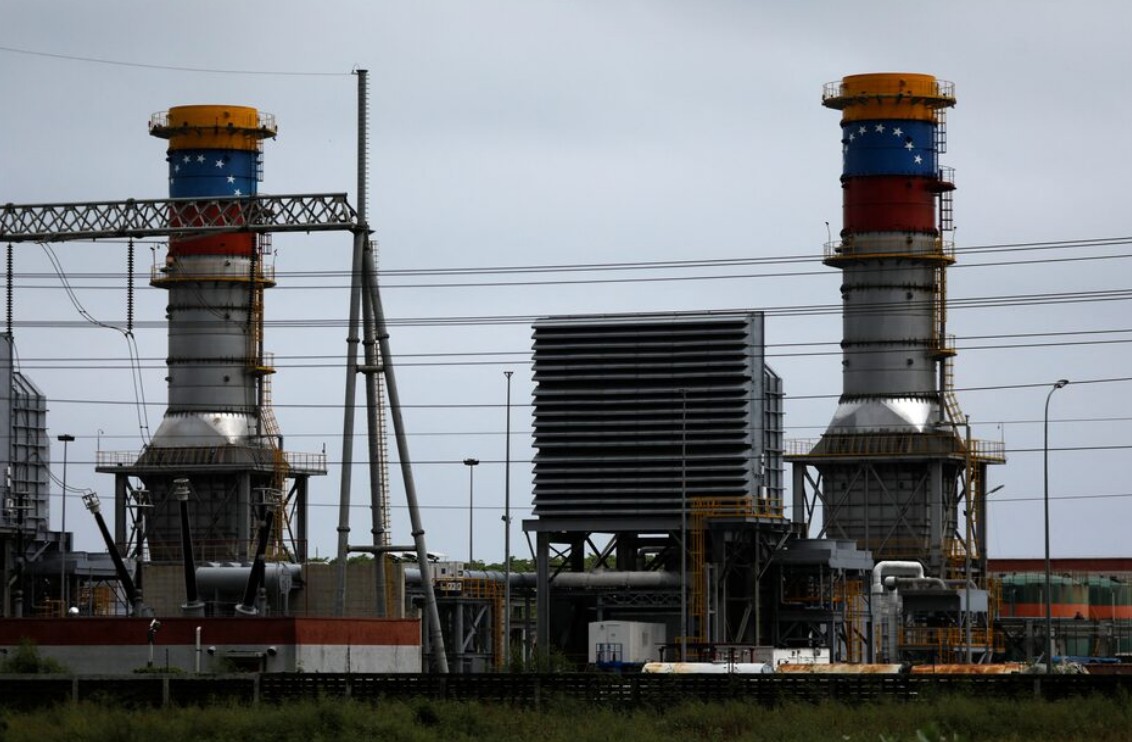
MENE GRANDE(Realist English). In this place where Venezuela’s oil industry was born, thick black oil seeps from cracks in the ground, and the air is saturated with the sharp smell of natural gas that makes visitors dizzy. More than a century ago, it was here that the oil boom that changed Venezuela erupted, and today the town has once again found itself at the center of investors’ attention.
The US Obtained 20% Rights
The US announced it obtained 20% rights to Venezuela’s vast oil reserves, including many local fields, giving rise to hopes for a revival. Trump called Washington’s investment in Venezuelan oil the “largest deal in history,” stating that Venezuelan oil would double US strategic reserves and ensure American energy dominance for a century to come.
According to the details of the agreement, Venezuela’s interim government granted North American Blue Energy Partners (NABEP) a 100-year concession to manage 17 fields with proven reserves of about 65 billion barrels.
In exchange, NABEP transferred 35% of the shares of its parent company to the Office of Strategic Capital (OSC) under the US Department of Defense. The US State Department also obtained the right to purchase 20% of production from all existing and future fields at cost, as well as a preferential right to purchase the remaining 80%.
The Gap Between Dream and Reality
However, these ambitions contrast sharply with the reality of Venezuela’s oil industry. Years of economic crisis, lack of investment, and political instability have emptied once-prosperous communities; many houses stand vacant due to mass emigration.
“We are rich because of this and we have many minerals, but we are also poor,” says 67-year-old pensioner Eladio Ramón Devides, standing by a house abandoned by a family that left Venezuela years ago.
The 27,000 residents remaining in Mene Grande face prolonged power outages and crumbling infrastructure. The nearby Sumaque-1 well, which began production in 1914, still operates at a steady rhythm. Today it yields only 20 barrels per day — after refining, that is enough to fill the tanks of just 20–30 cars.
Outages and Hardship
The hardships become especially evident after sunset. When the power goes out, entire neighborhoods plunge into suffocating darkness. Residents use portable lanterns, rechargeable lamps, and phone flashlights, while the heat persists well into the night. Occasionally, rare thunderstorms become the only source of light. Residents report outages lasting up to 17 hours.
In nearby Bachaquero, retired teacher José Gregorio Martínez has mixed feelings about the resumption of oil activity. The 65-year-old son of an oil worker lives in a housing complex built by the state oil company PDVSA during the industry’s heyday. Martínez remembers family gatherings that drew 30 relatives. Today, many of them live abroad. “I live in a house that was once full of people,” he says.
Chevron’s Investment Plan
Under the broader agreement, Chevron plans to invest more than $7 billion through its joint ventures in Venezuela, doubling production to about 600,000 barrels per day over five years. The new terms provide enhanced financial, commercial, and legal protection for investments; total production costs are expected to remain below $20 per barrel.
Chevron CEO Mike Wirth stated: “Chevron’s history in Venezuela spans more than a century, and our expanded presence reflects our confidence in the country’s deep resource potential and its ability to compete for investment in our portfolio for decades to come.”
Chevron has operated in Venezuela since 1923. Unlike ExxonMobil and ConocoPhillips, which left the country after the nationalization of assets in 2007, Chevron’s operations have never been interrupted.
Production Recovery and Export Growth
Venezuela’s oil production rose from 942,000 barrels per day in January 2026 to 1.203 million barrels per day in June — a 28% increase. PDVSA stated that this growth strengthened the recovery of the extractive sector and brought the country significant foreign currency revenues.
US imports of Venezuelan oil in the week ending July 24 reached a four-week average of 630,000 barrels per day — the highest since September 2017 and nearly six times more than at the end of January 2026. Columbia University energy expert Luisa Palacios notes that this trend indicates Venezuela is “reorienting” an increasing share of its oil exports to the US rather than to China, which was previously the largest importer.
Assessment
The US-Venezuela energy agreement represents a significant expansion of Washington’s geopolitical influence in Latin America. For oil towns like Mene Grande, the agreement has brought the greatest hope for revival in decades, but residents soberly assess the enormous gap between promises and reality.
As shop owner Siosbelis Saviedra says, three of her siblings have already emigrated, and she too is thinking of closing her small grocery store and leaving after them. “It’s all a nightmare. Electricity, water, gas — everything,” she says. “Prices are rising insanely every day.”