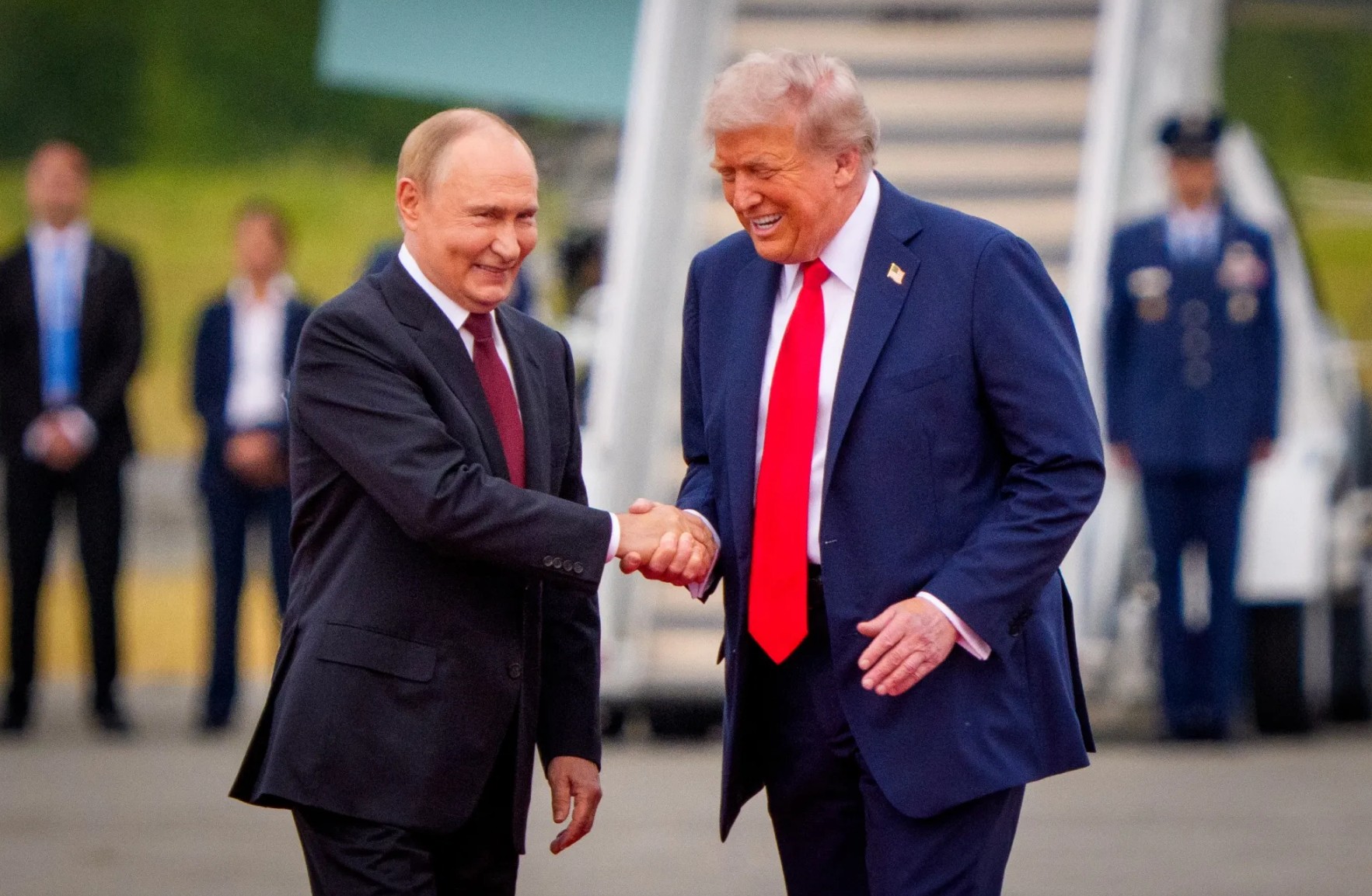
MOSCOW (Realist English). In an interview with Interfax, Alexander Gusarov noted that, despite the “unprecedentedly large array of restrictions” accumulated over the past 12 years by several US administrations, “even under such conditions there are separate, ‘point’ opportunities for bilateral alignment of efforts in the economic sphere.”
The diplomat stressed that Moscow “has never politicized” this topic, and that norms such as CAATSA and the “Lindsay Graham law” play the role of “anchors” with which “ill-wishers in the US hope to restrain the White House’s declared aspirations for comprehensive normalization.”
Which areas are being discussed
Despite the cautious wording, a number of specific areas have emerged in recent months where the parties see potential interest.
Energy and the Arctic. Deputy Prime Minister Alexander Novak said in late October that cooperation was possible in Arctic LNG projects and joint field development. According to the FT, Washington’s proposals include participation by Novatek in a gas project in Alaska, the resumption of Russian gas supplies to Europe via the surviving sections of the Nord Stream pipelines, and the return of American oil companies to production on Sakhalin.
Fertilizers and titanium. There is discussion of easing sanctions on potash fertilizers and their export through Baltic ports, as well as resuming cooperation in the production and supply of titanium.
Aviation. Among possible deals is the return of American airlines to Russian airspace, which would reduce fuel costs.
Assets and management. There are proposals for the sale of Lukoil’s foreign assets to investors linked to the White House, and for transferring management of the Zaporizhzhia Nuclear Power Plant to an American entity with electricity distribution between Ukraine and Russia.
Deals as an incentive and sanctions “anchors”
According to the Financial Times, Washington views economic deals as one of the incentives for ending the war against Ukraine, emphasizing that they are possible only after it ends. European diplomats, in turn, warn the US that they will not support easing sanctions before the conflict ends, and insist that decisions affecting EU interests cannot be made without the consent of European countries.
Gusarov himself pointed to a structural problem in the interview: even with the political will of the White House, the implementation of “point” opportunities runs into legislative restrictions that “restrain the declared aspirations” for normalization. This means that economic cooperation will develop not as a broad front but as a set of point, legally and politically conditioned cases.
The Russian Foreign Ministry’s statement captures an important shift: Moscow publicly acknowledges the existence of “point” opportunities without trying to present them as a breakthrough or broad normalization. This is a pragmatic position reflecting reality — the sanctions framework remains rigid, and Washington’s European allies are blocking any easing until the war ends.
The specific areas — the Arctic, LNG, fertilizers, titanium, aviation — point to spheres where US and Russian interests objectively overlap, but their implementation depends not only on bilateral will but also on EU consent and the ability to bypass legislative “anchors.” The key question is whether these “point” cases will become pilot projects paving the way for broader interaction, or will remain symbolic gestures that do not change the overall picture of sanctions confrontation.