BRUSSELS (Realist English) . The European Union states that, despite “historically low” gas stocks, supplies will be ensured this winter. However, operators warn: if LNG imports prove insufficient, stocks could fall below 30% by the end of the season.
Current state of stocks: 72%
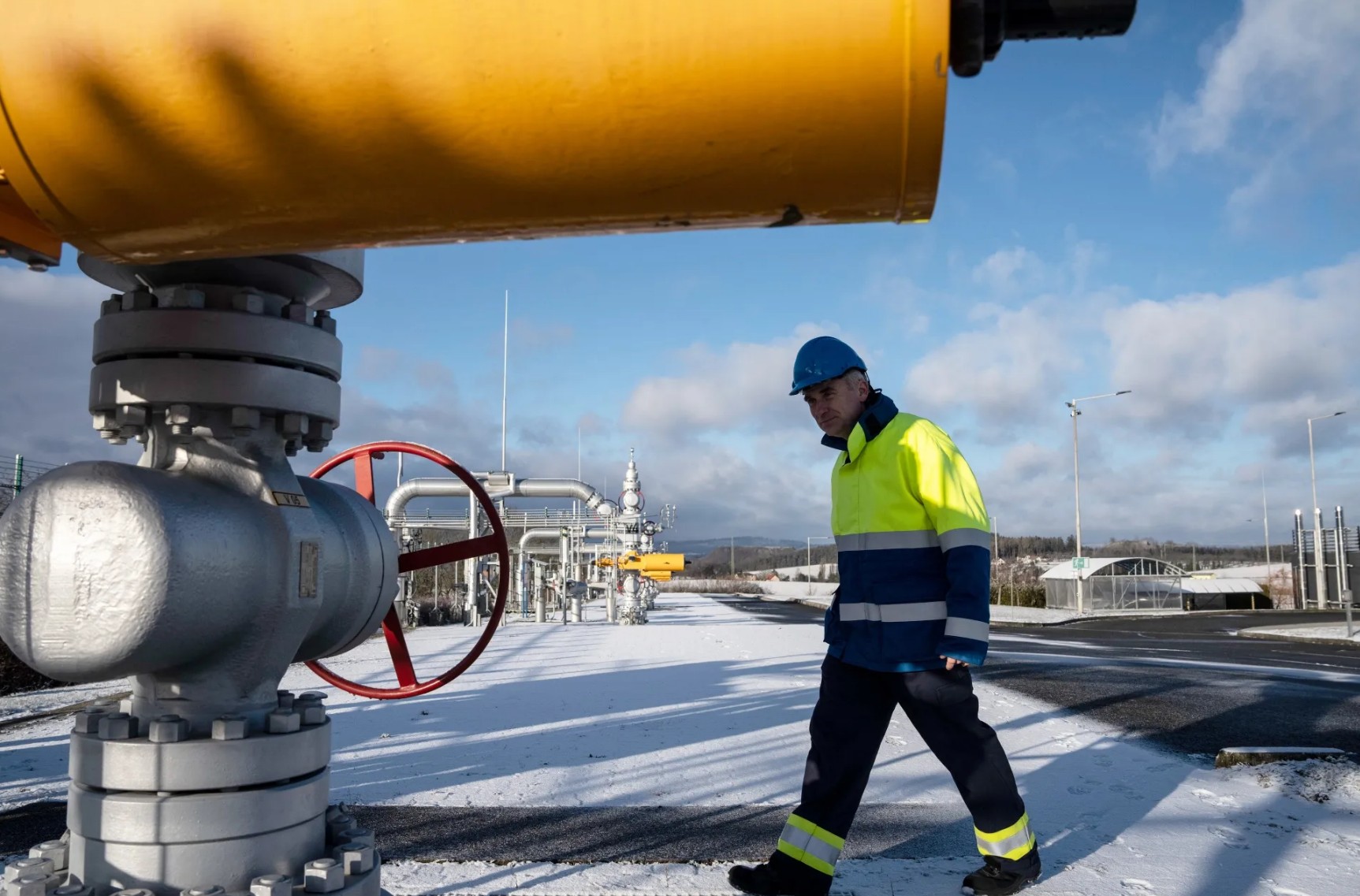
According to the winter outlook of the European Network of Transmission System Operators for Gas (ENTSOG), as of October 1, the average fullness of EU underground gas storage facilities was 72%. This level is described as “historically low.” It is noticeably below the usual EU target of 90% before winter.
Differences between countries are extremely significant. In France, storage fullness is about 85%. In Germany — only 59%. The Netherlands is also at a low level. Germany and the Netherlands together hold about 35% of the EU’s storage capacity. Their lag has a significant impact on the overall buffer potential.
Gazprom head Alexei Miller also confirmed this in early October. According to him, European underground storage facilities are at a “historically minimal level.” The active gas volume is 11.3 billion cubic meters lower than a year earlier.
Why winter will still be manageable
ENTSOG’s key conclusion is: European gas infrastructure still possesses sufficient flexibility to meet demand. The logic is that the EU’s significantly expanded LNG receiving capacity in recent years can partially compensate for the storage deficit.
Currently, LNG provides about half of all gas imports to the EU. This makes the European Union the world’s largest LNG importer. ENTSOG calls for maintaining high levels of LNG supplies throughout the winter.
Real risk: if LNG is insufficient
ENTSOG directly warns: if LNG supplies prove limited, by the end of winter the storage level could be significantly below 30%. This would seriously weaken the system’s ability to withstand cold at the end of the season.
Regional differences compound this risk. Countries in Central and South-Eastern Europe, which lack direct access to seaborne LNG terminals, face greater difficulties in obtaining alternative gas sources when the LNG market is tight. The European Gas Infrastructure Association (GIE) previously also noted: LNG imports and withdrawal from underground storage are complementary. “Weakening one of these pillars directly reduces the resilience of the entire system,” the statement said.
Prices and political pressure
Low stocks combined with disruptions to global energy supplies from the Middle East conflict have already led to a sharp rise in gas prices in Europe. The benchmark TTF price in September was about 81 euros per MWh. This is approximately 150% higher than a year earlier. Morgan Stanley forecasts that, depending on weather, the price could rise to 100 euros per MWh.
This pressure has already moved into the political sphere. The Alternative for Germany (AfD) party in recent state elections campaigned on “returning cheap Russian gas.” This has created additional pressure on Chancellor Merz’s government. EU Energy Commissioner Jorgensen admitted: “This year we have already overpaid more than 100 billion euros for energy, without receiving a single additional molecule of gas or oil.”
Background: why stocks are so low
The root of the current low stocks lies in last winter’s consumption. On March 31, 2026, when the heating season ended, EU storage fullness was only 28%. This is the lowest level since 2022. After that, replenishment was slow. Partly because the spread between summer and winter prices turned out to be too narrow or even negative. This undermined traders’ economic incentives for early gas injection. The Middle East war, which raised prices and disrupted LNG supplies, further slowed the pace of replenishment.
The European Commission has already lowered the target storage fullness for this year from 90% to 80%. The goal is to ease price pressure and avoid panic buying. But even the 80% target is not guaranteed under current conditions.