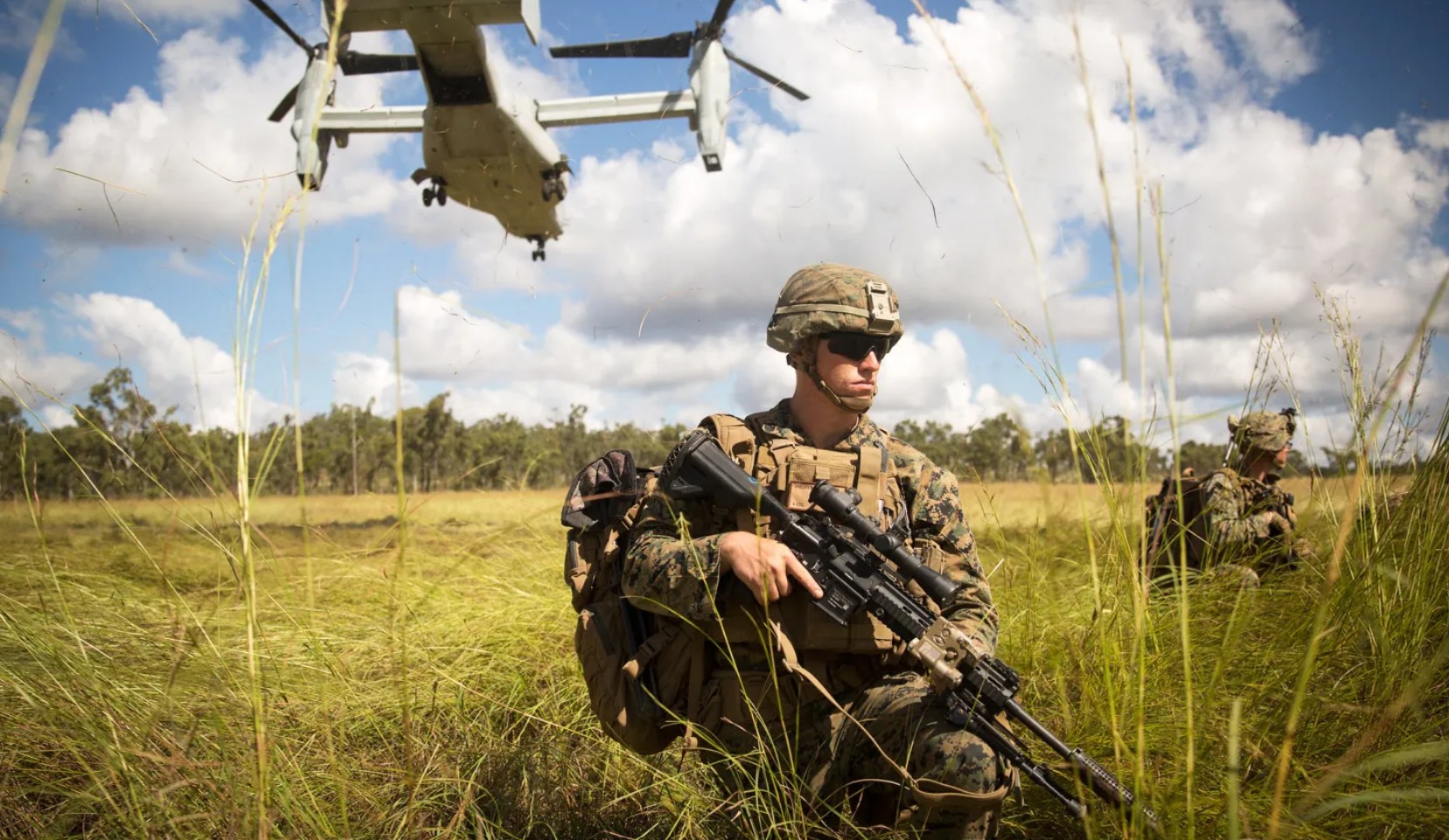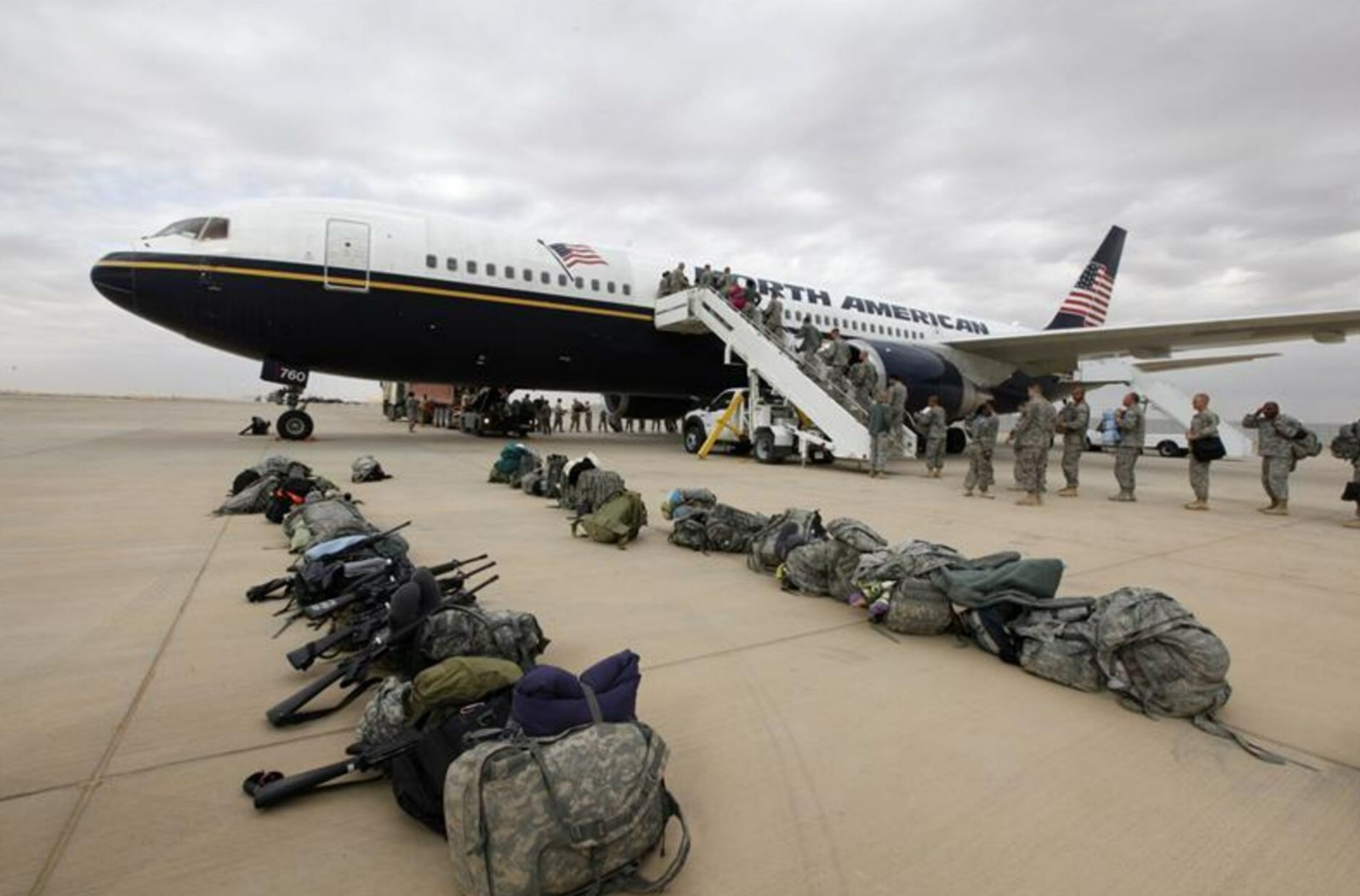
BAGHDAD (Realist English). The US and Iraq reached an agreement on troop withdrawal in 2024, which was planned to be completed in stages. According to the Pentagon, about 2,500 American service members were stationed in Iraq before the withdrawal, deployed mainly at three locations: Erbil in Kurdistan, a base near Baghdad airport, and the “Green Zone” in Baghdad’s government district.
In January 2026, American troops had already left the western Ain al-Asad Airbase. By the end of September, the last service members had left the remaining bases, and the Iraqi government announced that “all combat units and logistics support units have left the country.”
Reaction of Iran and Its Allies
Deputy Chairman of the Iranian Parliament’s National Security and Foreign Policy Committee Amir Hayat Mukadam stated that “lasting security will be achieved in Iraq,” and Iran “welcomes and will undoubtedly support” the withdrawal of American troops.
The commander of the Iraqi armed group “Islamic Resistance in Iraq,” Abu Mujtaba al-Yasiri, called the withdrawal a “historic victory of the Islamic Resistance in Iraq and glorious Iraqis, a crushing failure of the American project.” He announced that September 30 would be celebrated as the day “the dark page of Iraqi history is turned.”
Concerns Within Iraq
Despite the withdrawal being widely popular among Iraqis, many officials and tribal leaders fear that Iraqi security forces are not yet fully ready to bear responsibility for security independently.
Sunni tribal leader from Fallujah Abdulrahman al-Zobaie stated: “All Iraqis strive for full sovereignty, but leaving in this manner and creating a vacuum is what all Iraqis fear.”
The threat from the “Islamic State” is the central problem. Kurdish commander Silvan Barzani noted that over the past two-plus weeks there has been an increase in the activity of IS sleeper cells, “which, in my view, has raised their morale.”
Former MP Maki al-Alusi warned that the withdrawal of American troops could bring a “serious security threat,” especially given that IS is still present in the Hamrin Mountains, the Kirkuk area, Tal Afar, and around Mosul.
Prime Minister of the Kurdistan Region Masrur Barzani called the withdrawal “shameful,” stating: “The threat is real — we are vulnerable, we are under attack.”
Militias After the US
After the withdrawal, the key question becomes the disarmament of Iranian-backed armed formations. Iraqi Prime Minister Ali al-Zaidi previously announced the postponement of measures to disarm and integrate these forces into national security structures until June 2027.
At least three Iranian-backed armed organizations — “Kataib Hezbollah,” “Asaib Ahl al-Haq,” and the “Sayyid al-Shuhada Brigades” — refused to disarm, stating they would lay down their weapons only after Iraq achieves “full sovereignty.”
Prime Minister’s spokesperson Sabah al-Numan stated that “dialogue” with these structures has been open “for some time,” and ruled out the use of force to compel compliance.
Regional Consequences
The withdrawal is taking place against the backdrop of ongoing confrontation between Washington and Tehran over the war with Iran. Since February 2026, Iranian-backed Iraqi armed groups have carried out hundreds of attacks on American troops and facilities in the Kurdistan Region, and this month attacked a major Saudi oil pipeline.
The Iraqi government stated in its announcement that its armed forces are capable of ensuring national security, and future cooperation with the US will focus on training, weapons procurement, and joint exercises.