BEIJING (Realist English). Chinese military strategists are openly talking about artificial intelligence as the main weapon of future wars.
Publications in the country’s leading military-theoretical journal, China Military Science, have provided a rare glimpse into the thinking of the PLA — and it is focused on one thing: victory at any cost, but with maximum speed.
“Battle Brain” Instead of Man: Chinese Generals Rewrite the Rules of War
Major General Zhu Xiaoqian, in the latest issue of China Military Science, outlined a vision of how AI should be integrated into military operations. According to him, to achieve advanced combat capabilities, the PLA must collect vast amounts of battlefield data and use it for real‑time situational mapping.
This idea is part of a broader concept of “intelligentization” — the third stage of China’s military transformation, following mechanisation and informatisation.
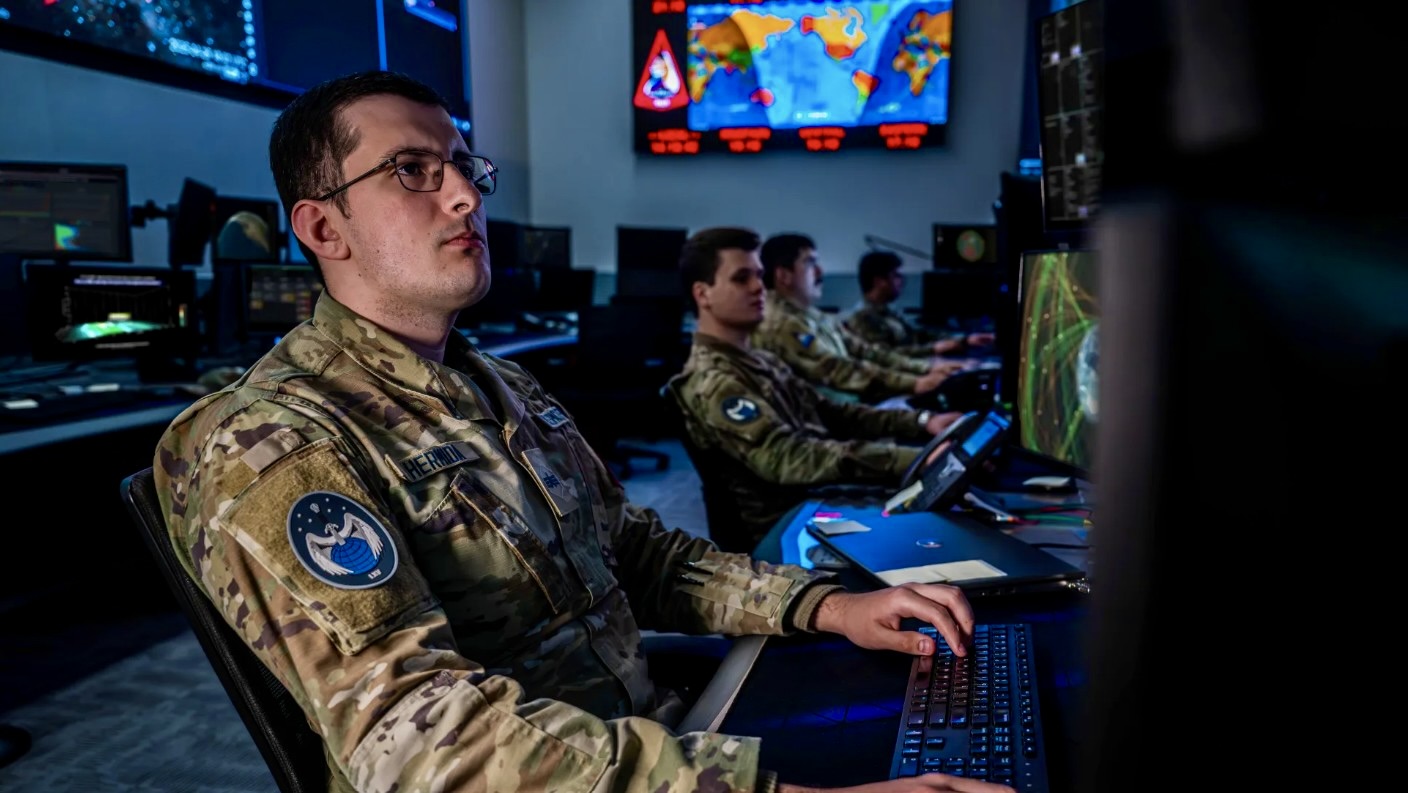
As Chinese strategists note, “intelligentisation” means using AI-driven technologies to accelerate battlefield decision-making, improve command and control systems, and provide commanders with more complete situational awareness. The ultimate goal is “decision‑making dominance” : the ability to process information faster and act more effectively than any potential adversary.
From Theory to Practice: AI Already Planning PLA Strikes
Theoretical frameworks are already taking material form. As The Diplomat reports, the PLA Air Force is using an AI system to plan large‑scale strike operations.
The system, first shown in a CCTV documentary in August 2026, is capable of prioritising among hundreds of targets, coordinating dozens of formations, and distributing tasks among more than 100 tactical units.
According to Chinese state television, the system has already been used in real missions. Its key function is to compress hours of complex campaign planning into minutes.
Officially, the AI remains a support tool: final decisions rest with commanders. However, as analysts note, the system’s ability to compress hours into minutes risks reducing the human role to mere formal approval.
| Technology Area | Description |
| Autonomous target recognition | Automatic identification of objects on the battlefield |
| Decision‑support systems | Real‑time situational analysis |
| Drone swarms and “robot dogs” | Autonomous groups operating in coordinated packs |
| Anti‑submarine warfare | AI‑based detection of US submarines |
Technology Base: The Silent Arms Race
Chinese military thinkers are actively researching specific technology areas. According to open sources and patents, the PLA is developing:
- Autonomous target recognition
- Real‑time battlefield decision‑support systems
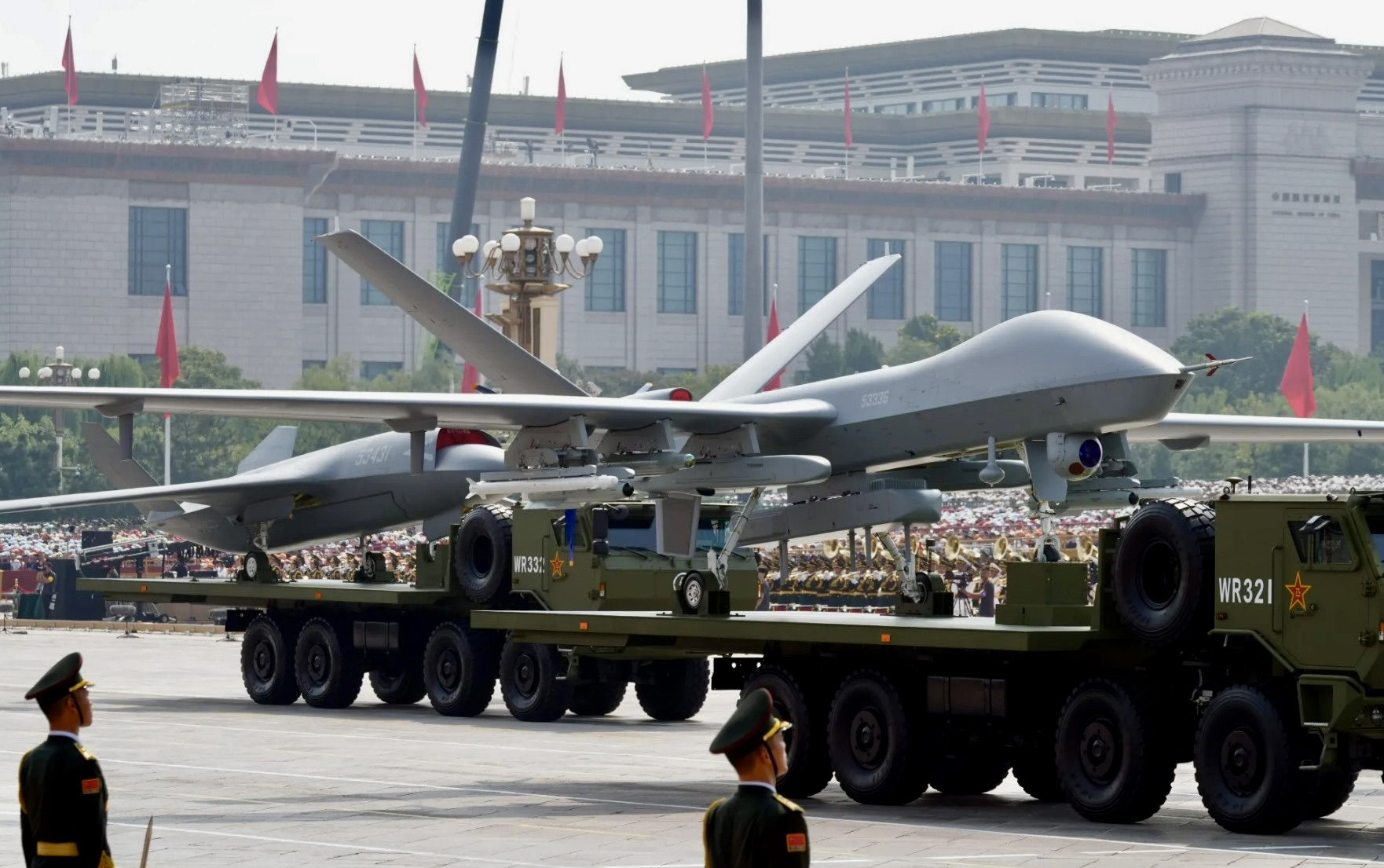
- Robotic systems, including “robot dogs” operating in packs and drone swarms that autonomously track targets
- Combat robots that mimic soldier movements in real time
Of particular interest is the use of AI to counter American military advantages, especially in the maritime and space domains. The PLA is actively seeking technologies to detect US submarines and enhance situational awareness in the maritime domain.
Diplomatic Cover: Beijing Talks Regulation While Building Capability
Behind the publications of military theorists lies a clear geopolitical goal: to catch up with and surpass the United States in the military application of AI. RAND analysts, who reviewed more than 100 articles in 16 academic journals associated with the PLA, note that the military plans to use AI to strengthen “kill chains” across four areas.
At the same time, Chinese military leaders acknowledge a serious challenge: the PLA’s lack of combat experience (its last war being the brief conflict with Vietnam in 1979). AI systems, they believe, should compensate for this gap. As researchers note, “virtually no one in the PLA has combat experience.”
Notably, China simultaneously advocates for global regulation of military AI. On international platforms, Beijing insists on principles of “human primacy” and “human control” over weapons systems.
In documents submitted to the UN, China states that it will not participate in an AI arms race. However, this does not prevent the PLA from actively building its military AI potential — creating a gap between diplomatic rhetoric and operational reality.
The Intelligence Gap: Can China Catch the US in Military AI?
The publications of Chinese military theorists are not merely academic exercises — they are strategic signals. They outline the contours of a new military doctrine in which AI becomes not an auxiliary tool but the core of the command system.
The concept of “decision‑making dominance” means that future wars will be won not by the number of tanks or aircraft, but by the speed of information processing.
Remarkably, China, while simultaneously advocating for global regulation of military AI, is actively building its own capabilities. This creates a classic dilemma: a country that demands restrictions for others reserves room for itself to manoeuvre. The question is how sustainable this balance will be when technological progress makes autonomous systems more reliable than human decisions.
Open questions remain: can China overcome the technological gap with the United States in advanced chips and computing power, given Washington’s export restrictions?
And will the drive to automate decision‑making lead to unintended escalation in crisis situations, when algorithms work faster than diplomacy?
The answers to these questions will determine not only the balance of power in the Asia‑Pacific region, but also the very nature of future conflicts — whether they will be fought by men or machines.