YEREVAN (Realist English). The Central Election Commission of Armenia continues to process ballots following the parliamentary elections held on June 7.
As of June 8, after counting 50% of the votes, Prime Minister Nikol Pashinyan’s Civil Contract party remains in the lead with 51% of the vote. Opposition forces, for their part, refuse to recognize the election results and allege widespread fraud.
Meanwhile, a number of foreign leaders have already congratulated Pashinyan on his victory.
Official CEC Results: A Fragile Majority for the Ruling Party
As the data comes in, the ruling party’s preliminary lead is gradually shrinking but remains sufficient to form a government on its own.
- Counting dynamics. When 10% of ballots were counted, Civil Contract had 54.64%. After 40% were counted, the figure dropped to 51.71%, and after 50% of the ballots were processed, the party stands at 51%.
- Vote distribution. According to the CEC, based on 1,354 polling stations (864,643 voters), the breakdown is as follows:
| Political Force | Votes | Share |
| Civil Contract | 434,562 | 50.83% |
| Strong Armenia bloc | 201,006 | 23.51% |
| Armenia bloc | 80,937 | 9.47% |
| Prosperous Armenia | 35,074 | 4.10% |
| Other parties | — | below 4% |
As the table shows, the remaining 15 political forces failed to cross the electoral threshold (4% for parties and 8–10% for blocs), and their votes will be redistributed among the leaders. Civil Contract received its highest support in Syunik (55.36%), Vayots Dzor (54.15%), and Tavush (53.27%). In Yerevan, turnout was 48.52%.
- Record turnout. A total of 1,476,597 people voted out of more than 2.5 million eligible voters, for a turnout of 58.97% — almost 10 percentage points higher than in the 2021 elections.
Allegations of Fraud
Opposition blocs categorically reject the conduct and preliminary results of the vote.
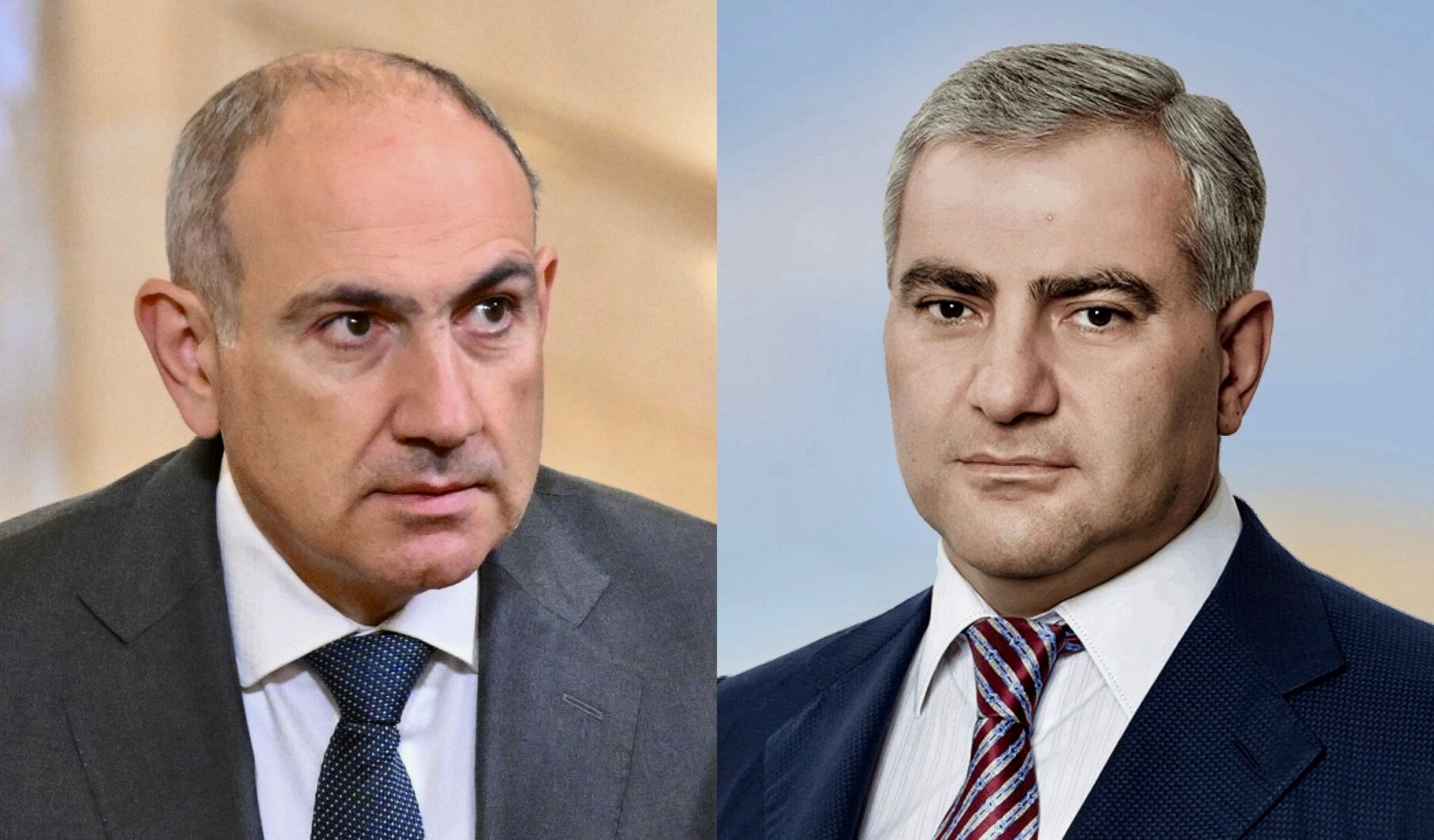
- Criticism from leaders. Samvel Karapetyan, leader of the Strong Armenia bloc, claimed that in Yerevan and other major cities, “election commissions linked to the ruling party have stopped counting votes.” Ishkhan Saghatelyan, a representative of the Armenia bloc, accused the authorities of using “electoral carousels” and intimidating citizens.
- Mass arrests. According to opposition forces, law enforcement detained hundreds of their members and supporters on election day. Karapetyan said that more than 100 people linked to the opposition had been detained in the days leading up to the election. The businessman himself is under house arrest, and on the eve of the vote two precinct election commission chairs and one opposition campaign chief were also detained.
- Accusations against Pashinyan. Opposition leaders called the prime minister’s premature declaration of victory (based on 10% of counted votes) “unconstitutional” and an attempt to pressure the CEC.
International Reactions
Despite the criticism, several foreign leaders were quick to congratulate the prime minister on his party’s success:
- Kazakhstan. President Kassym-Jomart Tokayev sent a telegram to Pashinyan expressing confidence in continued active cooperation and wishing him further success. The Kazakh side also noted that the elections were held openly and in accordance with the law.
- Georgia. Prime Minister Irakli Kobakhidze “heartily” congratulated Pashinyan on social media platform X even before the official results were announced, expressing hope for continued “close cooperation to strengthen strategic partnership.”
- European leaders. According to Armenpress, Sweden’s Foreign Minister Ann Linde, acting as OSCE Chairperson-in-Office, congratulated Pashinyan on his victory. In addition, the European Union announced additional financial support for Armenia and expanded opportunities for Armenian products to access European markets.
Kremlin reaction. Moscow expressed concern over Yerevan’s distancing and, through officials, urged voters to “save” the country. Threats were also made to revise trade terms, along with complaints about the quality of Armenian goods.