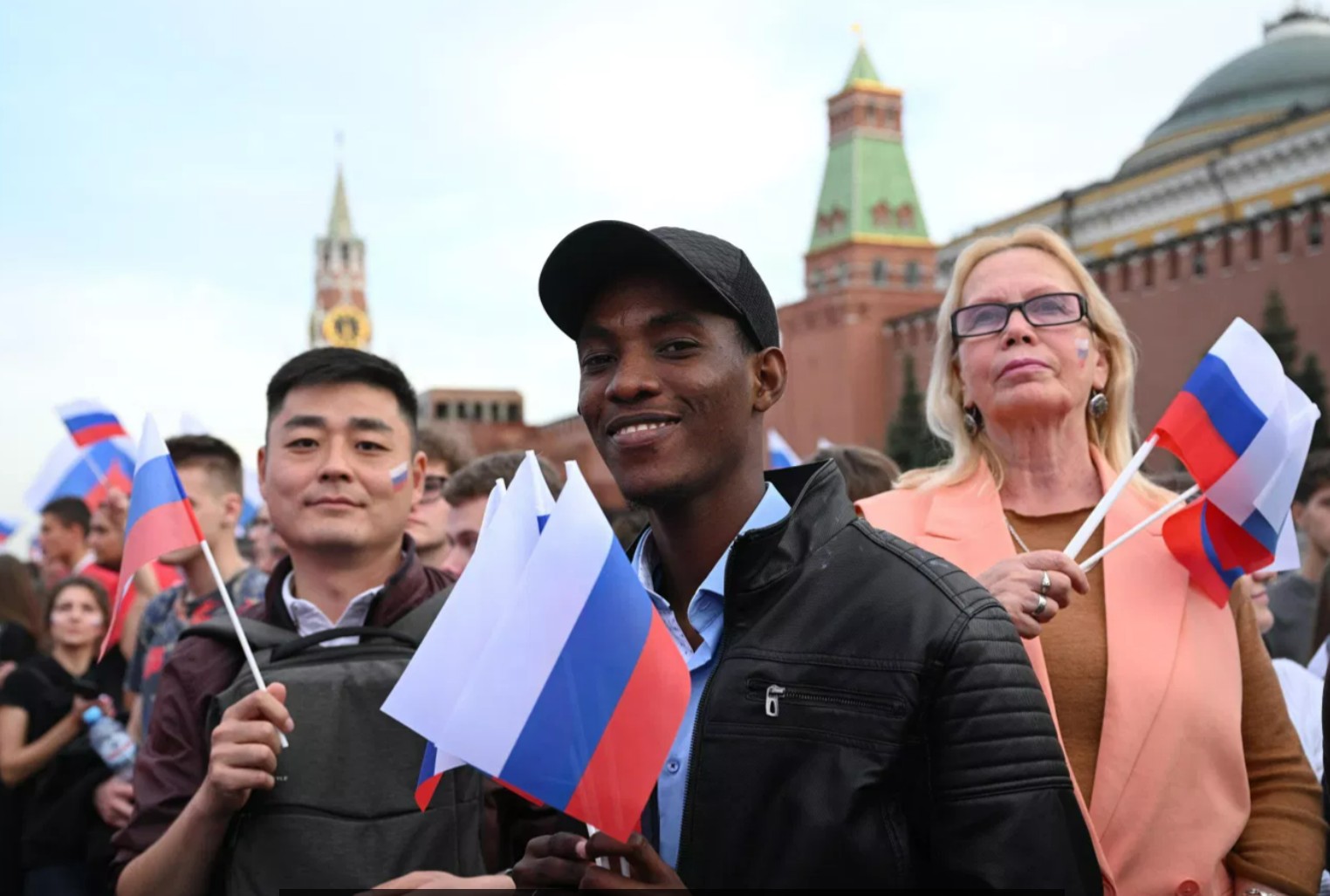
MOSCOW (Realist English). Russia is expanding multifaceted cooperation with African states ahead of the third Russia–Africa summit, to be held October 28–29 in Moscow. As Foreign Minister Sergey Lavrov stated, Moscow “fully supports” Africans’ desire to strengthen sovereignty in all areas, including the right to dispose of natural resources themselves and determine their own development paths. This support covers the economy, security, energy, and the humanitarian sphere.
Economy and trade: a bet on investment
Russia’s trade turnover with the continent’s countries exceeded $27 billion in 2025, roughly a third more than by the time of the 2023 summit. According to KOTRA, trade volume reached $27.1 billion. Russia supplied African countries with 18 million tonnes of grain in 2025.
On the sidelines of the summit, 33 documents are expected to be signed — intergovernmental and interagency agreements, memoranda, and commercial contracts. Priority topics are food security, grain and fertilizer supplies, industrial development, energy cooperation, and independent payment systems. A separate declaration will be devoted to cooperation in artificial intelligence.
Energy and infrastructure: from El Dabaa to water supply
The flagship project is the construction of the El Dabaa nuclear power plant in Egypt. The agenda also includes peaceful uses of atomic energy, digital services, access to clean water, local production, and transport connectivity. In April 2026, Russia and Tanzania signed a memorandum in the transport sector to increase cargo turnover and create new infrastructure.
Security and politics: “African solutions to African problems”
Russia consistently advocates the principle of “African solutions to African problems.” Lavrov confirmed Moscow’s readiness to help resolve crises in the Sahel, the Great Lakes region, the Horn of Africa, Sudan, and Libya. Military-technical cooperation remains one of the most active areas: according to the Russian Ministry of Defense, the number of African countries with military cooperation agreements may reach 36.
The summit will also include consultations with the Alliance of Sahel States (Niger, Mali, Burkina Faso). Moscow supports expanding Africa’s representation on the UN Security Council in accordance with the Ezulwini Consensus and the Sirte Declaration.
Humanitarian and social dimension
Cooperation covers healthcare, education, culture, and sports. Russia implements training programs for African students and provides humanitarian aid — in particular, it has confirmed its readiness to continue it for the Central African Republic. Diplomatic presence is expanding: embassies have opened in Niger, Sierra Leone, and South Sudan, and missions are being prepared in Gambia, Liberia, Togo, and the Union of the Comoros.
The African direction is becoming for Russia not just a declaration but a systemic bet. The summit, with representatives from 48 countries (22 at the level of heads of state) and a package of 33 documents, demonstrates the institutionalization of relations.
However, the key question is not the number of signed papers but their implementation. Trade growth to $27 billion remains modest against the scale of the continent, and military-technical cooperation and energy projects require long-term investment and guarantees.
Russia offers Africa an alternative to Western models — without political conditions and with an emphasis on sovereignty. Whether this model proves sustainable will be shown not by the summit but by the implementation of the announced projects over the next three years.