JEDDAH (Realist English). On 7 August, Saudi Arabia, Turkey and Pakistan signed a joint defence agreement in Jeddah. The ceremony took place against the backdrop of the US‑Iran war, which has already disrupted shipping through the Strait of Hormuz and triggered a surge in Houthi attacks in the Red Sea.
According to AFP sources close to Saudi military and government circles, “discussions had been ongoing for a long time, but recent events in the region accelerated the process.”
Who, when and where
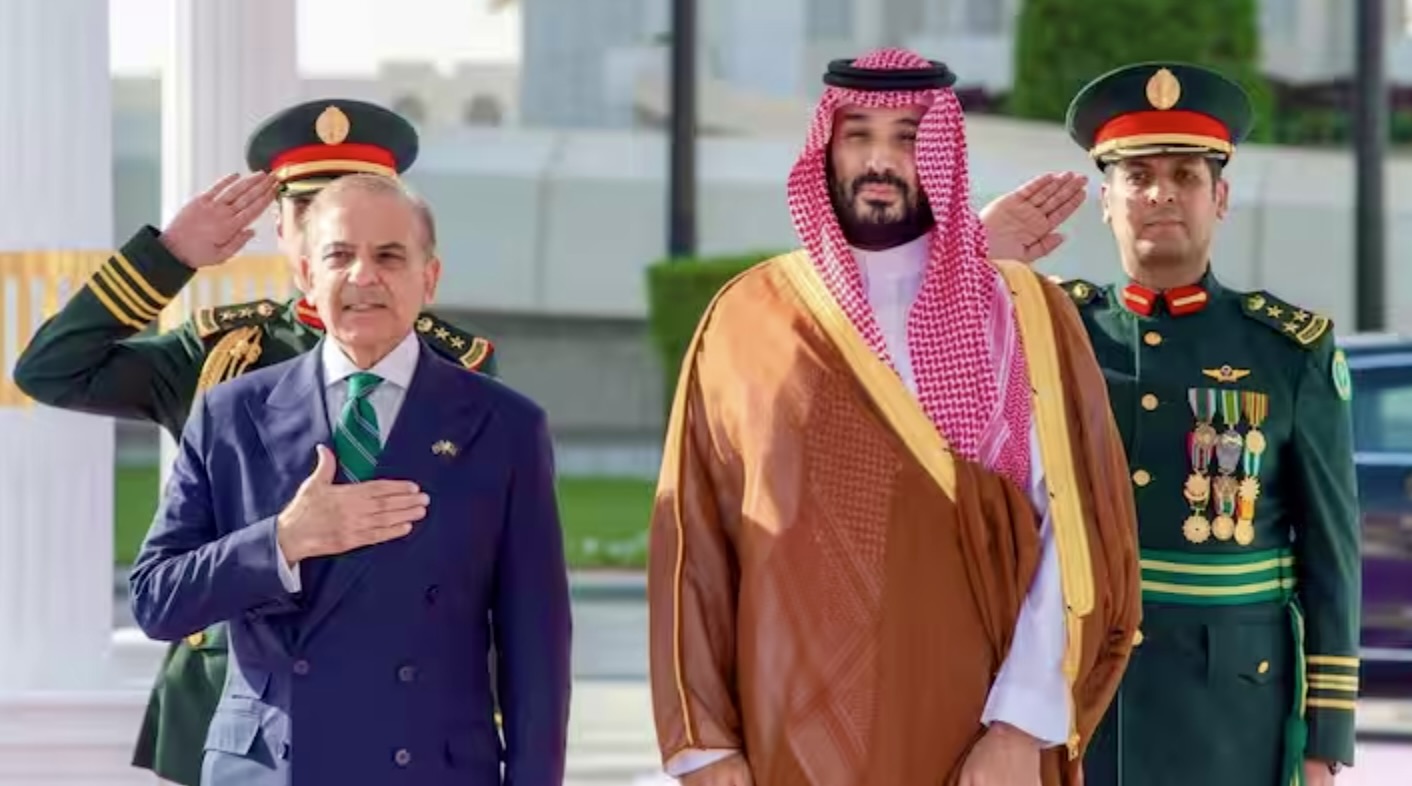
On 7 August, Saudi Crown Prince Mohammed bin Salman, Turkish President Recep Tayyip Erdoğan and Pakistani Prime Minister Shehbaz Sharif met in the Saudi port city on the Red Sea.
Sharif and Pakistan’s Army Chief Field Marshal Asim Munir arrived in the kingdom on 6 August and their visit will last until 8 August. Erdoğan, according to the Turkish presidential administration, arrived on the morning of 7 August.
Foundation: the bilateral pact of 2025
The current tripartite agreement builds on an existing foundation. In September 2025, Saudi Arabia and Pakistan signed the Strategic Mutual Defence Agreement (SMDA), under which an attack on one party is considered an attack on both. The pact drew close attention because Pakistan is the only Muslim state with nuclear weapons.
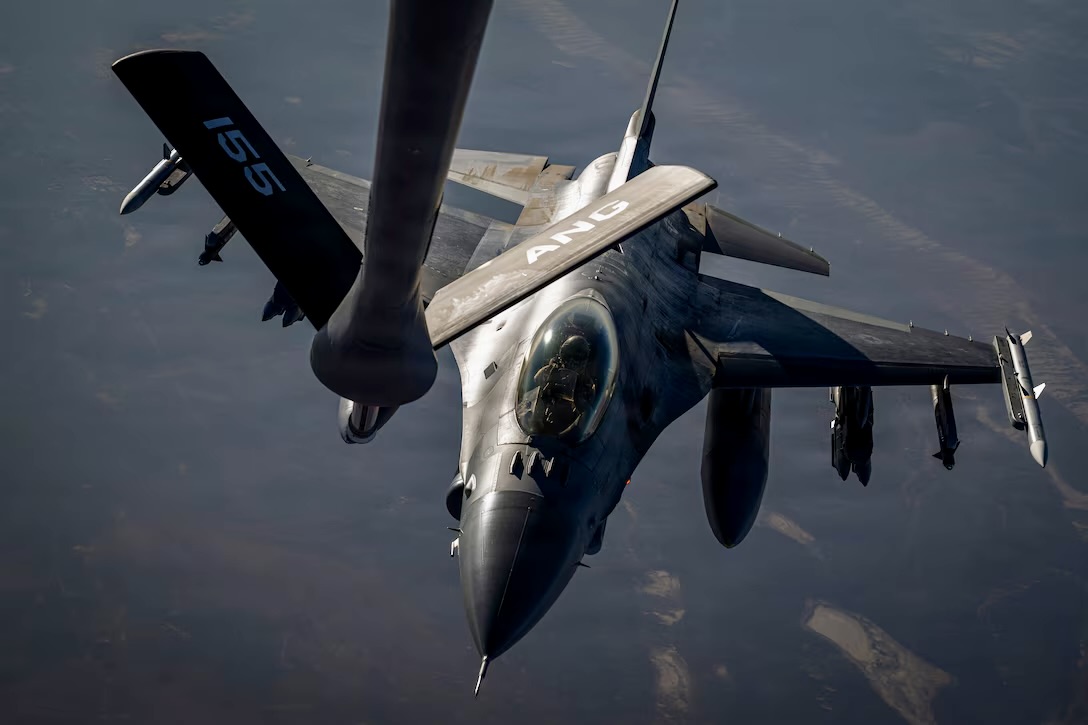
In April 2026, Pakistan had already deployed 8,000 troops, a fighter squadron and an air defence system to Saudi Arabia under the defence agreement.
Diplomatic context
In recent months, both countries have been actively involved in resolving regional conflicts. Pakistan has acted as a mediator in efforts to end the US‑Iran war, while Turkey has played a diplomatic role in negotiations on the Gaza conflict.
Pakistani Foreign Ministry spokesman Tahir Andrabi said on 6 August: “Although the visit takes place amid heightened tensions in the Gulf, its significance goes beyond the current crisis and short‑term considerations.”
Outlook and risks
The details of the new tripartite agreement have not yet been disclosed. However, the very fact of its signing points to the emergence of a new military‑political axis in the Middle East: a conservative Gulf monarchy, a nuclear‑armed South Asian power and a regional military power – Turkey. Experts note that the alliance could strain relations with Iran, which already views Saudi Arabia and Pakistan as US allies.
It is also unclear how Israel and Western countries will react to this move, especially given that the US is at war with Iran and needs stability in the region. The question is whether this alliance will become a deterrent or, on the contrary, a catalyst for further escalation.