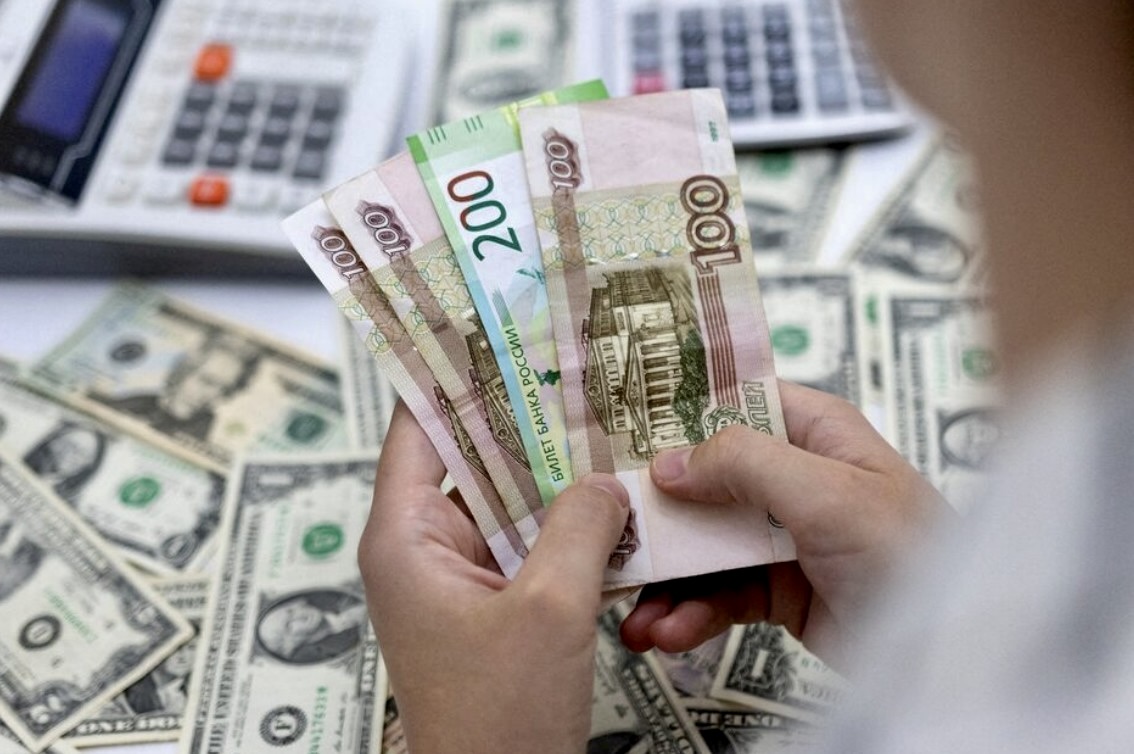
MOSCOW (Realist English). Revenues of Russia’s consolidated budget from oil and gas exports in July 2026 rose by 60% year‑on‑year. This was reported by Reuters, citing its own calculations.
The main driver of the growth was volatility in global fuel prices amid the escalation of the Middle East conflict and the de facto blockade of the Strait of Hormuz.
Brent near $100: geopolitics fuels prices
Global oil prices continue to rise. Brent crude is trading in the $100 per barrel range. Price increases are being driven by Yemeni Houthi attacks on tankers in the Bab el‑Mandeb Strait, as well as ongoing problems with shipping through the Strait of Hormuz due to the US‑Iran war.
As analysts note, the closure of the Strait of Hormuz – a strategic waterway through which about 20% of the world’s oil passed before the war – has created an additional source of revenue for exporting countries, including Russia. At the same time, for energy importers, the blockade has translated into higher costs, inflation and economic slowdown.
Tax factor: MET drives growth
In addition to the price factor, a significant contribution to the growth in total revenues for the reporting period came from a notable increase in mineral extraction tax (MET) receipts in the second quarter of 2026.
As Reuters notes, a sharp increase in tax receipts from oil production profits also contributed to the overall annual revenue growth.
Annual plan and cumulative dynamics
Russia’s 2026 budget targets oil and gas revenues at 8.92 trillion roubles ($113.7 billion) . Total budget revenues for the year are projected at 40.283 trillion roubles.
At the same time, despite the strong July result, cumulative oil and gas tax receipts from the start of the year, according to preliminary estimates, could fall by 11% compared to the same period in 2025 – to 4.9 trillion roubles.
As analysts explain, several strong months will improve the current picture, but will not fully compensate for the shortfall accumulated since the beginning of the year.
EU’s 21st sanctions package: targeting oil revenues
On 23 July 2026, the 21st EU sanctions package against Russia came into force, aimed, among other things, at limiting revenues to the Russian budget from oil sales. EU authorities believe these funds help Moscow finance its military campaign. Earlier, in April 2026, Russia’s oil and gas revenues reached 855.6 billion roubles ($11.3 billion), barely exceeding baseline targets despite high global prices.
Official data from the Ministry of Finance on oil and gas sales revenues for July is due to be published on 5 August.
Last year, federal budget oil and gas revenues fell by 24% to 8.48 trillion roubles, the lowest since 2020. This year shows a recovery, but the cumulative decline since the start of the year and new sanctions restrictions create uncertainty for future dynamics.
As Reuters notes, “Trump’s apparent de‑escalation after days of mutual threats of fresh attacks was another twist in the protracted war.” The trajectory of oil prices – and therefore Russia’s budget revenues from energy exports – will depend on whether the sides can find common ground at the negotiating table.