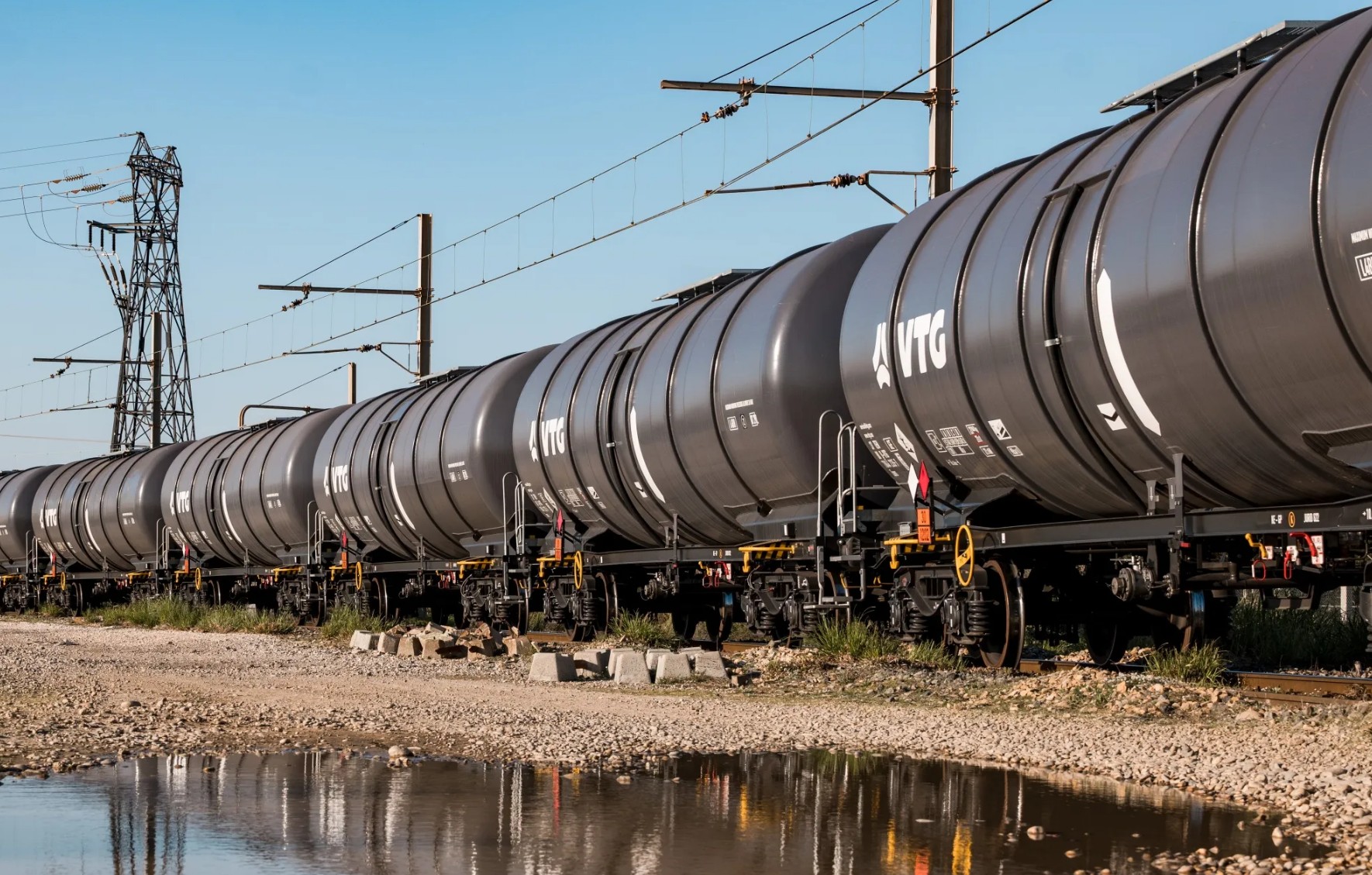
LUXEMBOURG (Realist English). French Energy Minister Roland Lescure, following a meeting of the EU Council in Luxembourg on 29 October, said that Europe would release more than 42 million barrels of oil onto the market over the next three months. Half of this volume will be diesel fuel. According to the minister, the decision was taken within the framework of the G7 agreements reached on 2 October under the French presidency on mobilising strategic reserves to support the supply of petroleum products.
What exactly is being released
France will contribute 10 million barrels of diesel fuel to the total volume, which will arrive on the French market in the coming days. Diesel is expected to be supplied at cost, which could reduce the price at filling stations by 12–18 eurocents per litre as early as next week. The measure is aimed primarily at road freight transport, construction equipment and agriculture, where diesel remains the main fuel and its rising cost is directly passed on to consumer goods prices.
Fuel prices
According to the European Commission, in the week ending 12 October 2026, the average price of diesel fuel in the EU was about €2.14 per litre, and petrol €2.01. By the end of October, the price gap between countries remains significant: in Finland and Denmark diesel exceeded €2.50, while in Malta it stayed at €1.21.
| Country | Diesel (€/l) | Petrol (€/l) | Measurement date |
| EU (average) | ~2.14 | ~2.01 | 12 October |
| France | 2.35 | 2.12 (SP95-E10) | 27 October |
| Germany | 2.29 | 2.08 (E10) | 27 October |
| Italy | 2.26 | 2.02 | 27 October |
| Netherlands | ~2.48 | ~2.46 | 12 October |
In France, diesel rose to €2.35 per litre, 0.6 eurocents higher than the previous week, while SP95-E10 petrol, by contrast, fell to €2.12. In Germany, diesel added 3.4 cents over the week to reach €2.289, while E10 petrol fell to €2.084.
In Italy, the average self-service price was €2.261 for diesel and €2.017 for petrol. In the Netherlands, diesel remains one of the most expensive in the EU — around €2.48 per litre.
The price dynamics reflect the consequences of the war in the Middle East: since late February 2026, fuel costs in Europe have risen sharply due to supply disruptions and tension in the refined petroleum product market, especially diesel. The release of 42 million barrels, half of which is diesel, is intended to temporarily ease this pressure, but the effect of the measure is limited by its three-month horizon and tactical volume against the backdrop of global consumption.
In a broader context: IEA and G7 commitments
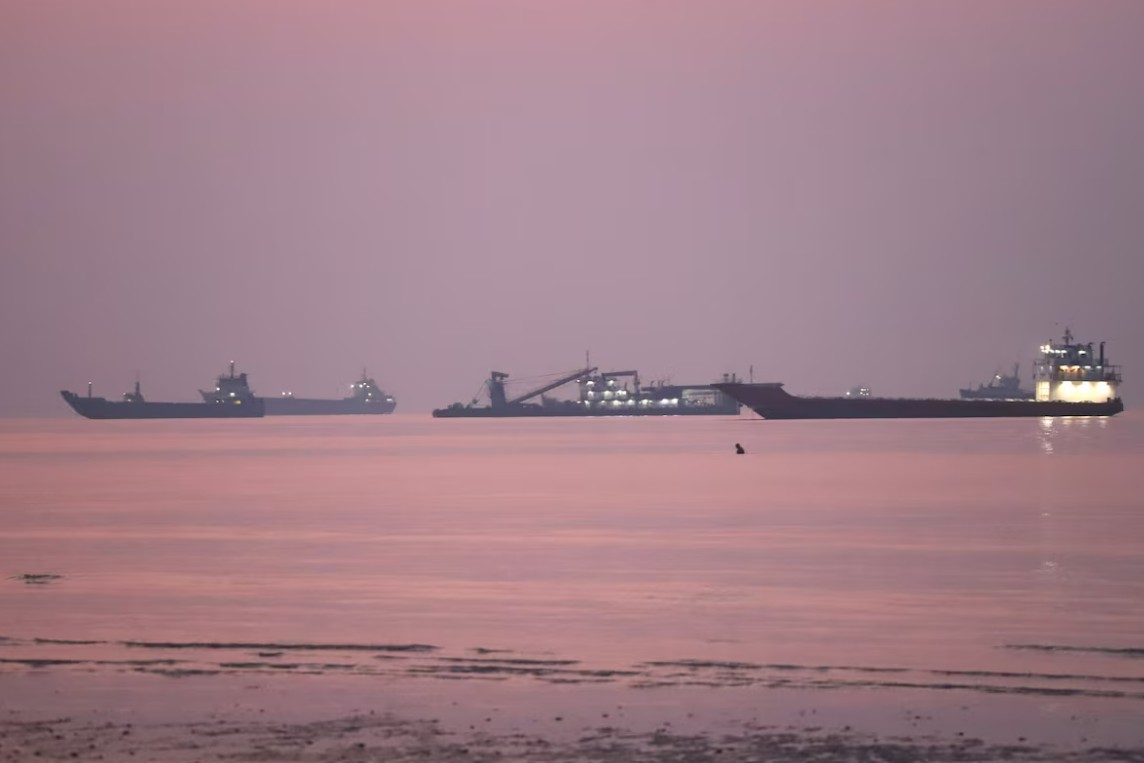
The current release is part of a larger operation coordinated by the International Energy Agency (IEA). In March 2026, IEA member countries committed to releasing 400 million barrels onto the market, later increased to 426 million barrels in response to supply disruptions caused by the war in the Middle East and the blocking of ships in the Strait of Hormuz. Of this volume, 280 million barrels come from government reserves, 119 million from industry reserves, and 27 million from additional production. The largest contributors were the United States (172.2 million barrels), Japan, Canada, South Korea and Germany; France, the United Kingdom, Spain and Italy also participate in the operation.
In Europe, contributions are made primarily in the form of petroleum products rather than crude oil, reflecting the structure of European reserves. Earlier, on 2 October, G7 leaders agreed to release up to 100 million barrels of diesel and crude oil over four months, with a significant portion of the diesel to reach the market first.
Limitations and risks
According to analysts, additional volumes from strategic reserves are an operational measure capable of temporarily easing price pressure but not eliminating the structural vulnerabilities of the market.
Europe remains dependent on the uninterrupted flow of international supplies and sufficient oil refining capacity amid geopolitical tension. In addition, some EU countries have previously warned that further drawdown of reserves could reduce their resilience in the event of a new supply crisis.
The release of 42 million barrels is primarily a political signal: Brussels and Paris are demonstrating their readiness to respond to social discontent over rising fuel prices without waiting for market mechanisms to balance supply and demand on their own.
However, the effect of the measure is limited both in volume (42 million barrels against global consumption is a tactical quantity) and in time (three months). The key question remains whether coordination with the IEA and G7 will continue after the agreed quotas are exhausted, or whether Europe will again face a choice between further drawing down reserves and the risk of energy vulnerability. For consumers, the nearest effect will be noticeable primarily in diesel — and that is where it is most sensitive for the economy.