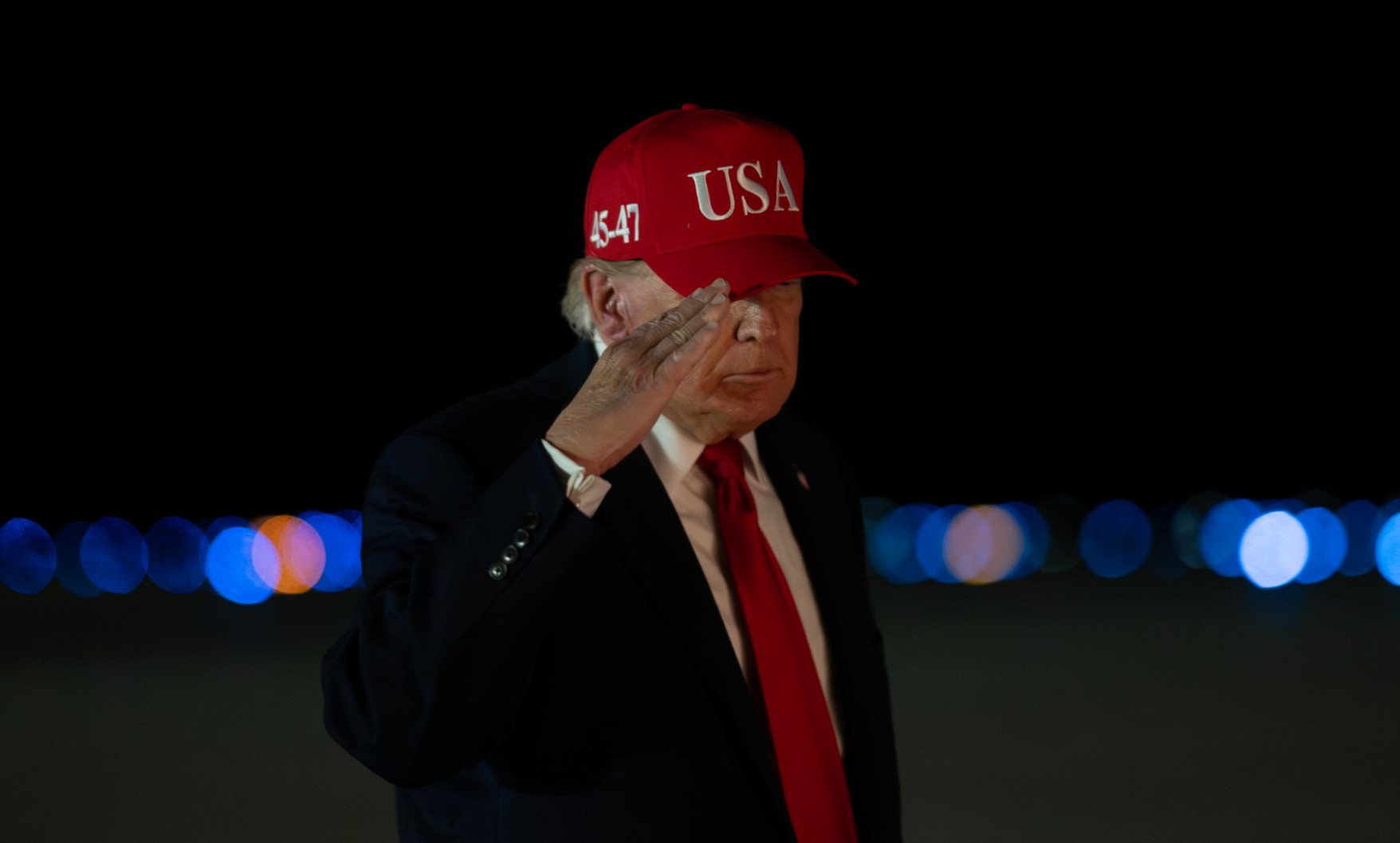
WASHINGTON (Realist English). US President Donald Trump on October 27 at a campaign rally in Corpus Christi, Texas, displayed a tanker that he said was carrying 1 million barrels of Venezuelan oil, and suggested that Venezuela could become the 51st US state. The Guardian, Al Jazeera, and AP report this.
What happened
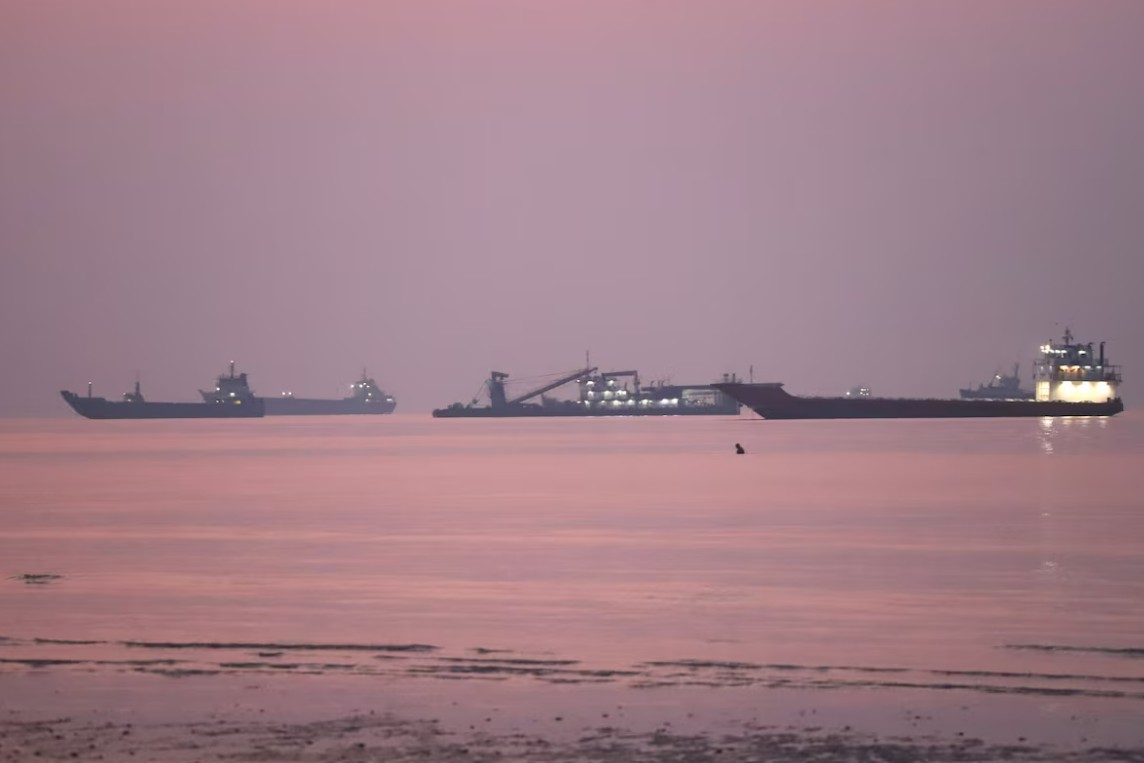
Trump pointed to a vessel in the distance and said: “It has 1 million barrels of oil from Venezuela.” He called the cargo a “gift” from Venezuela and linked it to “our big victory in the recent war with Venezuela.” According to him, the oil will be refined in Texas, including in Corpus Christi, and provided to the US “at zero cost to the American taxpayer.”
“We are celebrating the greatest oil victory in history,” Trump said. “Venezuela will become a prosperous country, and who knows? Maybe someday soon it will become a prosperous 51st state. It’s possible.” Later he repeated the suggestion: “Let’s make it the 51st state. And instead of a president, we’ll have gubernatorial elections. How about that? They have a lot of oil.”
War, Maduro, and the oil deal
In January 2026, the US attacked Venezuela and captured its longtime leader Nicolás Maduro, who was taken to New York for trial. The deal was concluded with the country’s interim government, backed by the Trump administration. In August, the US announced an agreement giving the Pentagon a 35 percent stake in North America Blue Energy Partners — the company managing 65 billion barrels of proven reserves. Trump claims the agreement will cover “billions” of barrels.
Why this matters for the election
The rally was part of the campaign ahead of the midterm elections on November 3. Trump made his third trip to Texas in a month to support Attorney General Ken Paxton in the Senate race against Democrat James Talarico. According to polls, Talarico leads by a narrow margin; his victory would be the first election of a Democrat at the state level since 1994.
The oil demonstration was intended to divert attention from rising fuel prices caused by the war with Iran and the closure of the Strait of Hormuz. Trump promised that prices would “soon fall sharply.”
Criticism
Critics note that the administration is not insisting on a democratic transition in Venezuela, where no elections have been held since Maduro’s detention. Al Jazeera notes that it is unclear on what basis the delivery was made and whether the details Trump cited are accurate. Skeptics also doubt that the deal will have a short-term impact on the market.
Trump’s statement is not just rhetoric but an attempt to convert a foreign-policy operation into an electoral asset. The idea of the 51st state, the repetitions about the “greatest oil victory,” and the tanker display are addressed to Texas voters, for whom gasoline prices and “affordability” have become key issues. However, doubts about the details of the delivery and the absence of a democratic transition in Venezuela leave room for criticism.
For Venezuela, this is a signal that its oil and sovereignty are becoming bargaining chips in US domestic politics. For the region, it is another example of how Washington’s policy in Latin America is subordinated to the electoral calendar.