BRUSSELS (Realist English). On October 12, the EU approved the 22nd sanctions package against Russia. It became the largest single expansion of the list since the start of the conflict. It includes 743 individuals and 826 legal entities. Most are linked to the Russian military-industrial complex and ballistic missile production.
Key parameters of the package
Scale. The total number of entries in the EU sanctions list on Russia has grown from approximately 3,100 to 4,700–4,776. EU High Representative Kaja Kallas called it “the largest expansion of the list since the war began.”
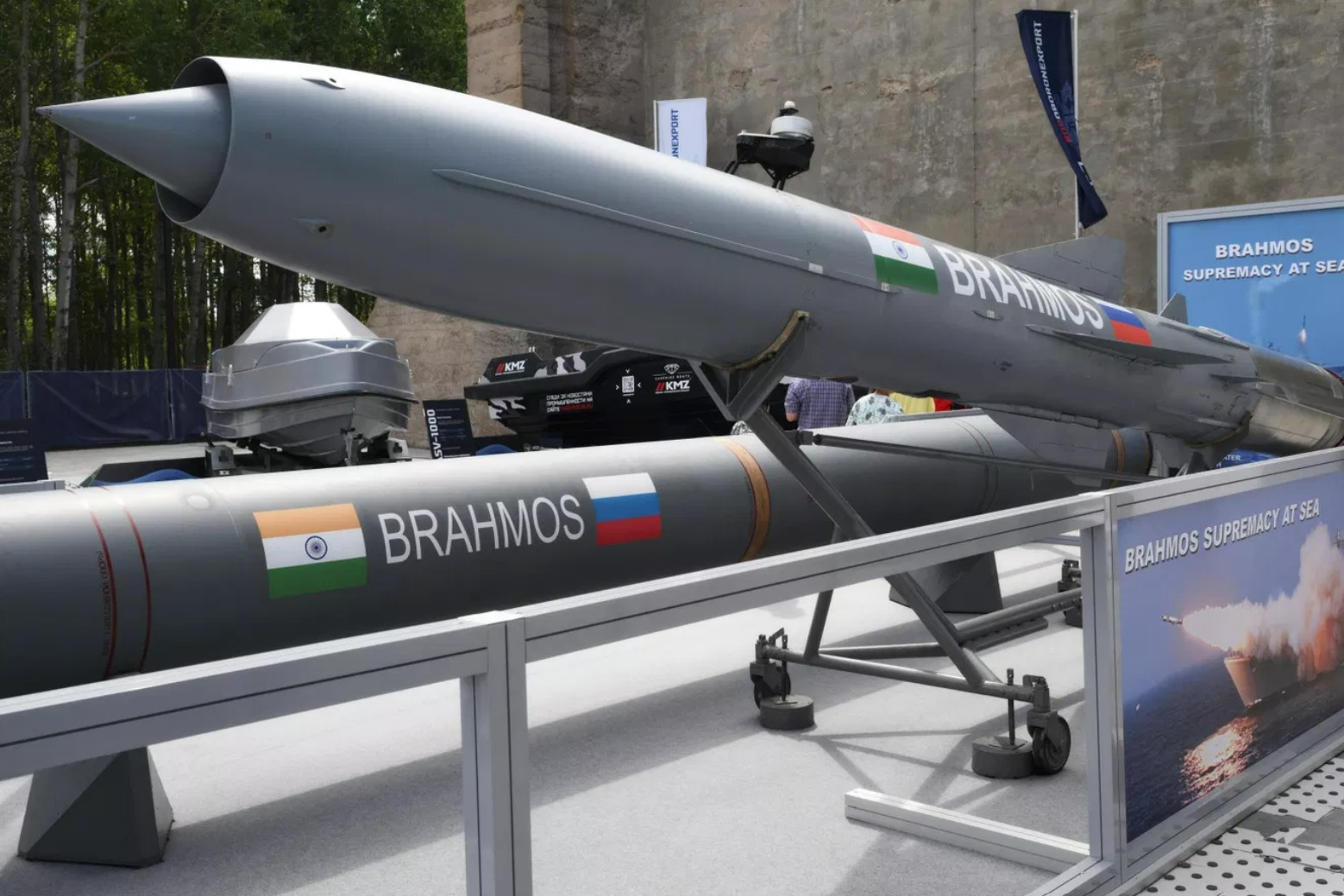
Target categories. More than half of the new entries are linked to the ballistic missile production chain. These are research centers, test sites, solid fuel producers, and engine suppliers for the Iskander systems. Separately, 77 individuals were added to the list for participating in State Duma elections in the territories of Donbass and Novorossiya.
Specific organizations. Sanctions were imposed on the Gorky Automobile Plant, UDC-Gas Turbines, the Zvezda shipbuilding yard, the Cordiant tire holding, and others.
Legal consequences. All individuals on the list are deprived of the right to enter the EU. Their assets are subject to freezing. EU companies and citizens are prohibited from maintaining business relations with them.
Disagreements within the EU
The expansion of the list occurred against the backdrop of a US reversal. Last week, Trump announced the lifting of sanctions on imports of Russian diesel. This caused criticism in Europe.
In addition, the EU had shortly before lifted sanctions on Russian billionaires Alisher Usmanov and Mikhail Fridman. This occurred under pressure from France and Luxembourg, respectively.
What to watch
The effectiveness of the package depends on the EU’s ability to block circumvention schemes. Russia is already using intermediaries and trade routes through third countries to obtain components. The focus on ballistic missile supply chains is an attempt to strike at vulnerable links. But it is not a guarantee of halting production.