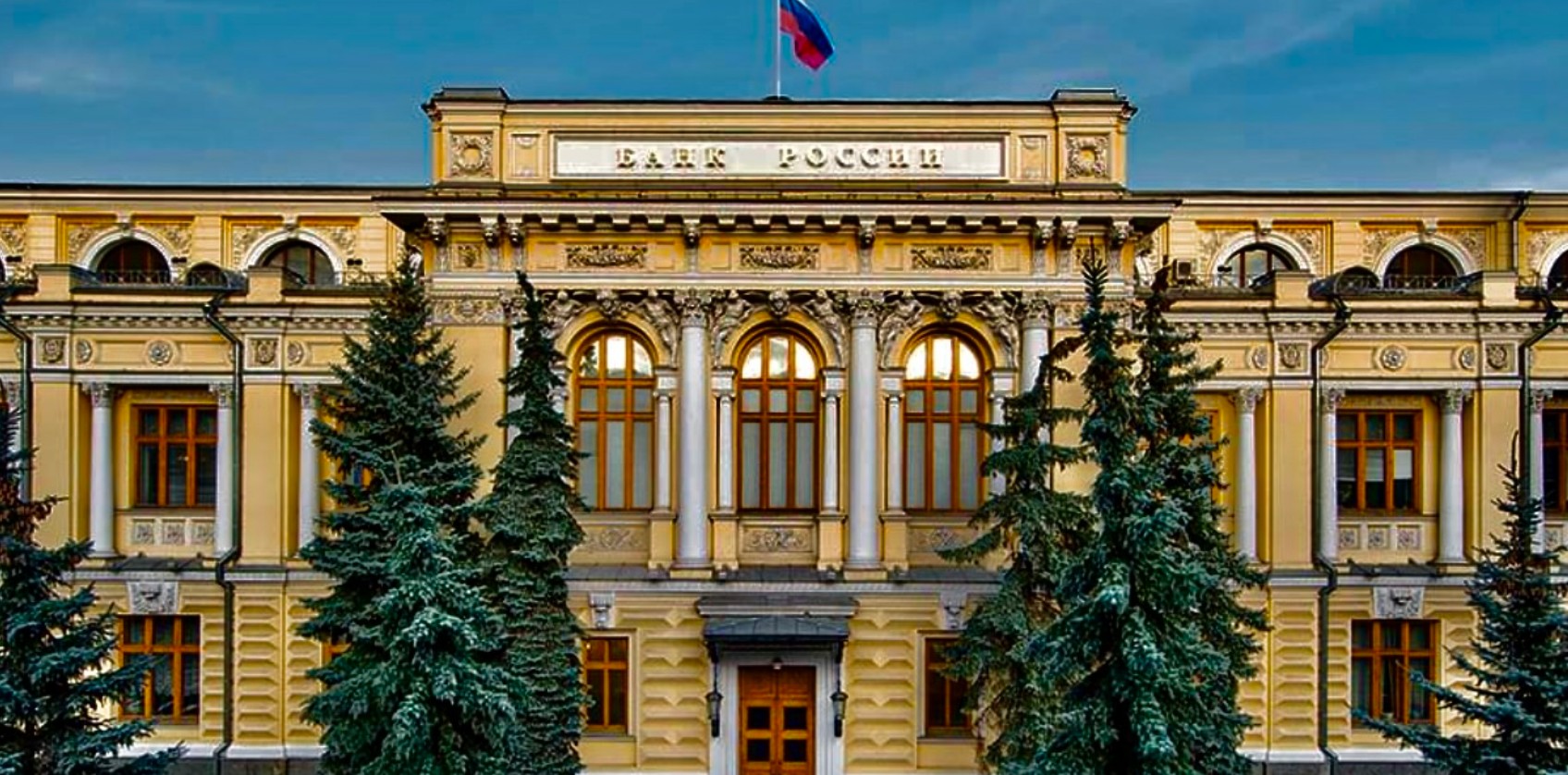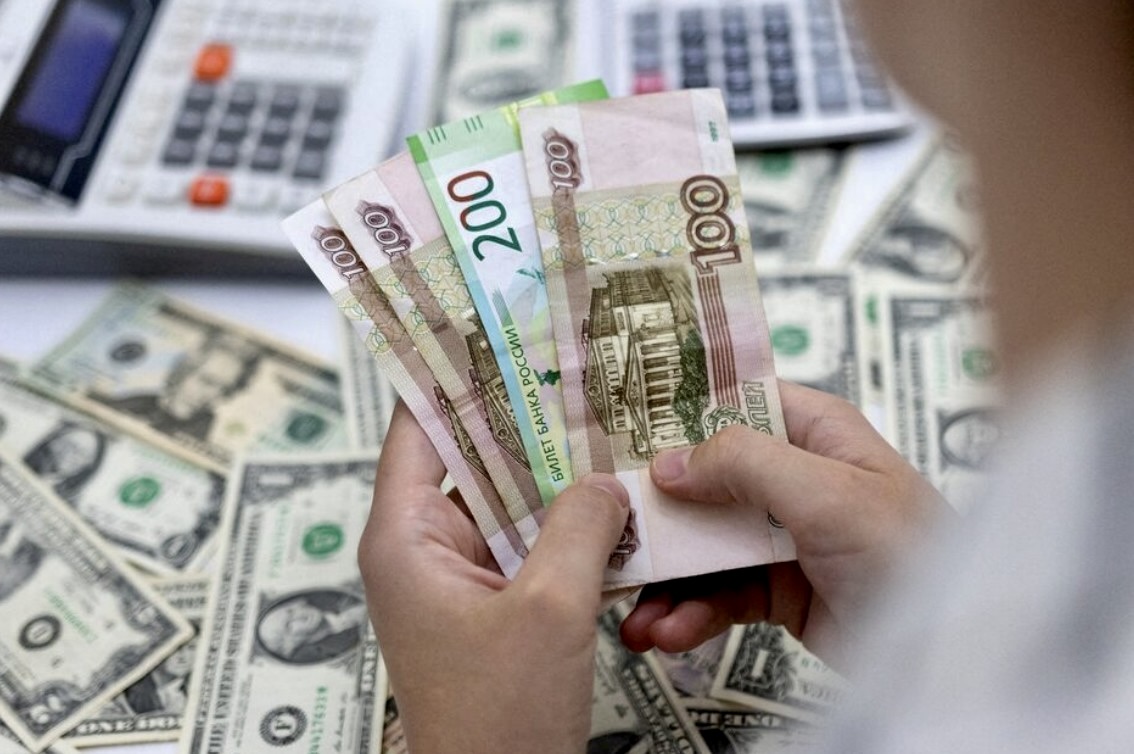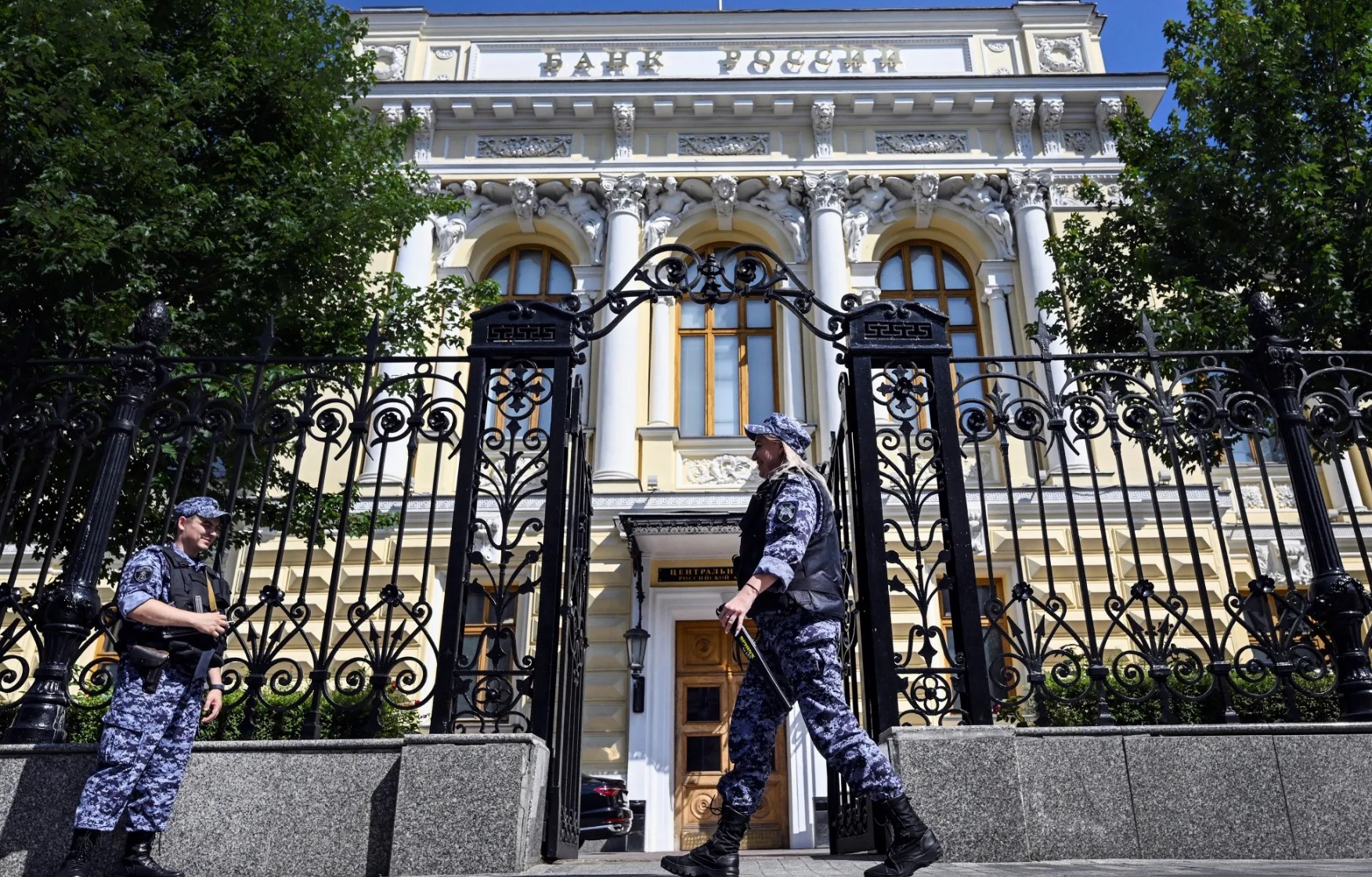
MOSCOW(Realist English) . On October 6, the Bank of Russia issued the first licenses to cryptocurrency market participants. The list includes nine organizations, including structures of Sberbank, VTB, and T-Technologies. This means the Russian crypto market is officially moving from the grey zone into a regulated legal regime.
Who received the licenses
The Bank of Russia divided the first organizations into two categories:
— Crypto exchanges (4): VTB, T-Invest Lab (a T-Bank structure), Zefir, Sistema-Crypto. They can buy and sell cryptocurrency in their own name and at their own expense on unorganized trading platforms.
— Digital depositories (5): Sberbank, VTB, Atomize (a T-Technologies structure), Voltari, Cloud Infrastructure. They are responsible for the registration and movement of cryptocurrencies and digital rights, providing clients with access to storage addresses.
T-Technologies stated that the next step will be testing in a real environment with a limited circle of employees within T-Bank. After successful testing, access will open to the general public.
Sberbank plans to launch its first crypto products on December 1, 2026. However, the timing depends on the Central Bank’s final decision on applications and the readiness of accompanying regulations. VTB expects to open trading through “VTB My Investments” in November, and in December — directly through its exchange platform.
Legal basis
The entire structure rests on Federal Law No. 282-FZ “On Digital Currencies and Digital Rights,” signed by President Vladimir Putin on August 4, 2026. Key provisions of the law came into force on September 1. Licensing rules — on October 5. Already on October 6, the Central Bank completed the first registration.
Strict restrictions for retail investors
— Annual purchase limit: 300,000 rubles per year per licensed intermediary.
— Available currencies: only BTC, ETH, USDT (the three most liquid).
— Mandatory testing: before the first purchase, a risk knowledge test must be passed.
— Payment ban: it is prohibited to use cryptocurrency to buy goods and services in Russia.
— Legal status: crypto assets are recognized as “property.” They can be bought, sold, gifted, inherited, and taxes paid on them.
Qualified investors are not limited in amount and can purchase any cryptocurrencies permitted for circulation in Russia. Fully anonymous ones, such as Monero, are excluded. They are also required to pass testing.
Notably, the withdrawal of cryptocurrency abroad is not restricted — both categories of investors can do this. In addition, for transfers to third parties exceeding 300,000 rubles, a 48-hour cooling-off period is established.
The legal path for the investor
The investor must open an account with a licensed intermediary, pass KYC identification, and confirm the legality of the source of funds. The minimum own capital for an exchange is 15 million rubles, for a digital depository — from 50 million to 250 million rubles.
The Central Bank also launched a verification tool on its website in the “Financial Market Participants” section. It allows users to verify online that an exchange or depository is in the register.
Timelines and pressure of the transition period
The transition period is until July 1, 2027. After this date, the activity of unlicensed crypto intermediaries will be subject to criminal and administrative liability at the level of illegal banking activity. This “hard deadline” means that existing P2P and grey exchange channels will be fully displaced in less than a year.
As for the use of crypto assets for cross-border trade settlements, the law allows exporters and importers to use cryptocurrency in foreign economic contracts without restrictions. This is a parallel payment channel opened by Russia under sanctions pressure.
Restrictions for banks
The Central Bank has established additional restrictions for credit organizations: bank investments in cryptocurrency must not exceed 1% of their capital. Expert RA experts suggest that banks are unlikely to receive a mass influx of crypto clients in the short term. Russia will not see a surge in demand for storing cryptocurrency in bank accounts.
What remains to be clarified
First Deputy Chairman of the Central Bank Chistukhin previously reported that the entire package of 27 accompanying regulations is planned to be adopted by the end of October. The tax regime and information security rules remain undefined. Market participants warn that with an inadequate tax burden, the market may slow down again.