NEW DELHI (Realist English). India’s Ministry of Defense signed a contract on October 6 with the Russian-Indian joint venture BrahMos Aerospace for the supply of fire control systems and launchers for BrahMos missiles. The contract is worth 661.5 million rupees (about $7 million). The localization requirement is at least 68%.
Key facts
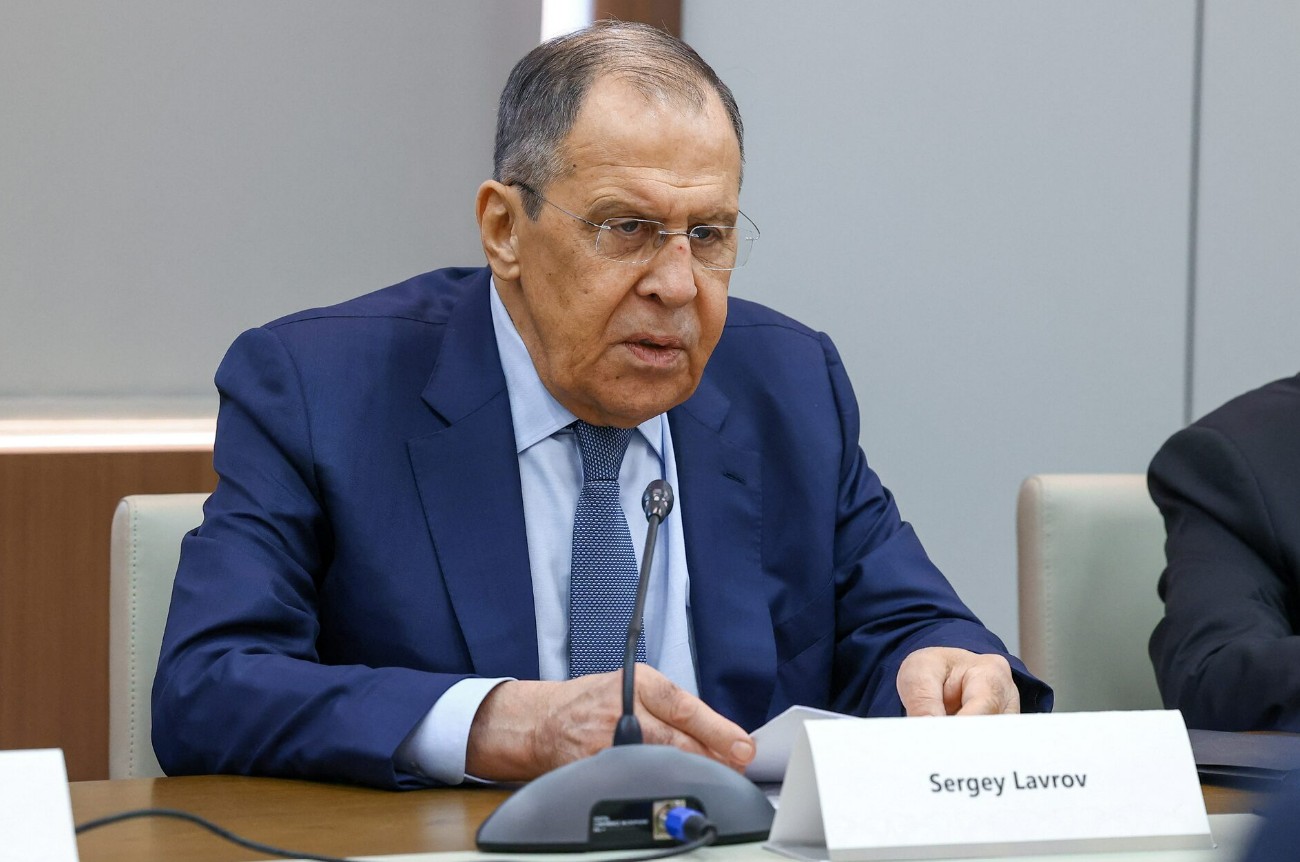
India’s Ministry of Defense signed the contract on October 6, 2026, in New Delhi in the presence of Defense Secretary Rajesh Kumar Singh. The contract category is “India-IDDM,” meaning priority is given to local design, development, and production.
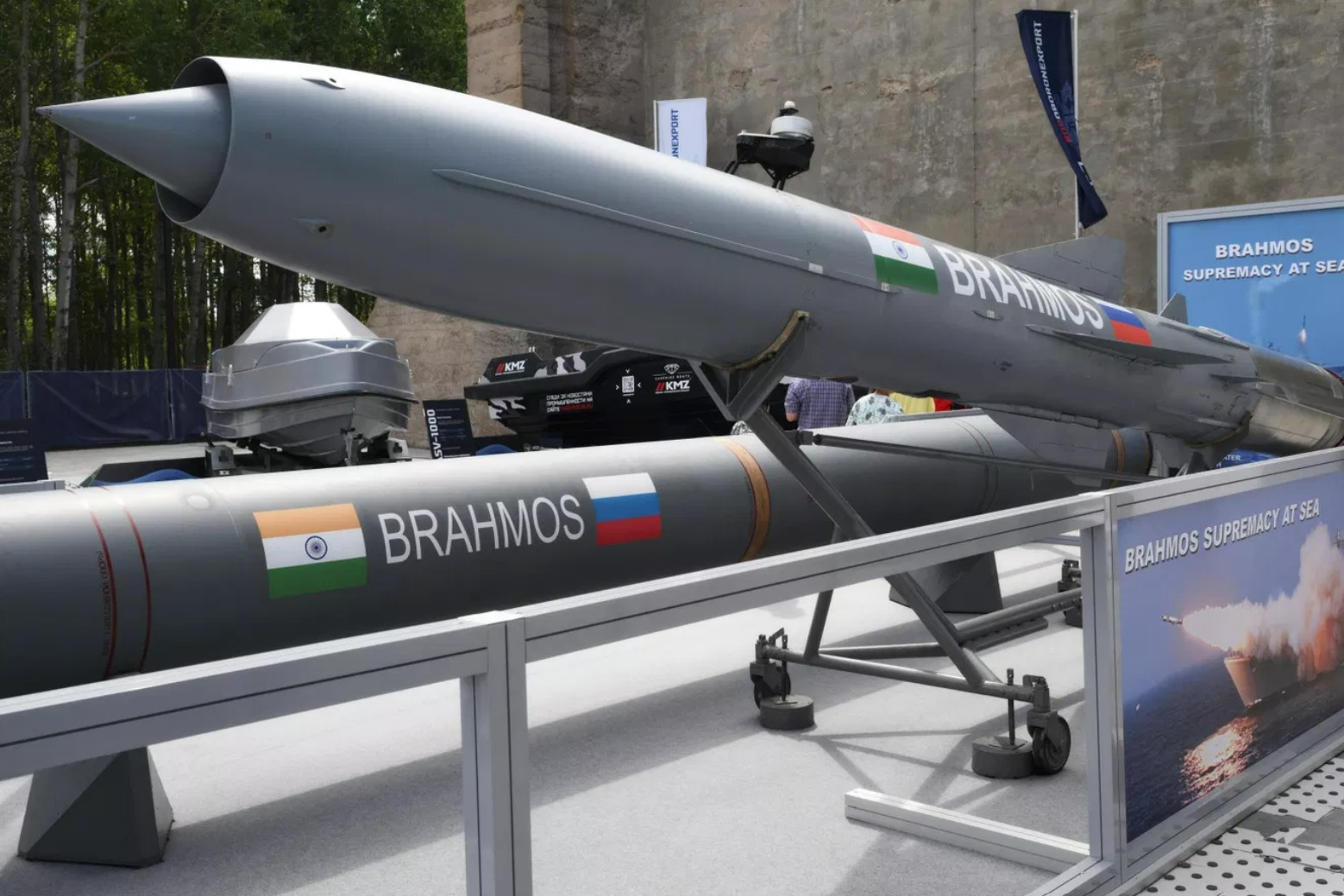
The subject of the procurement is fire control systems (FCS) and launchers for BrahMos, not the missiles themselves. The fire control system is the “brain” of a shipborne missile system, responsible for target acquisition, tracking, mission planning, and launch coordination. Launchers include universal vertical launch modules and quadruple inclined launchers.
The project provides for a minimum share of local production of at least 68%. This will ensure the participation of Indian industry, including small and medium-sized enterprises, and is expected to create jobs within three years.
About BrahMos
BrahMos is a supersonic cruise missile jointly developed by India and Russia and produced by the Russian-Indian joint venture BrahMos Aerospace. India’s Defense Research and Development Organization (DRDO) owns 50.5% of the shares, and Russia’s NPO Mashinostroyeniya owns 49.5%.
The missile’s speed is about Mach 2.8. Standard range is 290 km. In the extended-range version — more than 400 km. It is capable of carrying from 200 to 300 kg of conventional warhead. The missile has the ability to fly at extremely low altitudes over the sea, and in the terminal phase can descend to 5–10 meters to evade radar. It can currently be launched from ships, submarines, aircraft, and ground-based launchers.
Strategic significance
This contract is part of the Indian Navy’s program to increase shipborne strike capabilities. BrahMos is the main anti-ship missile system of the Indian fleet and is already deployed on first-line destroyers and frigates. New purchases of fire control systems and launchers will strengthen this architecture and simultaneously enhance the potential of the local defense industry.
In broader terms, Russian-Indian defense cooperation is transitioning from a simple “seller-buyer” relationship to joint production and technology transfer. The BrahMos project is a illustrative example of this transformation: the localization share has grown from about 65% Russian components in the early stage to more than 75% Indian share.