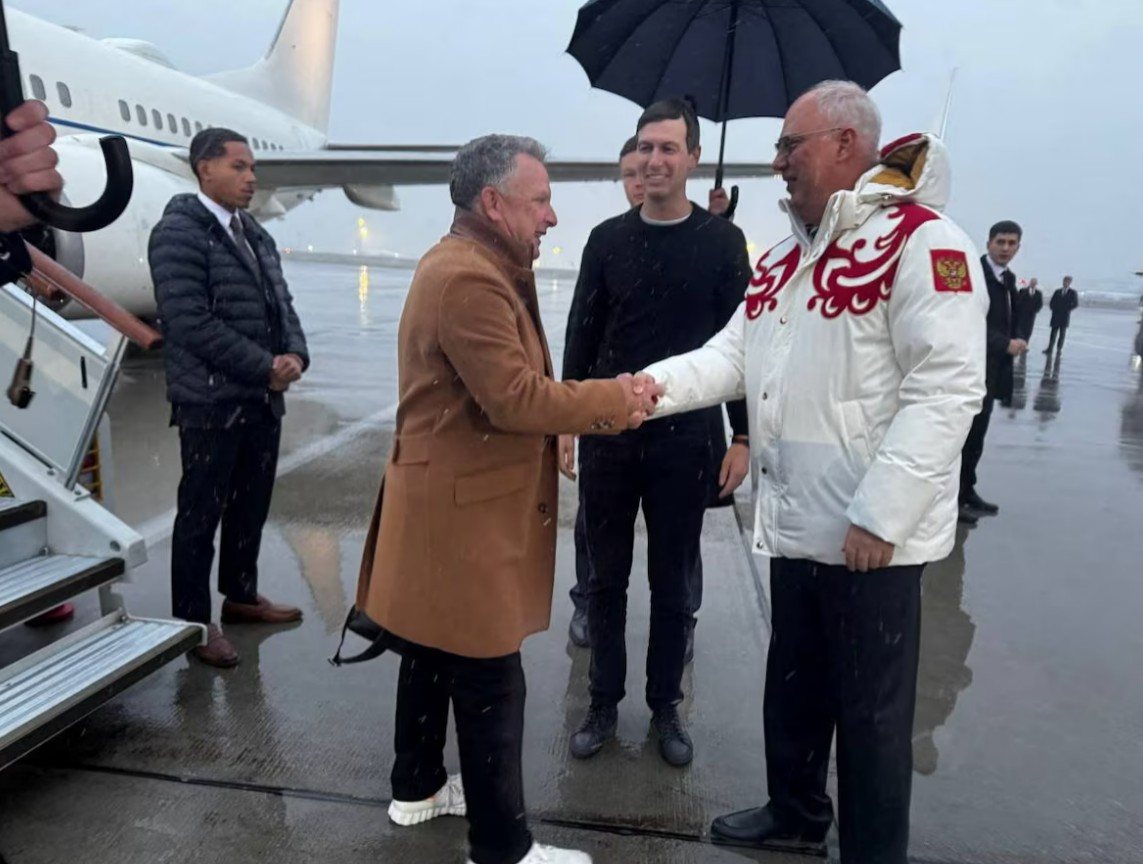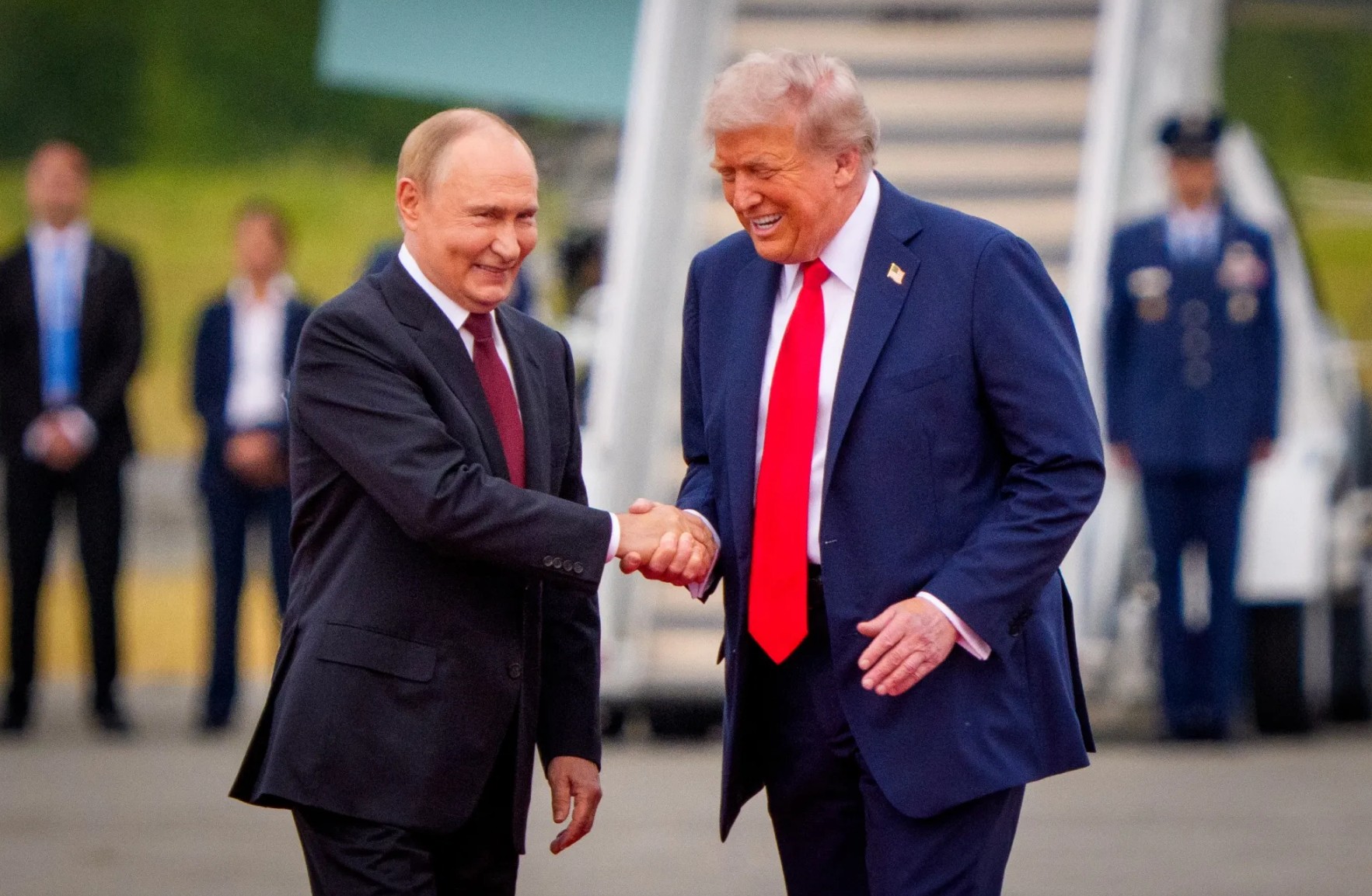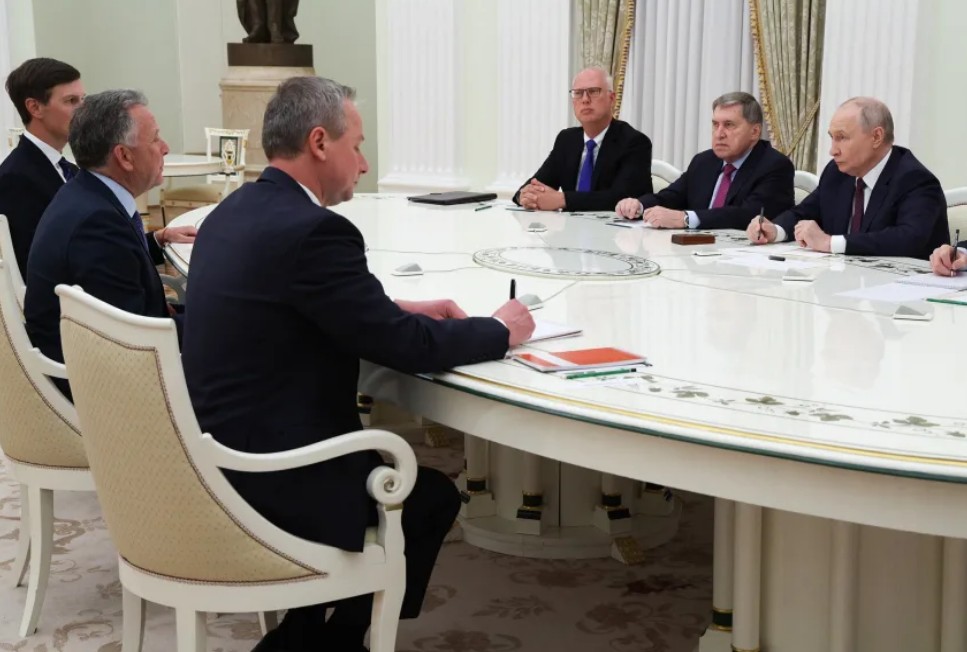
DUBLIN (Realist English). Kushner’s statement was the result of a three-day diplomatic marathon: on 10–11 November, trilateral talks between the US, Russia and Ukraine took place in Abu Dhabi; on 12 November, the American envoys met with Vladimir Putin in Moscow, and then with Vladimir Zelensky in Dublin.
“Both sides have now agreed”
“Both sides have now agreed to expand the next round of talks by including our European partners,” Kushner wrote on social media X. According to him, this will allow consideration of “broader post-war security arrangements in Europe alongside the territorial differences between Ukraine and Russia.”
Kushner also stressed that a durable ceasefire requires “reliable security guarantees, conflict settlement mechanisms and mutual commitments to de-escalation.” At the same time, he noted that broader agreements on European security “will not be completed without taking into account Ukraine’s concerns.”
Zelensky’s position: “Europe will have a voice”
The Ukrainian president, speaking alongside Kushner in Dublin, welcomed the decision. “They will have a voice. This is important for us because the war is in Europe,” RTE quoted him as saying. Zelensky also confirmed that the parties had agreed on the “largest prisoner exchange,” calling it a “real result.”
At the same time, Zelensky had earlier at the European Political Community summit called the US approach to discussing a new security architecture with Russia “a little strange.”
Russia’s position on Europe
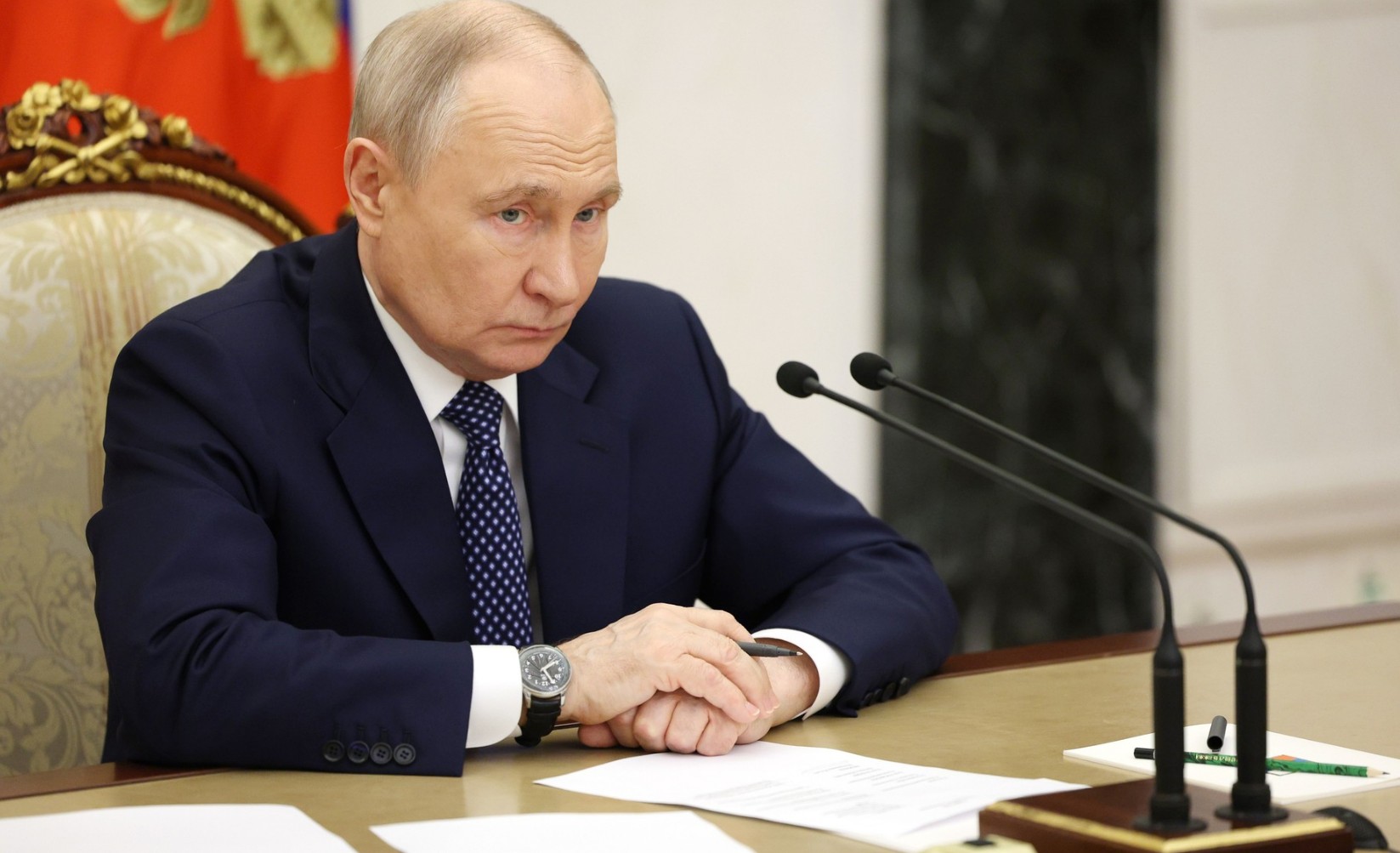
Until recently, Russia had “categorically” objected to Europe’s participation in the talks, while Ukraine had consistently insisted on it. However, at the meeting in Moscow, Putin, according to Kushner, said that he “had never been against dialogue with Europe,” and the American side “was able to achieve this” from the Russian president.
Putin’s aide Yuri Ushakov, in turn, noted that the issue of Russia’s contacts with the EU “will be worked out taking into account the results of the talks in Abu Dhabi.”
Russia’s consent to European participation is not a breakthrough but a tactical concession that could change the balance of power at the negotiating table. For Kyiv, this is a diplomatic victory: Europe, whose interests are directly affected, receives a formal voice.
However, the key question is in what capacity the Europeans will be present: as full participants with veto power or as observers whose opinion “will be taken into account.” So far, Kushner speaks of “broader post-war security mechanisms” without specifying who and under what conditions will determine them.
For Moscow, this is also a way to avoid accusations of blocking dialogue with the EU without abandoning its principled position on territories. The real configuration of the next round — its composition, agenda and powers of European representatives — will become known in the near future, and it is this that will show whether this was a substantive concession or merely a cosmetic change of format.