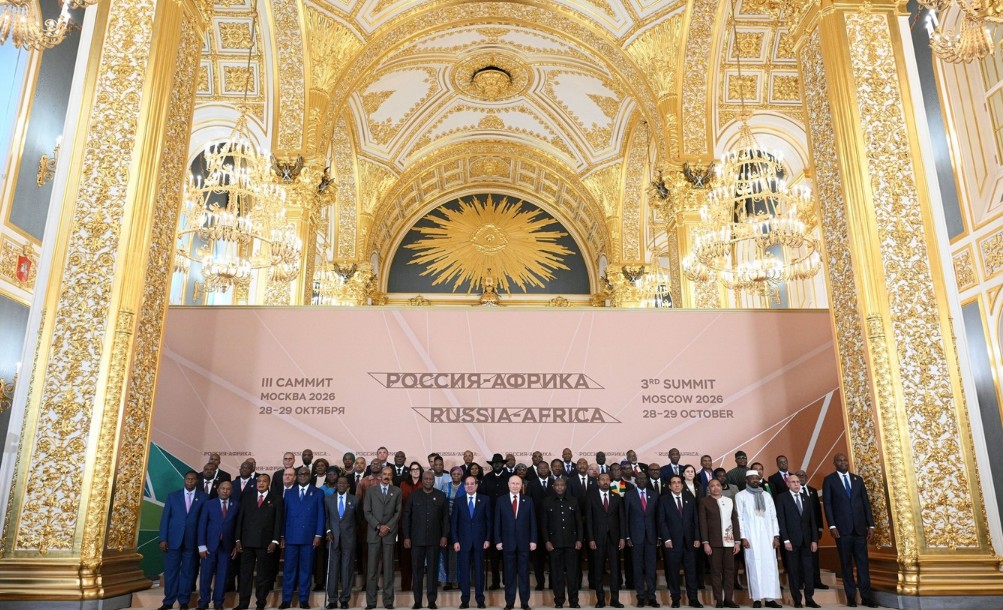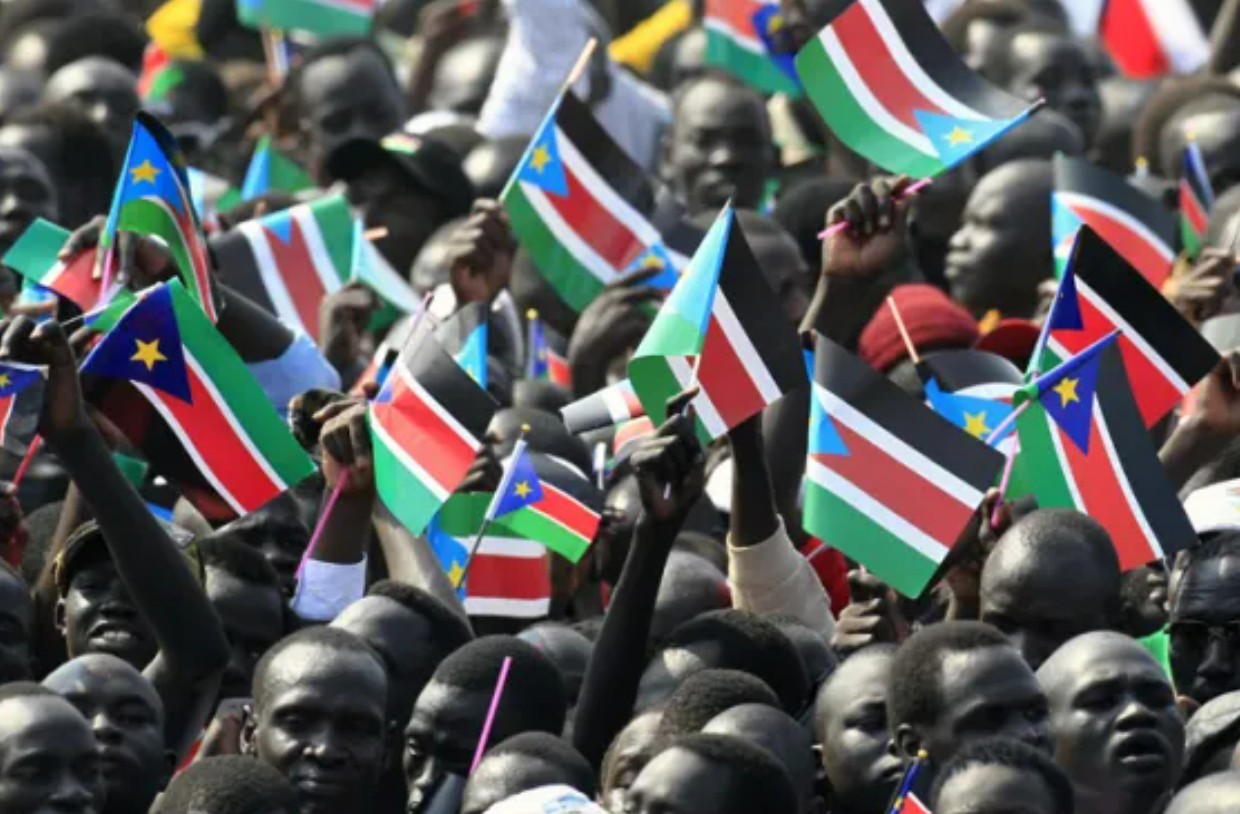
MOSCOW (Realist English). The agreement between the Ministry of Defence of the Russian Federation and the Ministry of Defence and Veterans Affairs of the Republic of South Sudan was signed on 30 October, according to a statement on the Kremlin website. The document was part of a package of bilateral and multilateral agreements signed following the summit held in Moscow on 28–29 October.
What exactly was signed
The Kremlin’s wording is extremely concise: “Agreement between the Ministry of Defence of the Russian Federation and the Ministry of Defence and Veterans Affairs of the Republic of South Sudan on military cooperation.” The statement does not disclose the volume of possible arms supplies, the schedule of joint events, or financial parameters.
Sources who commented on the talks in September 2026 also did not confirm that Moscow had agreed to supply weapons to South Sudan, limiting themselves to referring to “the development of military cooperation and bilateral contacts.”
The summit and the bilateral agenda
The signing took place within the framework of the third Russia–Africa summit, which, according to the Kremlin, resulted in about 150 documents, including 53 intergovernmental and interagency agreements. In addition to the military agreement with South Sudan, Rosatom signed cooperation documents with relevant agencies of Rwanda, Togo and Uganda.
South Sudanese President Salva Kiir arrived in Moscow to participate in the summit. At a separate meeting with the Russian leadership, issues of personnel training were discussed, in particular: the quota for training South Sudanese military personnel in Russia for 2026/2027 has been increased to 40 people.
Restrictions: UN embargo and lack of details
South Sudan remains subject to a UN arms embargo imposed by the Security Council. This imposes formal restrictions on any supplies of weapons and military equipment, even if the military cooperation agreement itself does not constitute a violation.
This is why the key question — the content of the document — remains open: framework military cooperation agreements may cover personnel training, exchange of experience, medical support and consultations, without implying immediate supplies.
The signing of the agreement with South Sudan fits into Moscow’s broader line of expanding military and military-technical ties with African states. However, in this case, it is a framework document rather than a deal with specific obligations.
The absence of public details and the existing UN embargo mean that the practical content of the agreement — from officer training to possible supplies — will be determined by separate decisions that have not yet been made public. The coming months will show whether specific projects follow the signing or whether the document remains a declaration of intent.