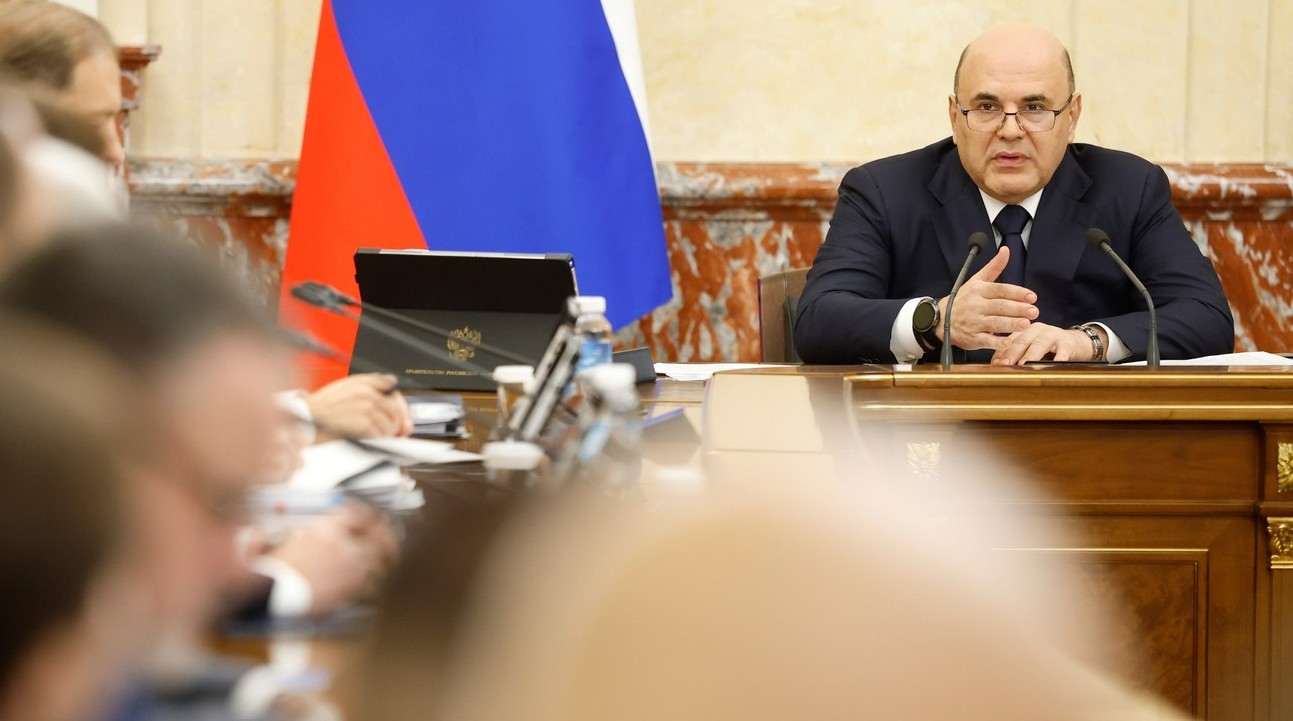
MOSCOW (Realist English). Prime Minister Mikhail Mishustin signed the corresponding decree, the government press service reported. The document extends the temporary ban on the export from Russian territory of diesel and marine fuel, as well as gasoils, carried out by direct producers, until 31 January 2027 inclusive. Previously, for this category of exporters, the restriction was in effect until 31 October 2026.
What exactly is banned and what remains prohibited
The extension concerns three items: diesel fuel, marine fuel and gasoils. At the same time, as Kommersant notes, the ban on the export of gasoline and aviation kerosene from the country remains in place. The general regime of fuel export restrictions in Russia is in effect until 31 January 2027, and the current decision aligns the deadlines for producers with the general deadlines.
Exceptions and supply volumes
Deputy Prime Minister Alexander Novak announced the extension in advance, emphasizing that, “as before, separate exceptions will be made for supplies to world markets.” According to him, in November the volume of such permitted supplies is planned at approximately 2.15 million tonnes. For comparison: in October, Russian producers supplied 510,000 tonnes of diesel abroad. Novak also noted that the decision for the beginning of next year will depend on the current situation.
Talks and easing of restrictions
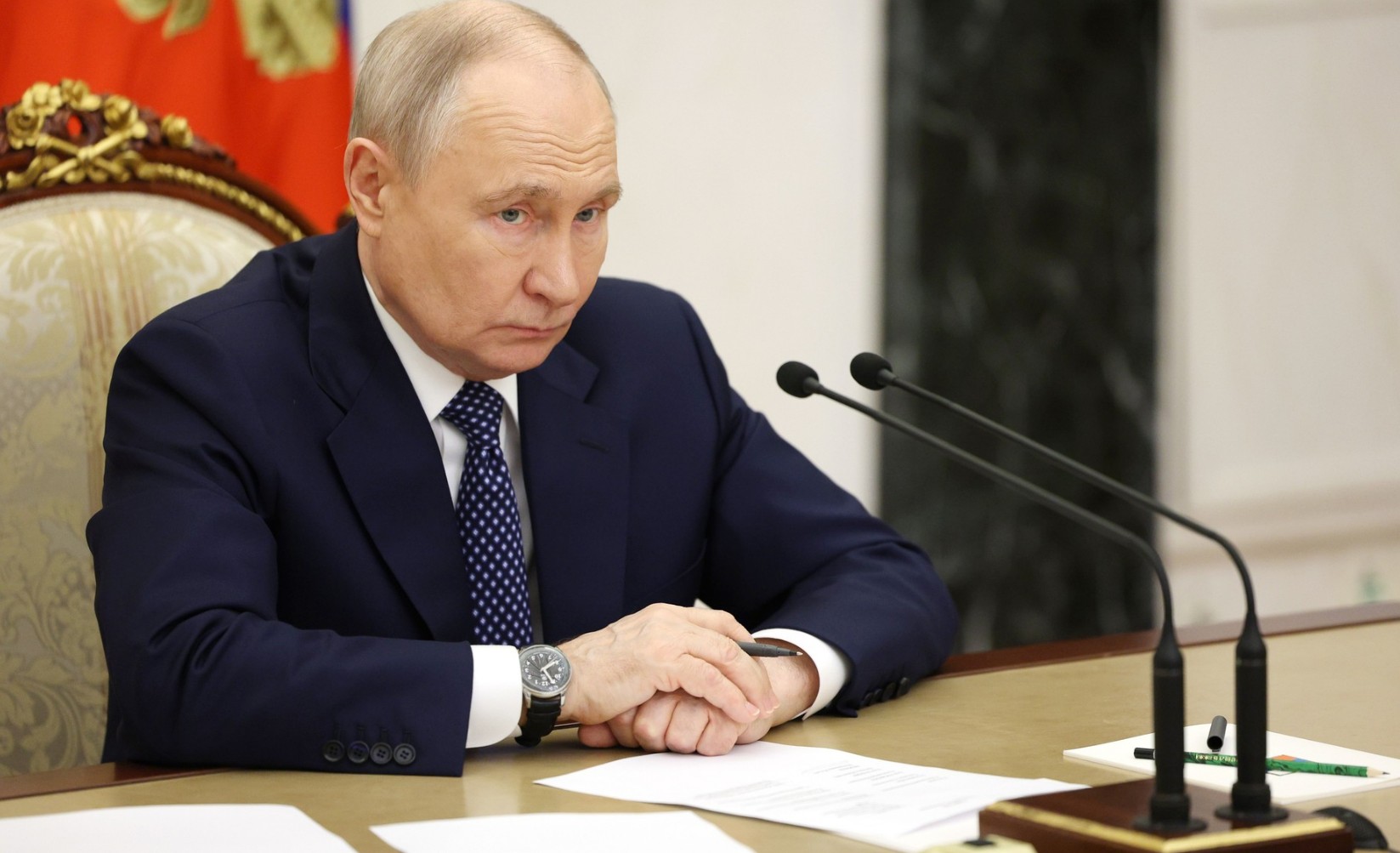
The easing of export restrictions for diesel producers came after telephone talks between the presidents of Russia and the United States, Vladimir Putin and Donald Trump, on 9 October, during which fuel supplies to the American and international markets were discussed.
Following this, the US Treasury’s Office of Foreign Assets Control (OFAC) issued a temporary general license permitting supplies of Russian diesel fuel to the world market, and the Russian government on 10 October announced a partial lifting of the ban. According to Novak, in late October several tankers with diesel fuel headed for the US East Coast, and the main volumes may be supplied from Rosneft’s resources.
The ban on gasoline exports, recall, was introduced on 2 April 2026 and initially was in effect until 31 July, applying to all oil product producers to meet domestic market needs during the field work period.
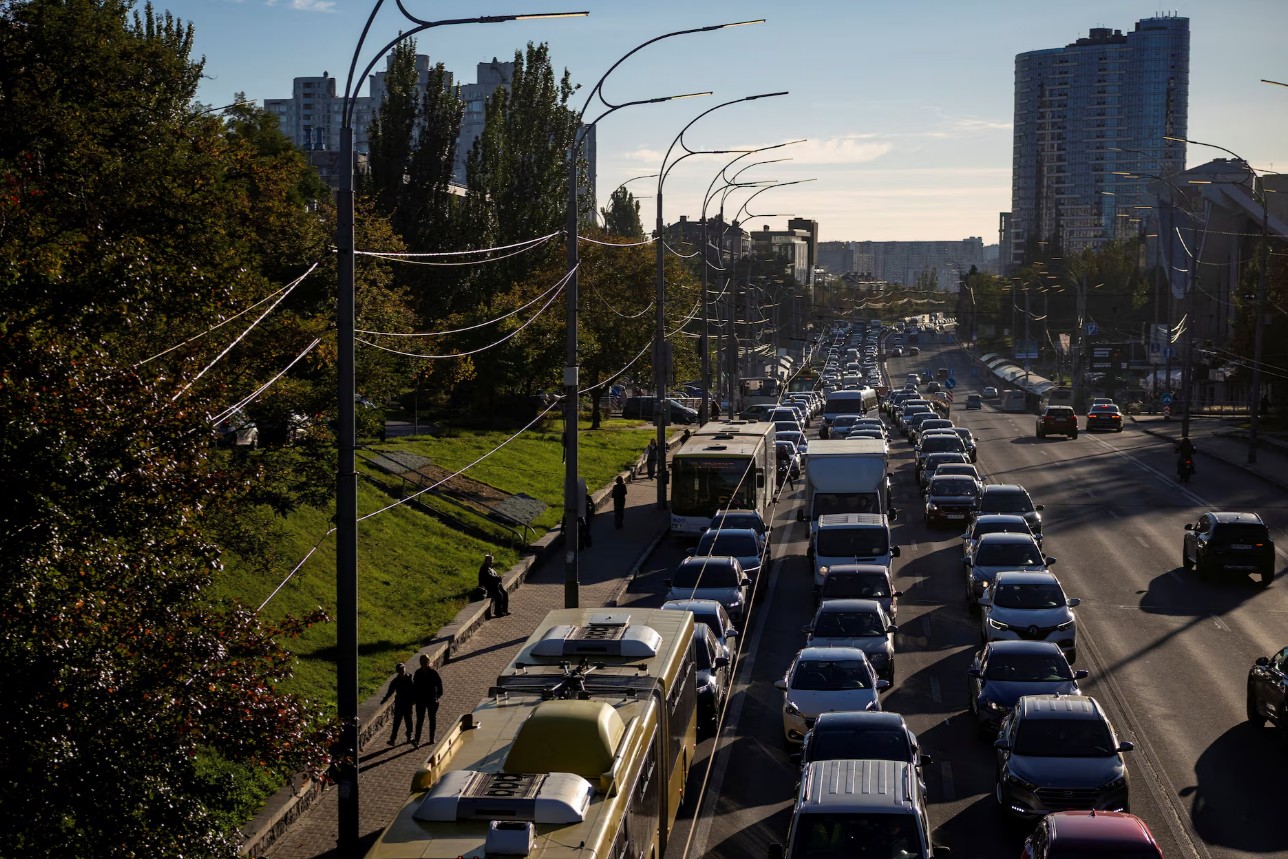
The extension of the ban for diesel and marine fuel producers is an attempt to maintain a balance between domestic stability and obligations under external contracts. On the one hand, the Cabinet of Ministers signals that the priority remains saturating the domestic market, especially ahead of the winter season.
On the other hand, the preservation of exceptions and the permitted volume of 2.15 million tonnes for November show that Moscow does not intend to completely close the export channel, including under agreements reached at the highest level. The key question remains how long this “semi-open” scheme will last: if the domestic market does not show signs of deficit, restrictions may be eased again after January; if the situation worsens, exceptions for producers may be revised.