PARIS (Realist English). On 5 November, several commercial flights in Europe received messages about planted bombs, leading to unscheduled landings and intercepts by military aircraft. According to DW, incidents occurred in France, Austria, Italy, Belgium and Bulgaria. According to RTVE, at least eleven aircraft were forced to make emergency landings.
Timeline and geography of incidents
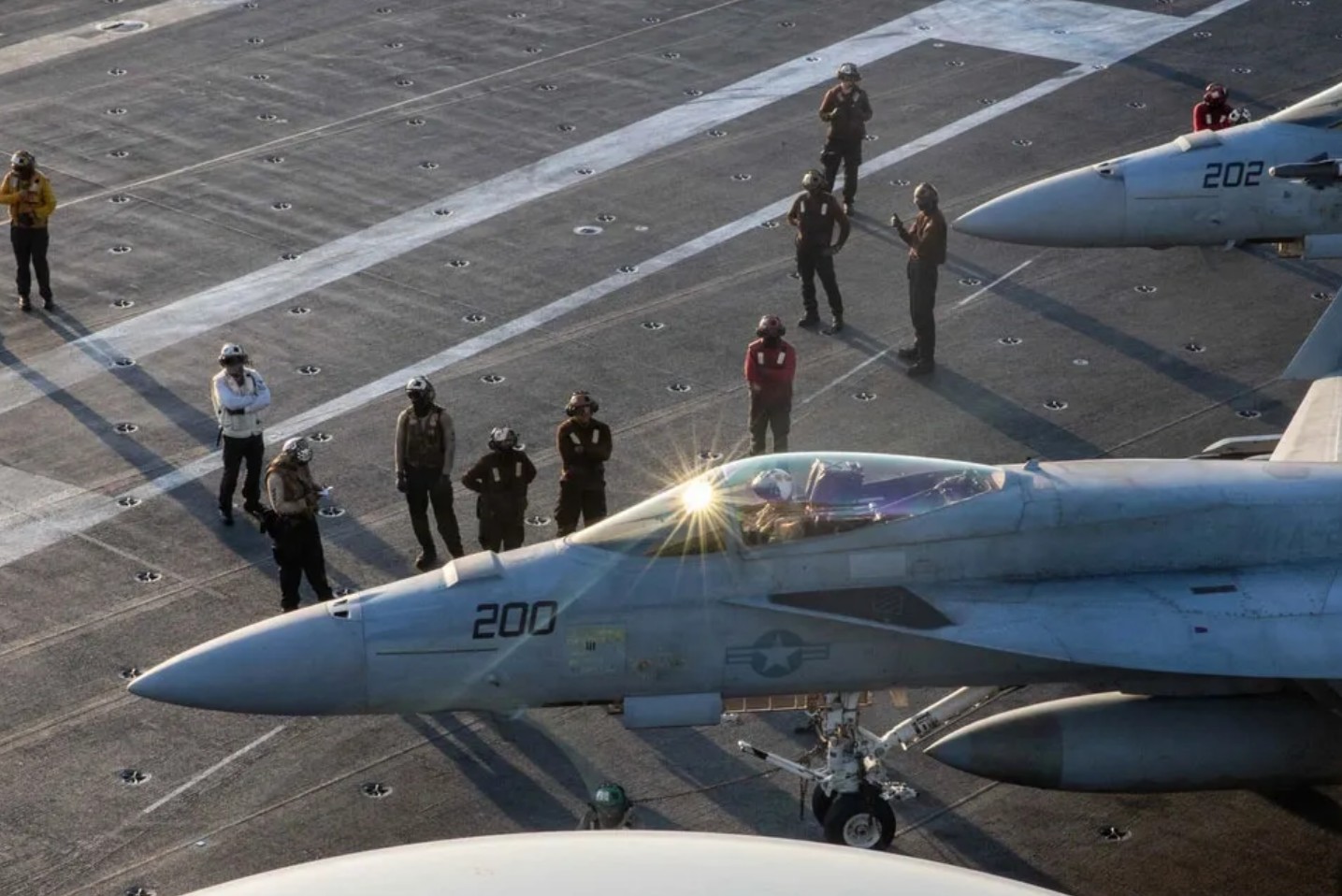
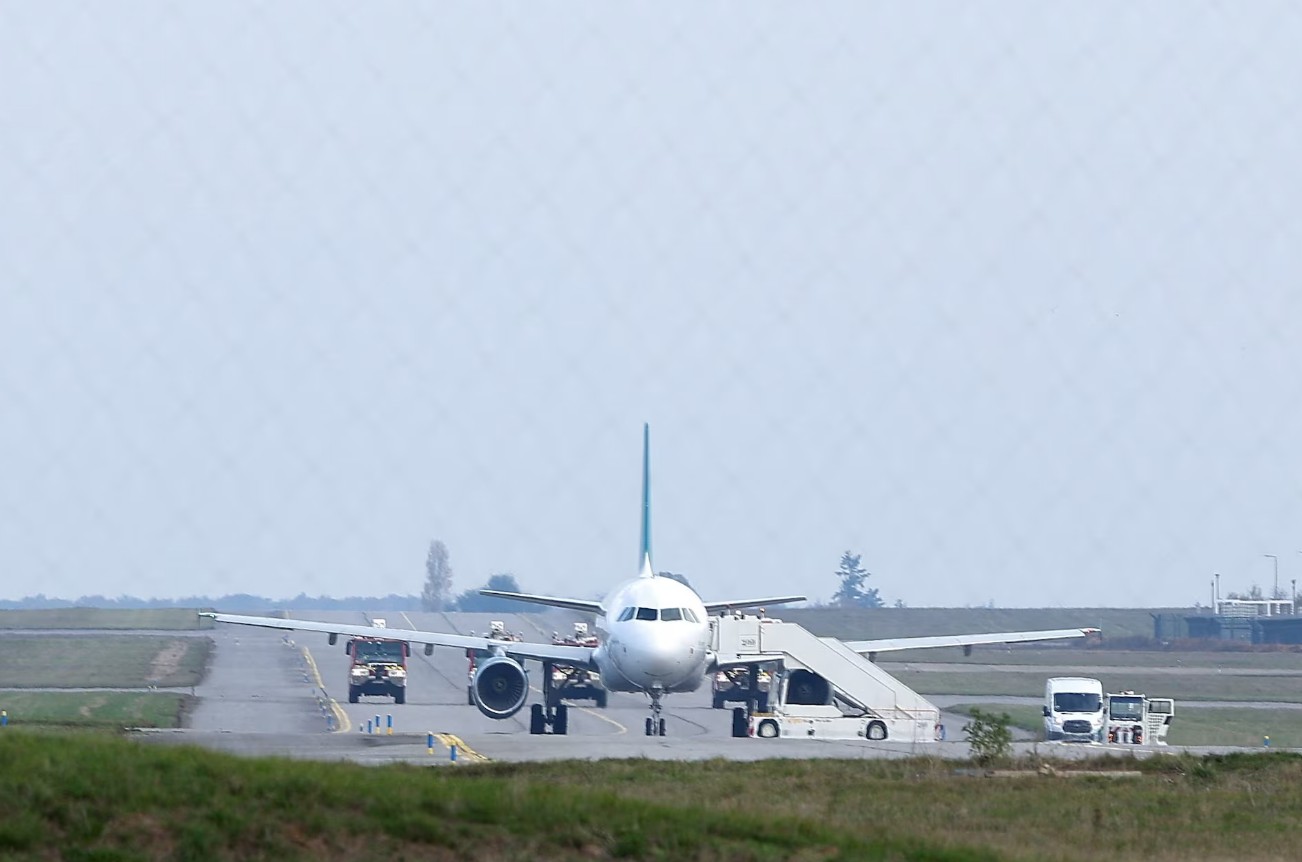
The first was flight EI-DEH of Aer Lingus from Dublin to Rome. The Airbus A320 was diverted to the Évreux military base 100 km west of Paris. On board were 151 passengers and six crew members; all were evacuated to a safe location, and bomb disposal experts began inspecting the airliner. According to Le Figaro, the aircraft was escorted on approach by a French Rafale fighter jet. French Prime Minister Sébastien Lecornu confirmed that the situation was under control.
In Belgium, flight LO235 of LOT Polish Airlines from Warsaw to Brussels landed at Zaventem airport after receiving a “suspicious message”; an airport spokesman confirmed the incident.
In Bulgaria, three emergency landings were recorded. Ryanair flights FR6410 (Madrid — Sofia) and FR3606 (Copenhagen — Sofia) landed in Sofia, while FR1730 (London Stansted — Sofia) was diverted to Plovdiv.
There were also reports concerning Finnair flights: an aircraft from Helsinki to Rome landed at its destination escorted by the Italian Air Force, and a flight to Vienna landed in the Austrian capital. A Wizz Air flight from Milan to Warsaw was diverted to Vienna. Czech police reported preparations for four landings in Prague, assessing the credibility of the threats as “low.”
Authorities’ response and the “hybrid attacks” version
In none of the cases were explosive devices found. However, the series of threats coincided with a series of other “hybrid” incidents in Europe: this week unknown hackers disabled refrigeration units in supermarkets in several countries, and in France a cyberattack was carried out on blood banks.
Officials did not attribute responsibility for the threats to any specific country, but, as The Nightly notes, the incidents occur against the backdrop of European officials accusing Russia and Iran of “hybrid attacks” and sabotage. Moscow and Tehran deny involvement in such a campaign.
The current wave of false bomb threats is already the second in a week: on 2–3 November, similar threats were received by at least seven flights and a cruise ship, leading to disruption of airport operations across Europe.
Although the specific perpetrators have not been identified, the pattern points to a coordinated campaign of low-cost and hard-to-attribute influence. The purpose of such attacks is not so much to cause physical damage as to provoke costly mobilisation of resources, disrupt logistics and sow fear among passengers.
The key question is whether European security services will be able to establish the source of the threats and whether this is part of a broader strategy of hybrid pressure, or the disparate activity of copycats.