WASHINGTON (Realist English). The Republicans’ rout in the midterm elections on 3 November, in which Democrats gained control of the House of Representatives and the Senate and candidates endorsed personally by Trump lost key races, triggered an immediate reaction within the party. On 4 November, Republican lawmakers, strategists and conservative figures publicly urged the administration to reconsider its course.
“He needs to clean house”: calls for a shake-up
The sharpest wording came from Republican Party veteran and strategist John Feehery. He called the results for Trump a “huge catastrophe” and said: “He needs to clean house. From this moment on, every day he becomes more and more of a lame duck.”
Similar calls came from a number of Republican strategists who demanded that Trump “shake up” the White House personnel, restore discipline and abandon the policies they hold responsible for the losses — primarily the war with Iran and trade tariffs.
Inside the White House, according to a senior official, the mood is grim. “It’s absolutely horrible here right now. Morale is as low as it can possibly be,” Reuters quoted the source as saying. According to him, internal polls warned of defeat six weeks before the elections, but Trump refused to change course on Iran despite warnings about the political consequences. “In the end, he simply didn’t care. He refused to listen to anyone.”
Rift in the tandem: Vance distances himself
The most telling signal of the weakening of Trump’s control over the party was the behaviour of Vice President JD Vance, who is seen as a likely political heir.
On 4 November, Vance effectively publicly blamed the war with Iran for the defeat, saying: “The reason we lost is the war. The president said so himself last night.” He also listed four points proposed by a Republican pollster to win voters back: ending the war, focusing on the cost of living, “America First” and changing relations with Israel.
Strategists and party officials note that such ruptures may become more frequent if Republicans conclude that Trump’s long-standing grip on the party electorate is weakening.
Trump’s stubbornness and the “relaxing” project
The president himself, however, shows no sign of treating the result as a reason to change course. “I don’t perceive this as a blow to myself,” he told Fox News on the evening of 3 November. In a Truth Social post he wrote: “I wasn’t on the ballot, and if I were, we would have won by a landslide!” He later acknowledged that the eight-month war with Iran hurt Republican candidates but defended his decision to start the conflict.
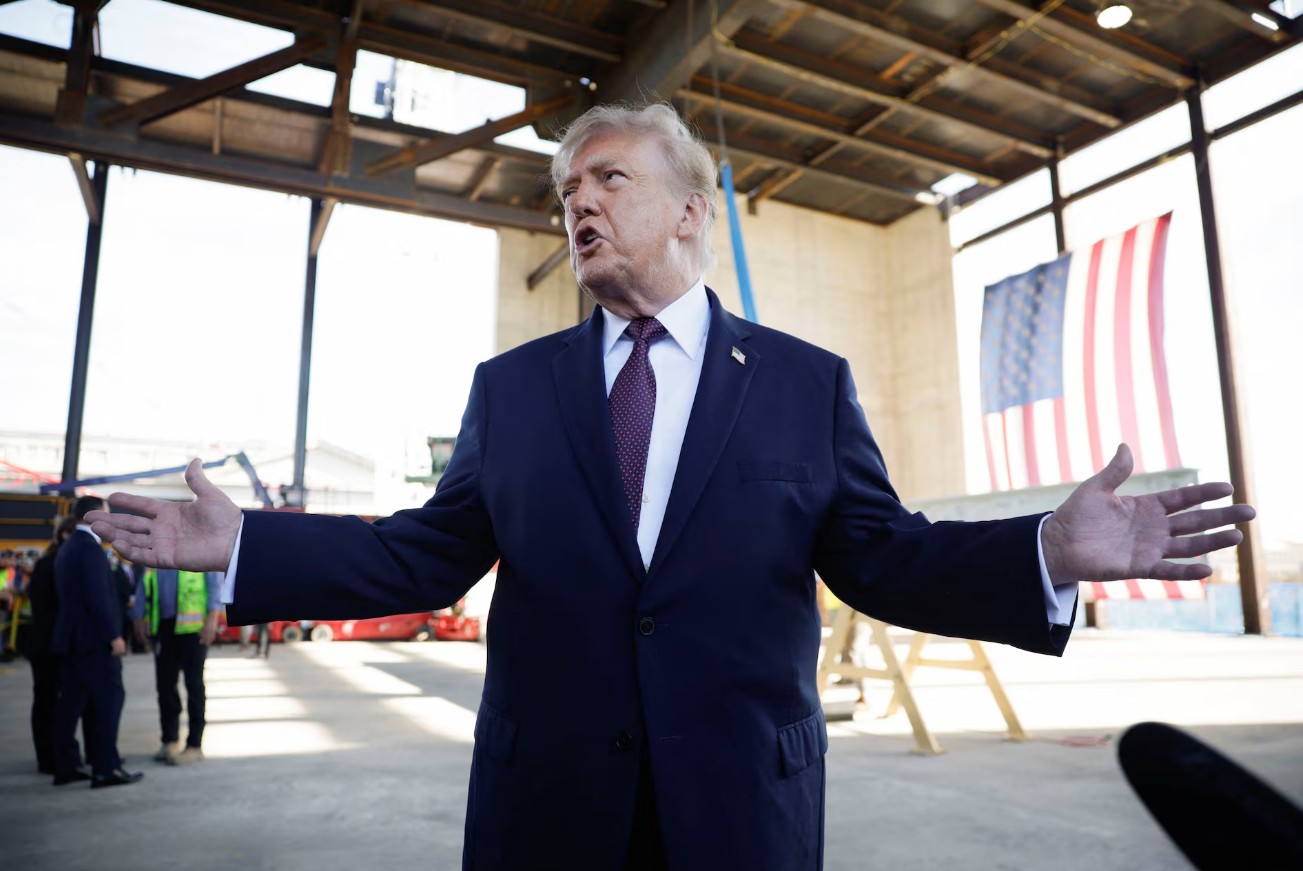
A telling contrast to the calls from fellow party members was Trump’s reaction to criticism of his preoccupation with construction projects in Washington. On 4 November he gathered journalists for an impromptu visit to the construction site of the new White House ballroom and defended the time he devotes to the project: “It relaxes me.” One Republican adviser warned: “If Trump spends the next two years talking about the same shit, we’ll get beaten again in the next elections.”
Broader party grumbling
Criticism extends beyond the circle of strategists. Nebraska Congressman Don Bacon condemned Trump’s sweeping tariffs, saying they had damaged Republicans in the Midwest. Kentucky Congressman Thomas Massie accused the party of betraying its campaign promises. Former Congresswoman Marjorie Taylor Greene, once a loyal Trump ally, said that to win in the future Republicans “will have to throw Donald Trump out of the party.”
Florida Governor Ron DeSantis, Trump’s former rival in the 2024 primaries, expressed pessimism about the party’s prospects: “It is very unlikely that Republicans will retake Congress in 2028. Maybe a chance at Senate control will not come until 2032.”
Calls to change course are not merely a reaction to an electoral setback but an indicator of a deeper shift: the defeat exposed the fragility of the coalition Trump built around his personality.
The war with Iran, the rising cost of living and the perception of the president as a man preoccupied with his own projects and legacy rather than the everyday problems of voters became the points at which even those who had recently been his unconditional allies began to distance themselves from Trump. Tellingly, the first to do so was Vance — a likely heir for whom preserving his own political prospects matters more than loyalty to a departing president.
However, the key question remains open: is Trump ready for a real change of course, or will his stubbornness, reinforced by a habit of relying on unilateral executive action, lead the party to start looking for an alternative long before 2028. The answer will determine not only the fate of the remaining two years of his presidency but also whether Trump’s control over the Republican Party persists — or whether the 2026 defeat will mark the beginning of its reformation without him.