DAMASCUS(Realist English). Syria is turning into a key land alternative route for Iraqi oil bypassing the Strait of Hormuz. Against the backdrop of the strait’s blockade due to the war with Iran, a transport corridor through Syrian territory to the Mediterranean port of Baniyas is rapidly taking shape.
Current emergency solution: the truck corridor
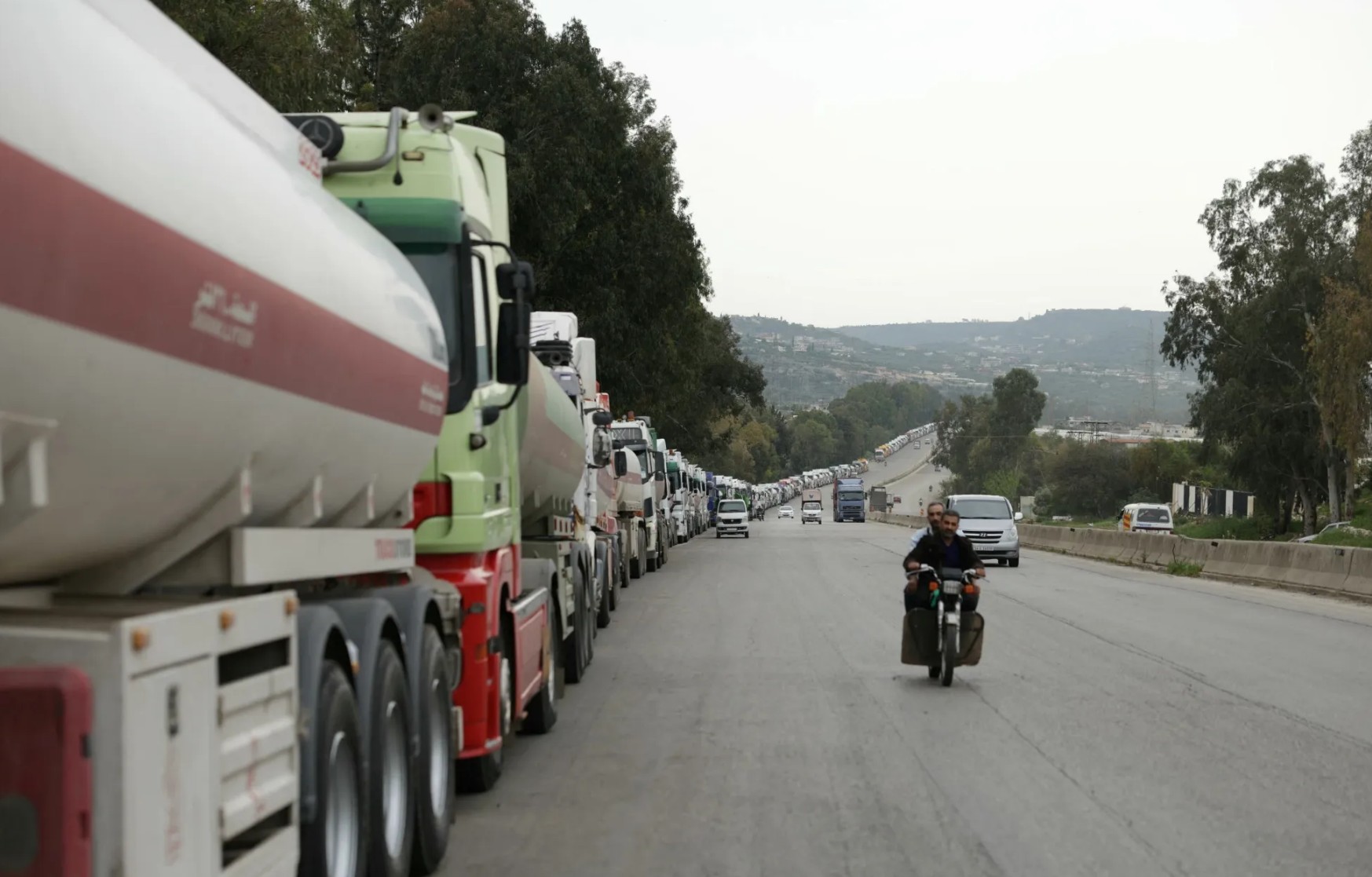
Since April 2026, a desert highway has been operating, connecting oil refineries in southern Iraq with the Syrian port of Baniyas. Currently, about 5,000 heavy-loaded oil tankers travel along this corridor daily.
Such a scale of transportation marks Syria’s return to the regional economic map as a transit energy country after 14 years of civil war.
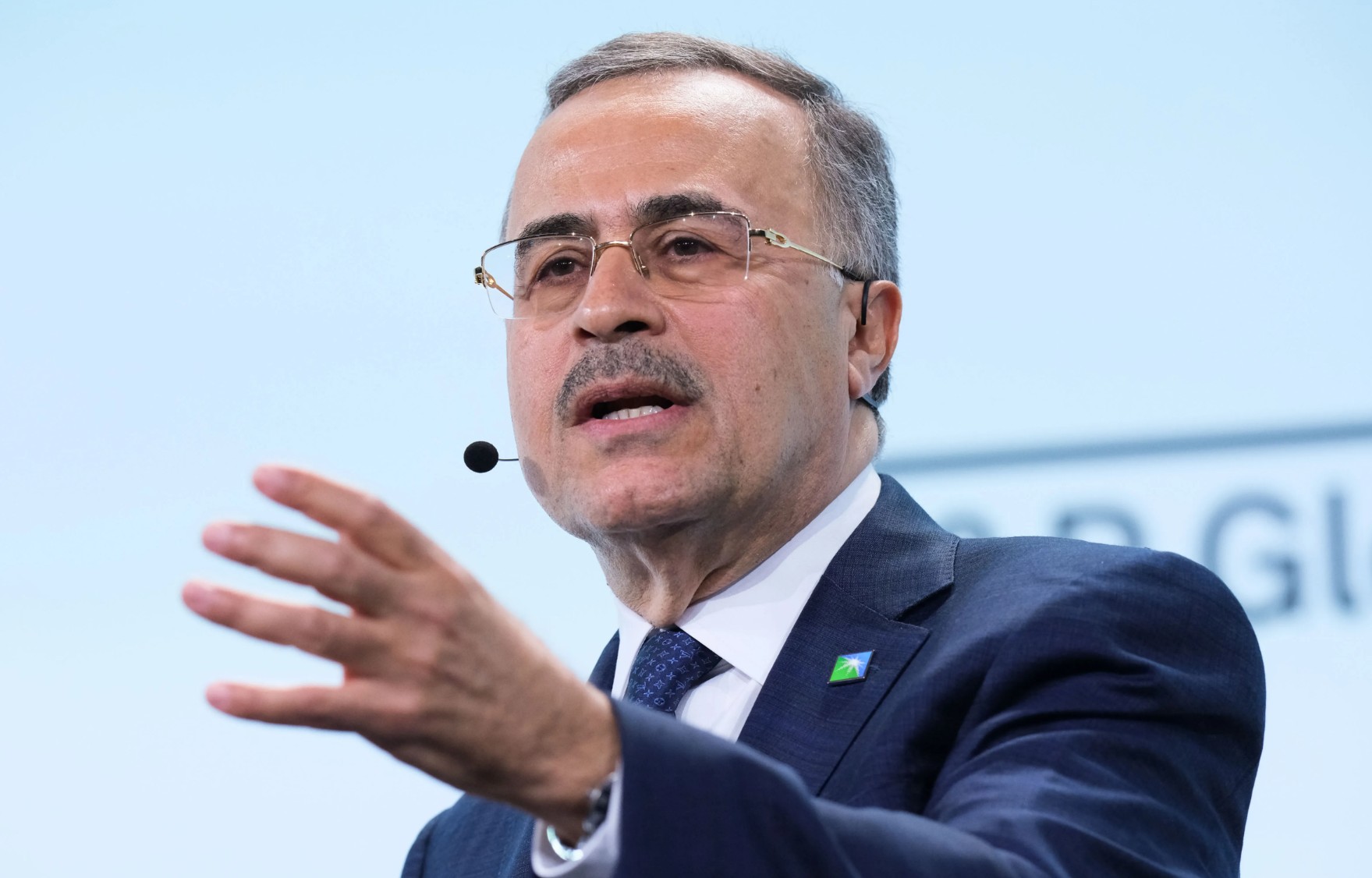
The General Director of the Syrian National Oil Company, Youssef Kibrawi, confirmed that the Iraqi government has officially asked Syria to facilitate crude oil exports in addition to existing fuel oil supplies.
Long-term solution: the Iraq-Syria pipeline project
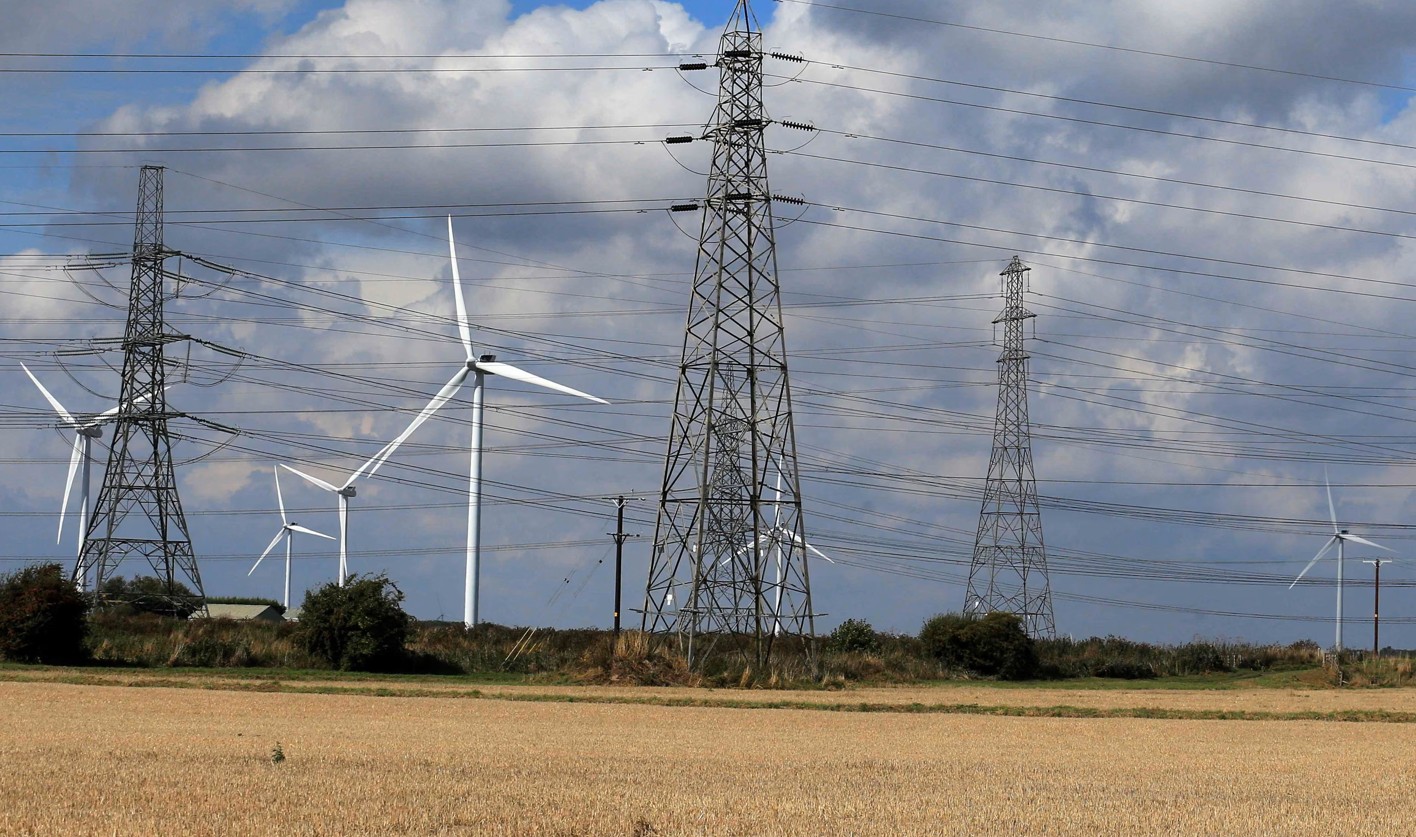
More strategically significant is the planned Basra-Haditha-Baniyas pipeline project. The pipeline will connect fields in southern and northern Iraq, pass through the western hub in the city of Haditha, and reach the Syrian Mediterranean port of Baniyas.
Key parameters of the project:
— Design capacity: about 2 million barrels per day. This significantly exceeds the capacity of the old pipeline of 300,000 barrels per day.
— Estimated cost: at least $15 billion.
— Construction period: about 4 years.
— Investors: a consortium led by American Chevron. It includes TI Capital and Qatari UCC Holding.
It should be noted that the existing Kirkuk-Baniyas pipeline was built in 1952. It was seriously damaged during the Iran-Iraq and Iraq wars. Since the 1980s, it has been practically unused.
Sources involved in the project directly state that the new project requires laying completely new infrastructure. The surviving sections of the old pipeline are incompatible by technical standards.
Strategic significance and alternative routes
The Syrian route is part of Iraq’s efforts to diversify exports. Before the war, 95% of Iraq’s oil exports depended on the Strait of Hormuz. 90% of state revenues came from oil. After the strait’s blockade, Iraq is forced to simultaneously promote several alternative routes:
— Syrian land (current): 5,000 trucks per day. Emergency solution, limited capacity.
— Syrian pipeline (planned): 2 million barrels per day. Construction in 4 years, cannot fully replace the strait.
— Turkish Ceyhan pipeline: target — 750,000 barrels per day. In August 2026, a one-year agreement was signed.
— Ship-to-ship transfer: 2 million barrels per batch. First operation — in October 2026.
US Treasury Secretary Scott Bessent stated that the pipeline project would make the Strait of Hormuz “irrelevant” within two years. Then 50–70% of the current volume of traffic through the strait could be redirected along land routes. However, the actual timelines reported by Reuters sources in the project — at least 4 years — differ significantly from this optimistic forecast.
Main challenges
Despite the clear strategic perspective, the project faces many obstacles.
Infrastructure gap: it is necessary to create a completely new pipeline system from scratch. The old pipeline cannot be reused.
Security risks: the pipeline will pass through western Iraq. It is mainly controlled by militias supported by Iran. Syria, although it has restored stability in most of its territory, is still subject to sporadic attacks by remnants of the “Islamic State.”
Scale of investment and timelines: $15 billion in initial investment and a 4-year construction period mean that the pipeline will not be able to alleviate Iraq’s export difficulties in the short term.
Competitive pressure: Kuwait and Qatar offer discounts of up to $35 per barrel for ship-to-ship transfer. This is significantly higher than Iraq’s 20-plus dollars. Iraq finds itself at a disadvantage among existing alternatives.
Syria is receiving strategic benefits from this energy crisis that exceed expectations. It ceases to be merely a victim of the conflict and becomes a key hub reshaping regional energy flows. But for Iraq, the Syrian route in the foreseeable future remains only a supplement, not a replacement. The shadow of the Strait of Hormuz will not dissipate any time soon.