
DUBAI (Realist English). The military conflict between the US and Iran has caused a sharp rise in demand for private bunkers and safe rooms in the Persian Gulf states. According to AFP, US-based Atlas Survival Shelters has recorded an unprecedented flow of requests from clients in Bahrain, Qatar, Kuwait and the United Arab Emirates.
Record demand and “perfect timing”
Company founder Ron Hubbard said the Dubai office opened on 26 February — 48 hours before the war began. “The irony is that we opened just when it allowed us to respond to demand,” he said. According to him, among the UAE clients there is an order for a bunker capable of ensuring survival for five years.
Hubbard described the current level of demand as “the highest in the company’s history.” Revenue over the next two months is expected to exceed the figures for the previous three years combined.
Price range: from $25,000 to millions
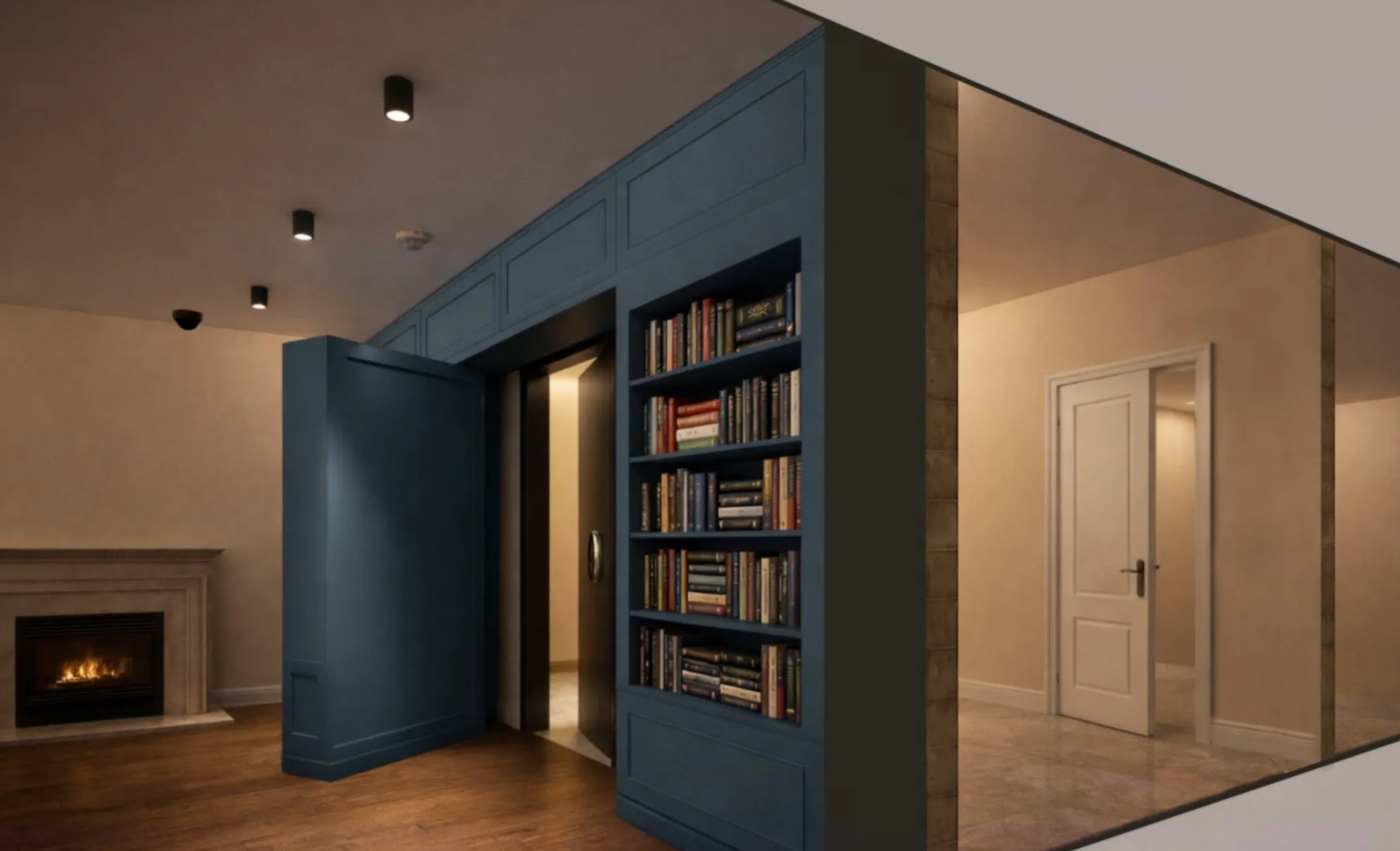
A basic bunker designed for four people and capable of withstanding a week underground, including protection from radiation and bombardment, starts at $25,000. Reinforced facilities designed for multi-year self-sufficient stay cost several million dollars — the price depends on food, water and energy supplies and the level of interior finishing.
Structurally, bunkers can be built from concrete on site or manufactured in Texas as metal modules and then delivered to the client. Standard equipment includes a hermetic door and a decontamination chamber for removing radioactive contamination.
New threats: the “dirty bomb” and civil unrest
British bunker specialist Paul Weldon of The Panic Room Company noted that the nature of requests has changed: whereas clients previously wanted protection from burglars, they now ask about protection from a “dirty bomb.” “If a dirty bomb goes off and you are downwind, you want to be breathing clean air in your safe room,” he explained.
According to him, demand from companies in Dubai and Kuwait has doubled since the start of the war, with up to five requests from different firms in these countries arriving in some weeks. Weldon also noted that there are now more “serious buyers with ready budgets” among those inquiring.
As observers note, the key feature of the situation is the transfer of survival logic from active combat zones to the relatively stable Gulf states.
Whereas previously the main buyers of bunkers were private individuals in the US and Israel, orders now come from corporations and wealthy residents of the UAE, Qatar and Kuwait who are not on the front line but fear escalation or the use of non-conventional weapons.
For the protective structures market, the immediate effect will be most noticeable primarily in order fulfilment times and in manufacturers’ ability to scale supplies through local licences — and that is precisely where it is most sensitive for the region’s readiness for possible escalation scenarios.