WASHINGTON (Realist English). As the US and Iran exchange strikes for a tenth consecutive night, American intelligence agencies have reached a conclusion unwelcome to the White House: military pressure will not force Tehran to change its position.
According to a new report prepared primarily by the CIA, the Iranian government is “unlikely to feel significant impact or soften its negotiating stance” as a result of the new wave of US airstrikes.
At the same time, diplomatic efforts to salvage the shattered ceasefire continue. Iranian Interior Minister Eskandar Momeni arrived in Islamabad for talks with Pakistani leadership — one of the key mediators in the conflict.
Pakistan and Qatar have proposed a 10‑day ceasefire and a return to positions that existed before July 9, when the new round of hostilities began.
CIA Report: “Iran Will Not Surrender”
US intelligence analysts have concluded that Tehran and Washington are at an impasse, stuck between war and peace. Despite intensified US military strikes, the Islamic Revolutionary Guard Corps (IRGC) has no intention of capitulating to White House demands.
Key findings of the report:
- Iran is demonstrating “staying power,” despite the loss of many senior leaders and a significant portion of military equipment in US and Israeli strikes.
- The assessment has been conveyed to the Trump administration.
- Analysts predict a prolonged confrontation between Tehran and Washington.
As the Washington Post notes, citing current and former US officials, the new wave of strikes is unlikely to have a significant impact on the Iranian government or force it to soften its stance.
Tenth Night of Bombings: War of Attrition
US Central Command (CENTCOM) completed a tenth consecutive night of airstrikes on Iranian targets on the morning of July 21. President Trump called these strikes a response to the deaths of two US service members in an Iranian attack on a Jordanian air base on Friday.
Total US losses since the start of the war, now nearly five months old, have reached 18 service members killed. Over the past two weeks, nearly 100 US troops have been wounded. The Pentagon said the vast majority of the injured suffered only mild concussions, and 96% have already returned to duty.
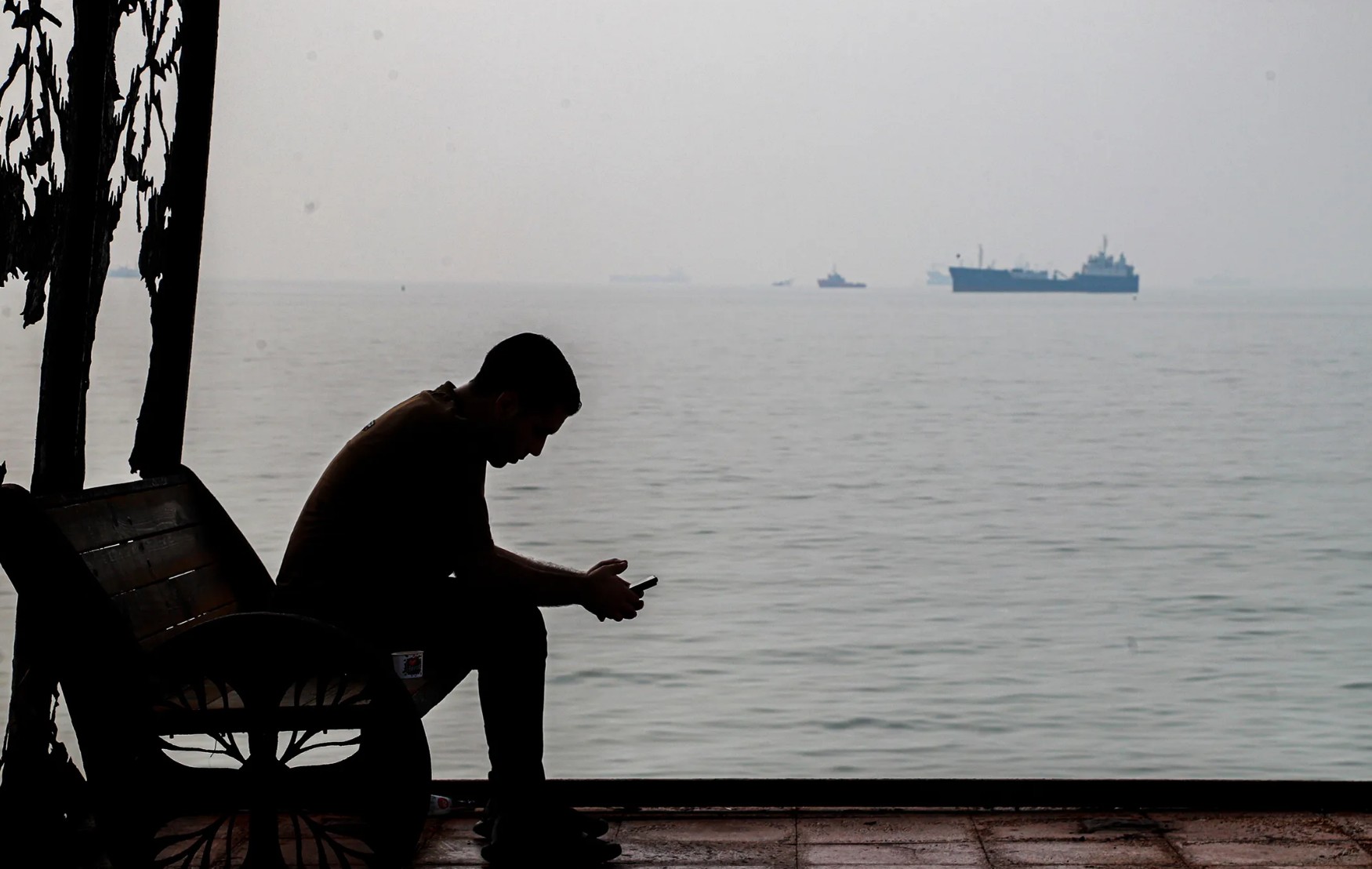
Ten consecutive nights of airstrikes have not forced Tehran to loosen its grip on the Strait of Hormuz, through which about a fifth of the world’s oil and gas passes in peacetime. Hostilities are expanding: both sides are striking civilian infrastructure on which millions depend.
Diplomatic Demarche in Islamabad: 10‑Day Ceasefire on the Table
While bombings continue, diplomats are not giving up efforts to stop the war. Iranian Interior Minister Eskandar Momeni arrived in Islamabad on Monday for two‑day talks with Prime Minister Shehbaz Sharif and Pakistan’s Army Chief Field Marshal Asim Munir.
Pakistan and Qatar, leading the mediation efforts, put forward a joint proposal:
- A 10‑day ceasefire to resume negotiations.
- A return to positions that existed before July 9, when the new round of hostilities began.
- Resolving ambiguities and eliminating “unclear wording” in the June memorandum of understanding that led to conflicting interpretations by the US and Iran.
As Iranian Foreign Ministry spokesman Esmaeil Baghaei said, Tehran has received “ideas from some mediators.” Diplomatic channels with the US through mediators remain active despite the ongoing strikes.
However, the White House has made it clear that Trump is currently focused on “punishing” Iran for attacks on vessels in the strait, and strikes will continue until the president chooses a different course.
Economic Consequences: Oil Above $90, Gasoline at $4 a Gallon
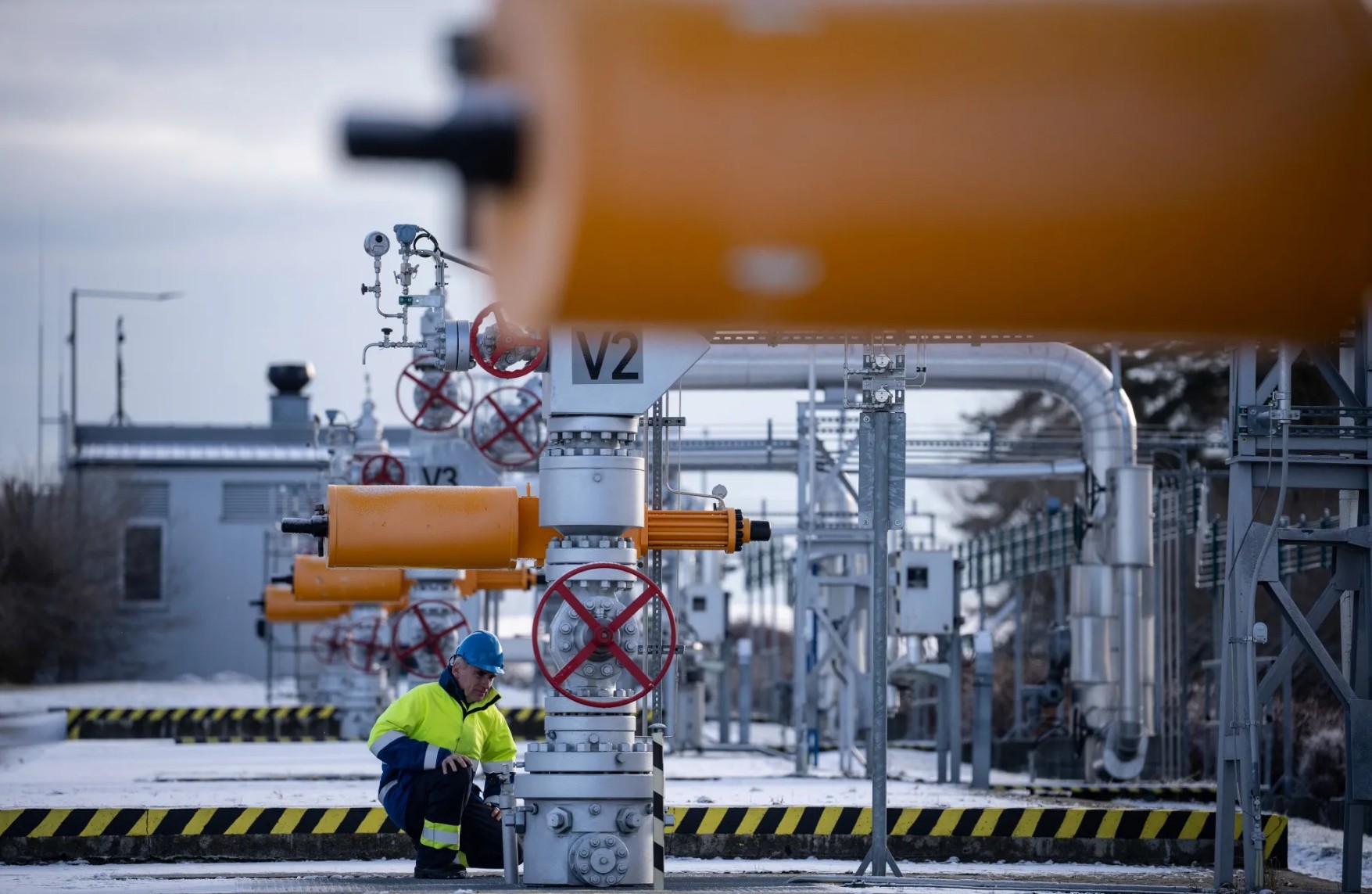
The escalation is already hitting consumers’ wallets. Benchmark Brent crude was trading at nearly $90 a barrel on Tuesday. Regular gasoline in the US has risen to $4 a gallon, adding pressure on American voters ahead of the autumn midterm elections.
Additional threats come from Iran‑backed Yemeni Houthis. On Monday, they announced a naval blockade of Saudi Arabia, threatening the flow of millions of barrels of oil that the kingdom exports through the Red Sea.
The State Department has issued a fresh warning for US citizens: “Iran and Iran‑backed groups may strike other US interests abroad or in places connected to the United States and Americans worldwide.”
The US‑Iran conflict has entered a dangerous phase. Intelligence warns that military pressure will not lead to Tehran’s capitulation, and mediators fear that the protracted standoff could escalate into an endless war of attrition with serious consequences for the global economy, supply chains, and energy prices.
As analysts note, the two sides are stuck between war and peace. The question is whether diplomacy — and the 10‑day ceasefire proposed by Pakistan and Qatar — can prevent a slide into full‑scale conflict, or whether the ninth and tenth nights of bombings will prove to be only the beginning of a long and bloody campaign.