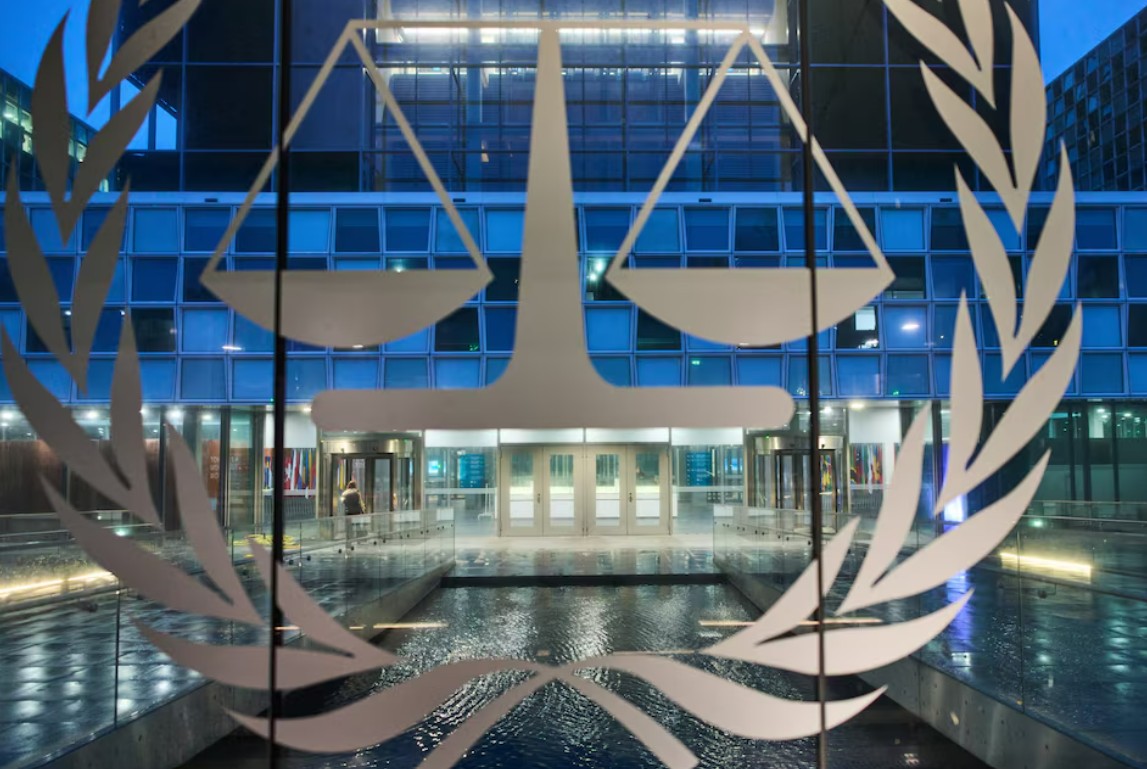
BRUSSELS (Realist English). The European Parliament has awarded the 2026 Sakharov Prize for Freedom of Thought to the International Criminal Court (ICC) and its staff. The announcement was made on Thursday, October 22, by European Parliament President Roberta Metsola.
What happened
The prize, established in 1988 in honor of Soviet physicist and dissident Andrei Sakharov, is awarded annually for the protection of human rights and fundamental freedoms. In 2026, the choice fell on the ICC — the world’s first permanent international criminal court, which handles cases of genocide, war crimes, crimes against humanity, and aggression. The monetary component of the prize is €50,000.
“The European Union is built on respect for multilateralism and international institutions. By awarding the Sakharov Prize to the International Criminal Court and its staff, the European Parliament recognizes the court’s important work in protecting international law and justice,” Metsola said.
US sanctions
The decision was made two weeks after, on October 9, the administration of US President Donald Trump announced large-scale sanctions against the ICC. The sanctions froze the court’s assets under US jurisdiction, banned American companies and citizens from doing business with the ICC, and set a six-month deadline for terminating existing contracts. According to Politico, it was after this step that the group of Socialists and Democrats in the European Parliament nominated the ICC for the prize.
The European Parliament has repeatedly expressed “deep concern” over the wave of sanctions against the ICC, its prosecutors, judges, and partners, calling them “serious attacks on the international justice system.” MEPs urged the European Commission to activate the EU’s “blocking statute” to protect court staff from extraterritorial pressure.
Reaction
ICC President Tomoko Akane welcomed the award, stating that it “comes at a time when the court and its staff are facing unprecedented challenges.” “In a world marked by growing conflicts, there is no peace without justice and no security without law,” AFP quoted her as saying.
Other finalists
Besides the ICC, the shortlist included Tanzanian opposition politician and human rights defender Tundu Lissu, as well as sisters Taraneh and Romina Rahimi, who were sentenced to death in Iran for participating in protests.
Awarding the Sakharov Prize to the ICC is not just an annual recognition of achievements in human rights. It is a direct political demonstration: the European Parliament publicly sided with the court at a moment when its existence is being undermined by sanctions from Washington.
For Brussels, this is a way to reaffirm its commitment to multilateral institutions and international law — principles that the Trump administration consistently calls into question. For the ICC, it is a signal of support that, however, does not negate the practical consequences of sanctions: restrictions on dollar transactions and work with American technologies.
For Russia, which has not ratified the Rome Statute and does not recognize the ICC’s jurisdiction, the award is unlikely to change its position, but it reinforces the context in which Moscow views the court’s actions as politically motivated.