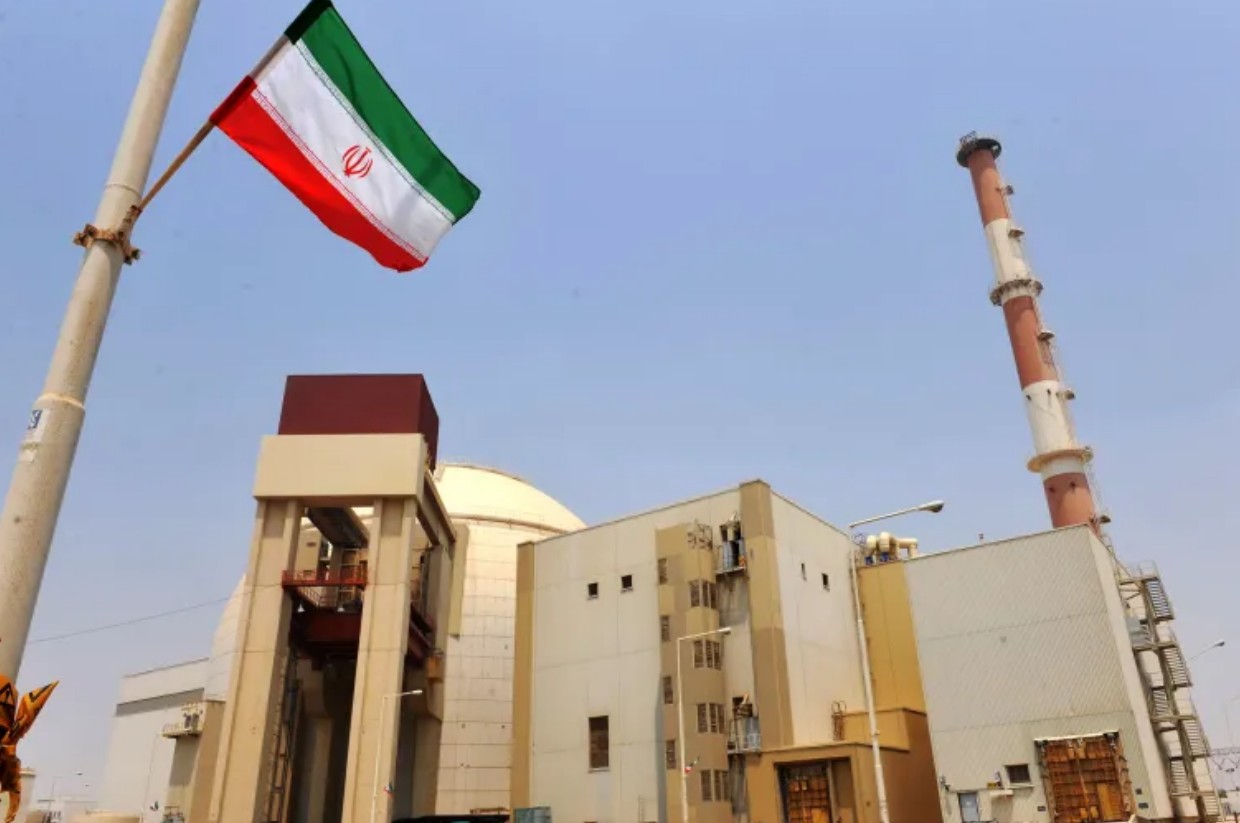
LONDON (Realist English). The Iranian government stated that it will not make any concessions on its nuclear program, including the right to enrich uranium or the removal of highly enriched uranium from the country. This statement came amid the resumption of indirect dialogue between the US and Iran through mediators, where the nuclear issue remains the key obstacle to reaching an agreement.
The Plan and Conditions
Iranian Foreign Minister Abbas Araghchi, on the sidelines of the UN General Assembly, proposed a plan: if the US fulfills certain conditions, the Strait of Hormuz will be reopened within seven days, and regional hostile actions will be suspended.
The plan requires the US to lift the naval blockade of Iranian ports, unfreeze at least $12 billion in frozen assets, and lift sanctions on Iranian oil.
Araghchi stated: “If the American side is sincerely intent on reaching an agreement and reopening the Strait of Hormuz, everything is already ready now.” He added that if the US agrees, the parties can begin broader discussions on “mutually agreed topics,” which may include Iran’s nuclear program.
Standoff on the Nuclear Issue
However, the parties’ positions on the nuclear issue remain sharply opposed. A senior Iranian official clearly stated that Iran will not make any concessions on nuclear rights. Trump, in turn, insists that Iran will never obtain nuclear weapons and demands verifiable concessions from Iran on its nuclear program.
Iranian President Pezeshkian, in an interview with Fox News, stated that Iran “absolutely does not” want nuclear weapons and is ready, within the framework of international law, to dilute its 60% enriched uranium stockpiles and accept inspections. But he simultaneously emphasized that Iran will not accept “bullying or coercion.”
Prospects for Negotiations
The Wall Street Journal reported that Trump rejected the Iranian plan and told aides that he expects the resumption of bombing of Iran after the midterm elections in November. However, one American official stated that discussions through mediators are “active and constructive.”
The latest report from the International Atomic Energy Agency (IAEA) shows that since the start of strikes on February 28, 2026, the agency has lost continuity of knowledge about nuclear material stockpiles at all declared Iranian nuclear facilities. Iran has suspended the provisional application of the Additional Protocol since February 2021, so the IAEA cannot conduct additional inspections.