BEIRUT (Realist English). On May 31, the Israel Defense Forces (IDF) announced that it had taken control of the medieval Beaufort Castle (Qalaat al‑Shaqif) in southern Lebanon. This marks the deepest advance of Israeli troops into Lebanese territory in the past 26 years and signifies an escalation of the ground operation against the Shiite movement Hezbollah.
Strategic Symbol
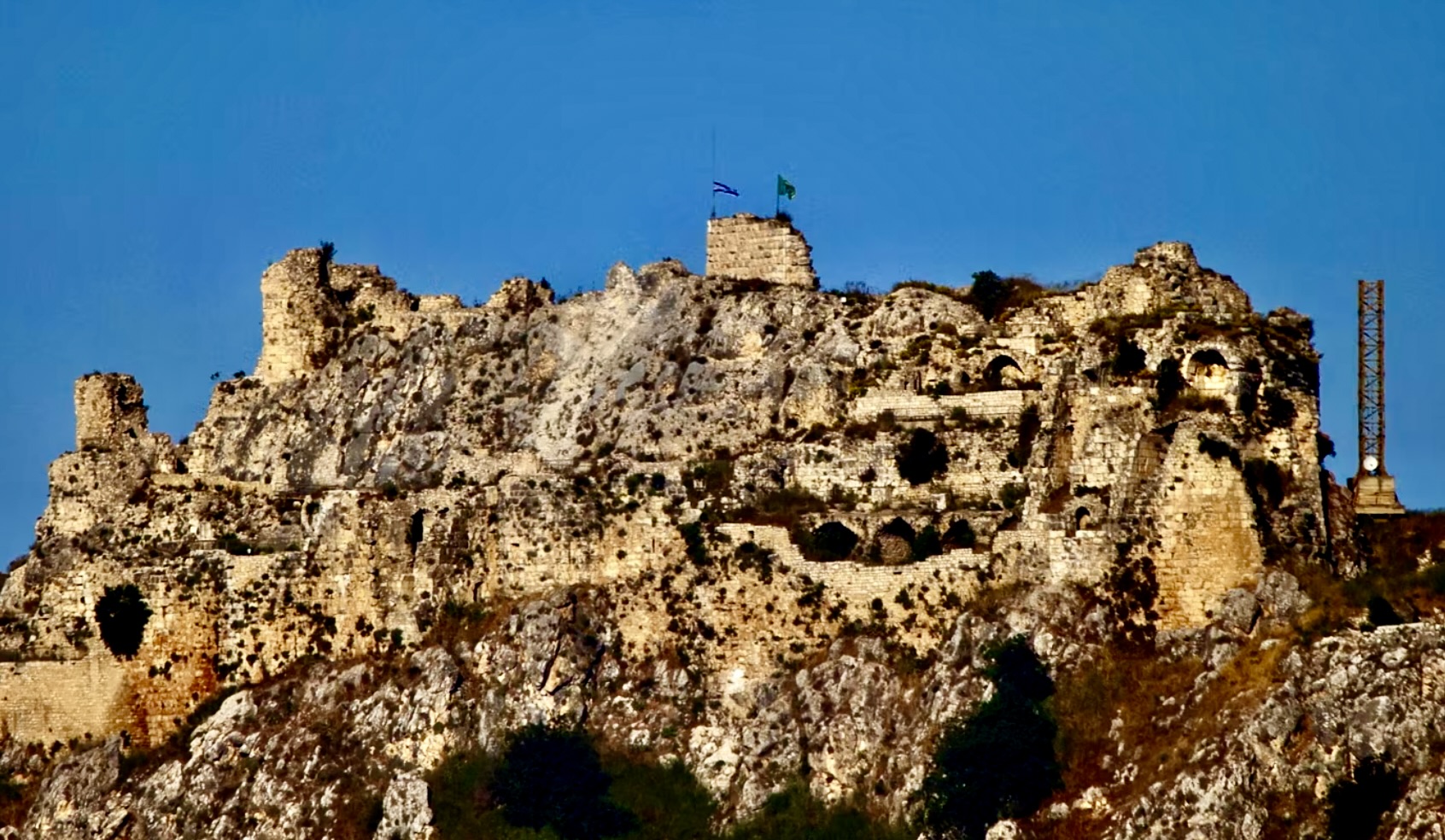
Beaufort Castle, built by the Crusaders in the 12th century, is located on a strategic hill north of the Litani River, approximately 14.5 km from the Israeli border. In the past, it served as a stronghold for Israeli forces during the occupation of southern Lebanon (1982–2000), and after their withdrawal it became a Hezbollah outpost.
Israeli Defense Minister Israel Katz said that Israeli soldiers had raised the national flag and the banner of the Golani Infantry Brigade over the castle, adding that Beaufort was captured exactly 44 years after the IDF first entered it during the First Lebanon War (1982).
“This is a clear signal to our enemies: those who threaten Israeli citizens will, one by one, be stripped of their strategic assets,” Katz wrote on X, noting that the campaign against Hezbollah is not yet over.
Capture of a Strategic Height
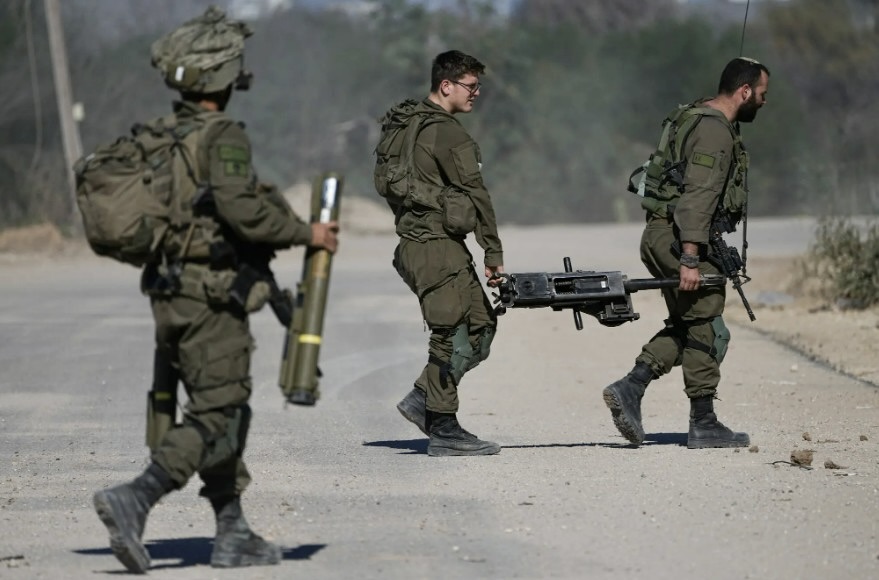
The capture of the castle was preceded by several days of fierce fighting. The IDF stated that after a week of intensive preparation and reconnaissance, its units launched an assault on the Beaufort ridge and the Wadi Saluki river valley. They managed to cross a bend in the Litani River and expand the combat zone north of it.
The IDF command explained that the operation was aimed at destroying Hezbollah’s Iranian‑backed infrastructure, eliminating militants and strengthening operational control over southern Lebanon. According to Israeli military sources, the captured area is of key importance because it was used to command combat operations against Israel and to carry out numerous shellings.
“Dramatic Shift”: Netanyahu Orders Operation Expanded
Following the capture of the castle, Prime Minister Benjamin Netanyahu said in a video address that he had ordered the military to “deepen and expand” control over territories previously held by Hezbollah.
“The capture of Beaufort is a dramatic stage and a dramatic shift in our policy,” Netanyahu said, noting that Israel had “broken the barrier of fear.” He added that Israeli forces had already crossed the Litani, seized commanding heights and intended to create security zones outside the state’s borders to protect its northern communities.
According to Israeli figures, since the start of the multi‑front conflict in October 2023, about 8,000 Hezbollah militants have been eliminated, of which 3,000 since the start of the operation against Iran on February 28, 2026, and about 700 in the last month alone.
International Reaction and Humanitarian Situation
Concurrently with reports of the castle’s capture, news emerged of an Israeli strike near a hospital in the city of Tyre, about 25 km from the border. According to the Lebanese Health Ministry, 13 hospital employees were injured in the attack.
French Foreign Minister Jean‑Noël Barrot said that Paris had requested an emergency UN Security Council meeting over the “deepening occupation” of Lebanese territory by Israeli forces. Lebanese Prime Minister Nawaf Salam accused Israel of pursuing a “scorched‑earth policy and collective punishment” in the south of the country and called on the international community to intervene.
Meanwhile, Israeli Arabic‑language spokesman Avichay Adraee issued an appeal to residents of southern Lebanon, urging them to evacuate immediately north of the Zahrani River (about 40 km from the border), declaring the entire southern area a zone of active hostilities.
Conflict Continues Despite Ceasefire
The IDF offensive continues despite the fact that as early as April 17 the sides had agreed to a ceasefire. Both sides accuse each other daily of violating the truce.
In response to Israeli actions, Hezbollah claims to be carrying out attacks using rockets and drones against Israeli military installations and northern Israeli communities. On May 31, air raid sirens sounded in Acre and the Haifa area.
Fighting on the Lebanese front began on March 2, 2026, when Hezbollah launched massive rocket barrages at Israel in response to joint US‑Israeli strikes on Iran. Since then, the conflict has led to hundreds of civilian casualties and the forced displacement of tens of thousands of people in southern Lebanon.