WASHINGTON (Realist English). The Reuters investigation sheds light on the mechanism that allowed a private trading company to gain access to Venezuelan oil bypassing standard procedures. The story begins with a meeting between US Vice President JD Vance and Vitol trader John Addison in late December 2025 at the ultra-exclusive Yellowstone Club resort in Montana — about a week before the US invasion of Venezuela.
How it began: the Montana meeting and the oil question
According to Reuters sources, Vance and Addison discussed Venezuela. The vice president “was especially interested in how quickly Venezuelan oil could be sold if the US hypothetically gained control over the country’s reserves.” Addison assured Vance that Vitol was “uniquely positioned” to fulfil this task. Both Vance’s office and Addison later denied the meeting took place, calling reports of it fiction.
The key call: 5 January
Two days after the operation that removed Nicolás Maduro, US Energy Secretary Chris Wright called Addison in Houston. As the trader himself admitted, he expected to hear a “market update,” but “the call went differently.” Wright proposed that Vitol handle the sale of Venezuelan oil to finance the political transition. Within days, Vitol and its competitor Trafigura received special licences.
Why Addison: the role of the recommendation
Addison, 48, was not an obvious candidate for such a call. He was a senior trader, not a regional director of Vitol, and specialised in US gasoline rather than Latin American oil.
However, according to Addison himself, Vance had earlier told Secretary Wright that Addison was a “reliable person” in the energy industry. A US official, speaking on condition of anonymity, confirmed to Reuters that such a conversation took place at least a year before the January call.
Official position and Congressional questions
The US Department of Energy insists that Vance and Wright “never discussed Venezuelan oil sales” and that Vitol was chosen because it is “the world’s largest trader of energy commodities and raw materials.”
However, the Reuters investigation has raised a new wave of questions among Democrats in Congress. Robert Garcia, the senior Democrat and incoming chairman of the House Oversight Committee, said: “New reports that JD Vance met with a senior Vitol trader before Maduro’s capture raise even more questions about who knew what and when.”
Scale of profit
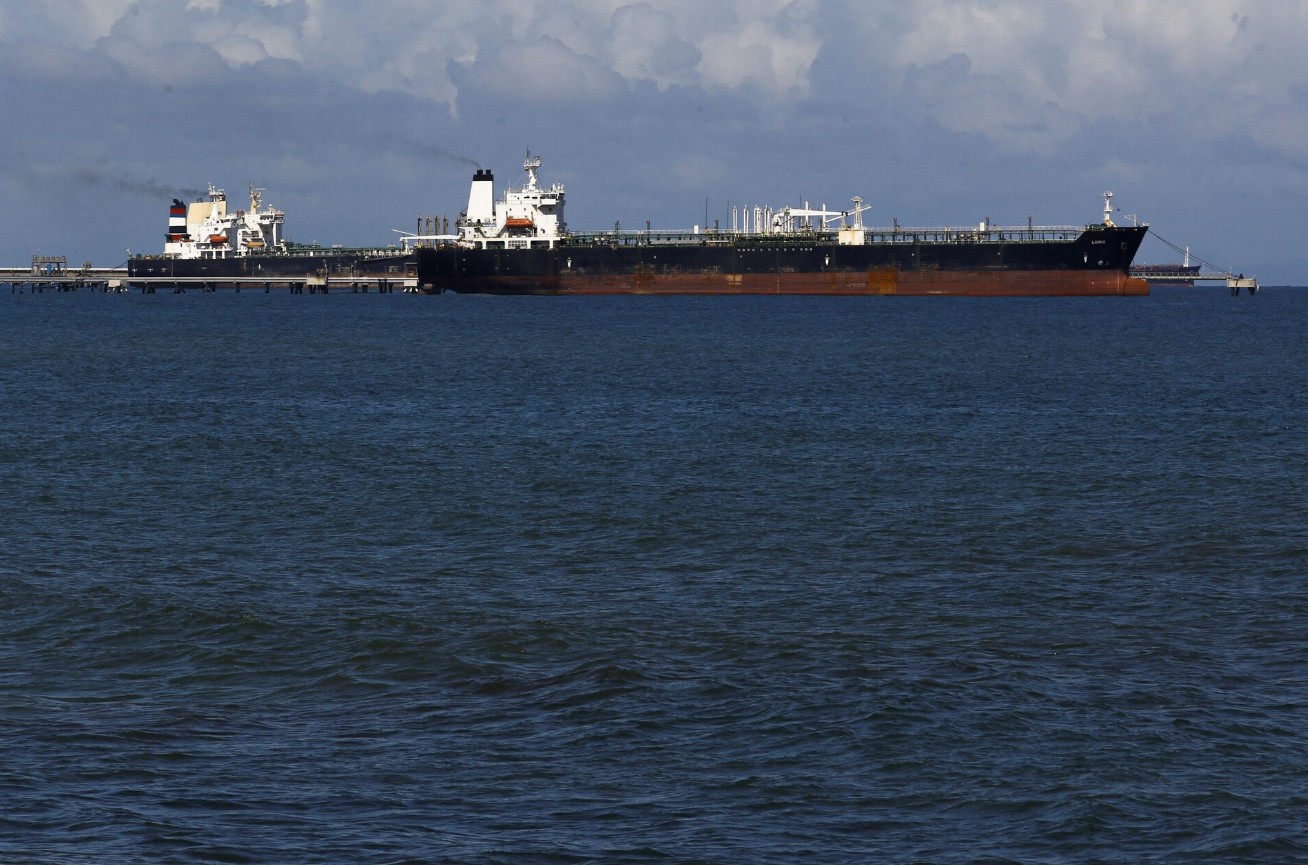
Vitol and Trafigura, according to expert estimates, earn between $3 and $3.50 on each barrel of Venezuelan oil, corresponding to a margin of 3.5–4%. Given that the country exported more than 200 million barrels this year, this could mean hundreds of millions of dollars in profit. For comparison, Vitol’s operating margin over the past three years was 1–3%.
This story is not just about lobbying. It exposes how informal channels of influence operate in the new administration. The standard competitive bidding procedure was skipped, and the decision, according to Reuters, was made on the basis of personal trust rather than institutional criteria.
The Trump administration explains the haste by the need to stabilise Venezuela’s economy, but for critics this sets a dangerous precedent: access to government contracts may be determined not by transparency but by proximity to power. The key question is whether the Reuters investigation will be followed by Congressional hearings, or whether the story will remain another episode illustrating the blurring of lines between business and politics.