BRUSSELS (Realist English). Publicly, European leaders continue to speak of support for Ukraine on its path to the EU, but in private conversations with Reuters, diplomats and officials from more than a dozen member states express serious doubts. “You go around and realize that, in many countries, politicians don’t expect Ukraine to join in the next 10 years,” the agency quotes Gerald Knaus, chairman of the European Stability Initiative think tank.
Diplomats’ skepticism: “not expected in the next 10 years”
Back in March, Reuters reported that a number of EU countries, including France and Germany, were resisting Ukraine’s accelerated accession. German Chancellor Friedrich Merz then stated directly that Ukraine’s membership before 2027 was impossible.
In February, EU Enlargement Commissioner Marta Kos confirmed that, under the current methodology, Ukraine would not be able to join the EU by 2027. The goal set by Volodymyr Zelensky was called “unrealistic” by Reuters experts.
Falling public support
According to an October survey by the Bertelsmann Stiftung, only 47% of EU residents believe that Ukraine should join the union in the coming years. In March 2022, this figure was 69%. In France and Poland, 57% of respondents are opposed. In Germany, 59% are opposed.
The decline in public support increases political pressure on governments, especially in countries where populist parties skeptical of EU enlargement are gaining influence.
The agricultural issue and populists
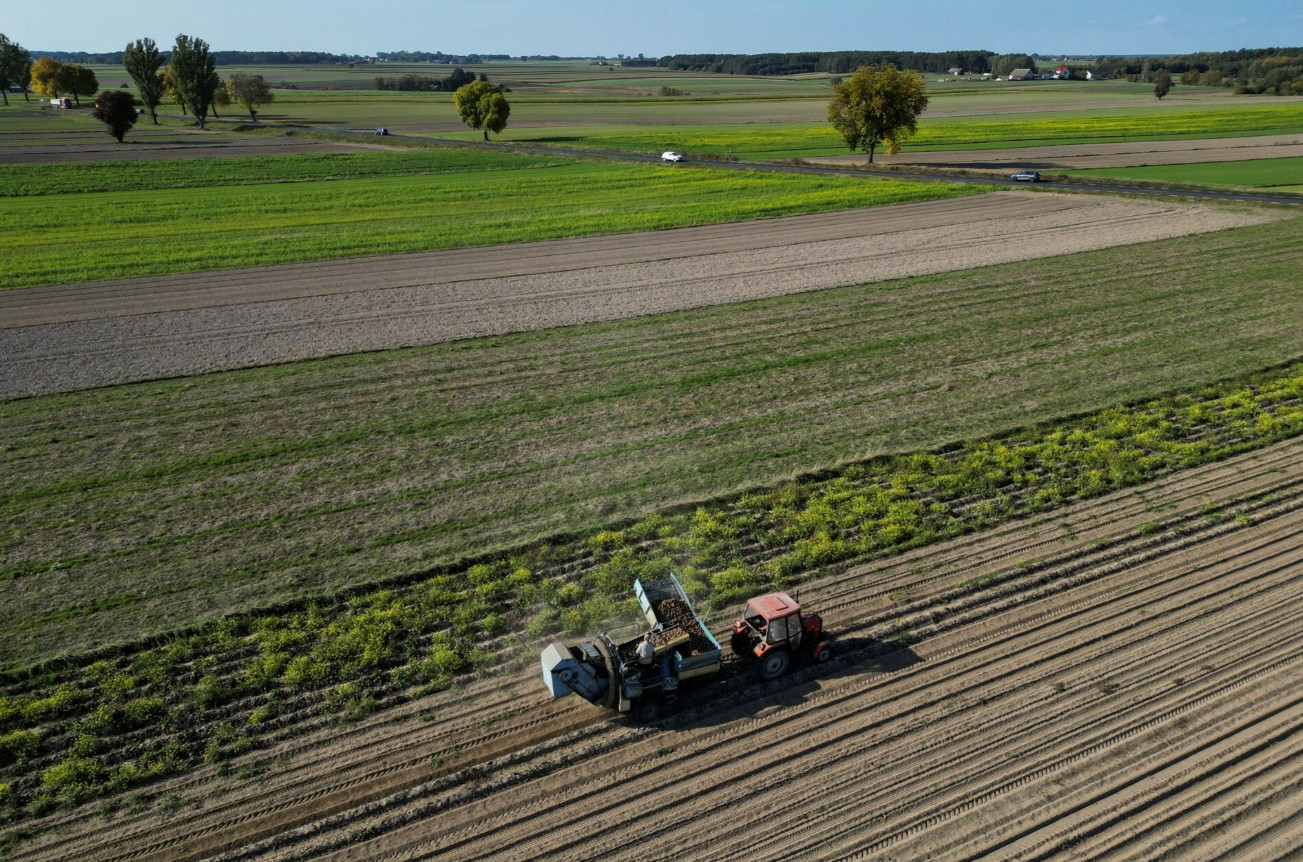
Reuters interlocutors point to two systemic problems. The first is entrenched corruption. “Ukraine is simply not ready, and corruption is widespread,” one Western European official said. The second is the agricultural issue. Farmers in Poland, Hungary, and Slovakia fear that cheap Ukrainian products will undermine their markets. “If there is a free market, we have no chance,” Reuters quotes Polish farmer Miroslaw Halej. Hungary, Poland, and Slovakia introduced an embargo on Ukrainian grain imports back in 2023, and in 2025 Brussels, under their pressure, reinstated quotas.
French far-right leader Marine Le Pen, the favorite in the upcoming presidential election, has already stated that if Ukraine joins, France would “lose twice,” facing “fierce unfair competition” and a reduction in its share of EU agricultural subsidies. The Alternative for Germany party, leading in polls in Germany, submitted a motion to the Bundestag to rule out Ukraine’s EU accession.
Institutional barriers
Even if political will emerges, the procedure remains extremely complex. Any accession must be ratified by all 27 member states. France is likely to hold a referendum on the issue.
European Commission President Ursula von der Leyen’s proposal for “reverse enlargement” — where a country joins before meeting all criteria but with limited access to funds — has not found support. “The concept of reverse enlargement is dead. There is also no support for granting a specific accession date,” one EU diplomat said.
German Chancellor Friedrich Merz proposed granting Ukraine the status of “associate member,” allowing it to participate in EU summits and ministerial meetings but without voting rights. Kyiv considers this idea unfair because it leaves the country without a voice in the EU.
Kyiv’s position
Ukrainian Deputy Prime Minister Taras Kachka, in a comment to Reuters, acknowledged the concerns of EU countries and proposed a mechanism for monitoring compliance with democratic standards, as well as a transition period before receiving agricultural subsidies.
He insists that a political commitment on an accession date is “necessary for the peace process.” In November, Kachka stated that Hungary had no new substantive objections, and Kyiv hopes to open the last two negotiating clusters by the end of 2026.
Ukrainian Foreign Ministry spokesman Heorhii Tykhyi, commenting on skepticism in the EU, said: “Ukraine’s accession to the European Union is beneficial for the European Union. This is not simply Ukraine asking to be let inside. Ukraine has the most capable, battle-tested, and combat-ready army on the continent — one million people.”
The decline in Ukraine’s chances of joining the EU is not the result of a single decision but a combination of structural factors: war fatigue, economic fears of agricultural countries, the institutional complexity of enlargement, and falling public support.
Public support for Kyiv remains, but it is increasingly at odds with the private skepticism of capitals. The key question is whether the EU can offer Ukraine a realistic “road map” without creating false expectations, or whether the gap between declarations and reality will become a new source of tension in Brussels-Kyiv relations.