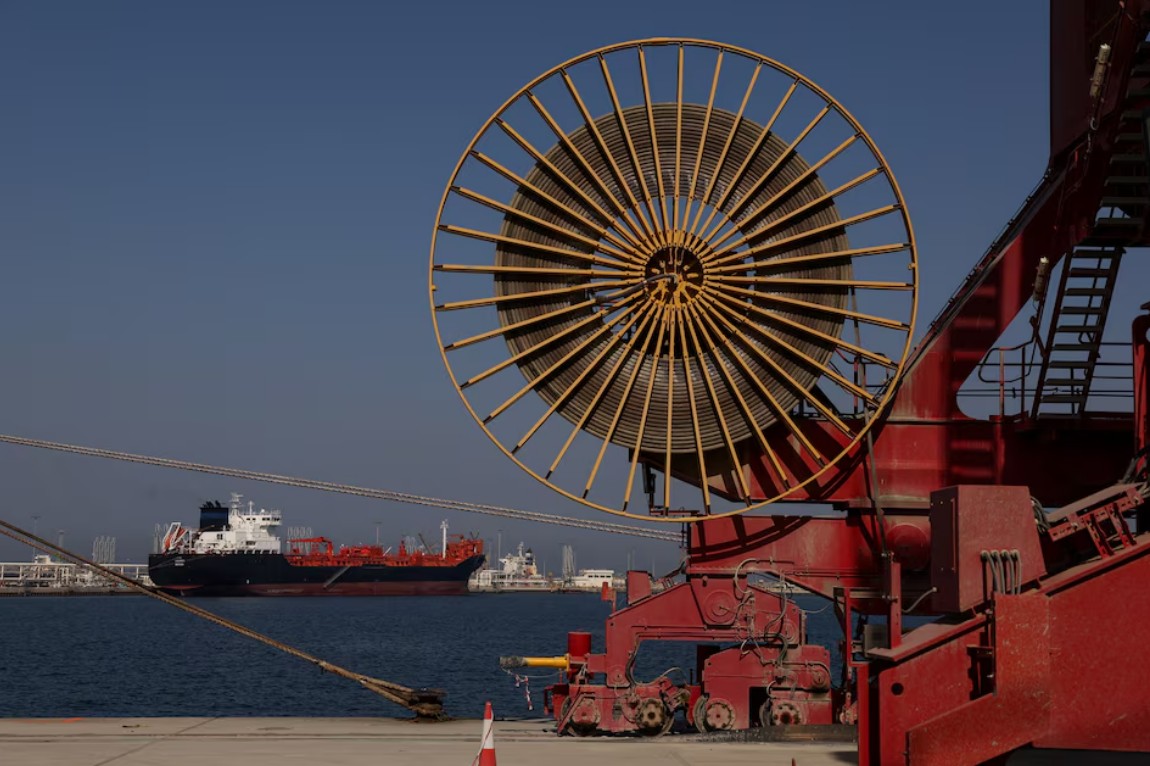

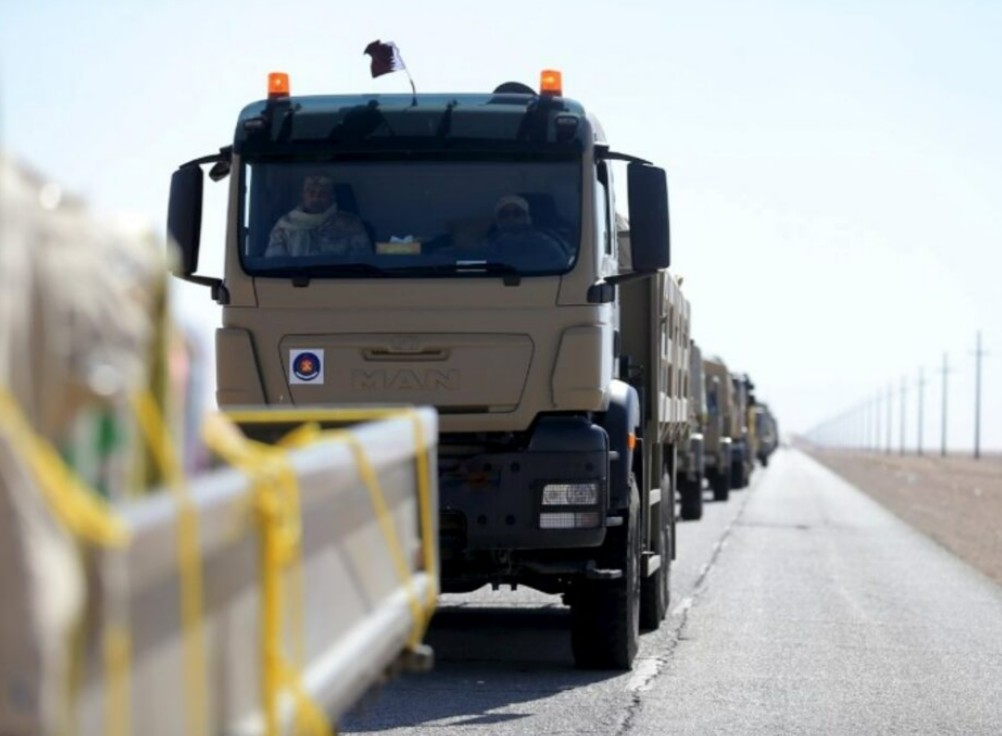
ISLAMABAD (Realist English). Pakistan has sent an army contingent to Saudi Arabia under a bilateral defence cooperation agreement, the Inter-Services Public Relations (ISPR) of the Pakistan Army reported on 29 November. The deployment came amid an escalation of attacks by Yemen’s Houthis on the kingdom’s oil and economic infrastructure.
Farewell ceremony and official wording
A farewell ceremony for the servicemen was held in Rawalpindi on Saturday, 28 November. It was attended by Pakistan’s Defence Minister Khawaja Muhammad Asif, Saudi Ambassador to Pakistan Rajaeh Tami Albugami, and senior Pakistani army officers.
The ISPR statement stresses that the deployment is being carried out “in accordance with agreed commitments and established defence cooperation frameworks,” and that the servicemen will perform tasks “on the territory of Saudi Arabia.”
“The military deployment reflects Pakistan’s unwavering commitment to the security, sovereignty and territorial integrity of the Kingdom of Saudi Arabia,” the document says.
The Mecca alliance and the emergency meeting
The deployment followed the second meeting of the Strategic Political and Defence Committee established under the Mecca joint defence agreement. The meeting was held on 27 November in Islamabad.
The agreement itself was signed on 7 August 2026 in Mecca by Turkish President Recep Tayyip Erdoğan, Pakistani Prime Minister Shehbaz Sharif and Saudi Crown Prince Mohammed bin Salman.
The Mecca pact, often compared to Article 5 of the NATO charter, provides that an armed attack on one participant is considered an attack on all.
The document also covers cooperation in the defence industry, intelligence sharing and logistical support. The agreement is valid for at least 10 years, and no party may withdraw from it during that period.
Scale: figures not disclosed, but Reuters data exists
The Pakistani military has not disclosed the size of the contingent, its tasks or the duration of its stay. However, according to Reuters data published in May 2026, Pakistan had already deployed about 8,000 servicemen, a squadron of roughly 16 JF-17 fighter jets, two drone units and a Chinese HQ-9 air defence system to Saudi Arabia under a bilateral defence pact.
Agency sources indicated at the time that the equipment is financed by Saudi Arabia but operated by Pakistani personnel, and that the total possible deployment under the agreement could reach 80,000 people.
As observers note, the key feature of the situation is the combination of symbolic and operational dimensions. On the one hand, Pakistan publicly reaffirms its commitment to the kingdom’s security and the “sanctity of the two holy sites.” On the other hand, the specific parameters of the deployment remain undisclosed, and the previous large contingent performed mainly advisory and training functions.
A separate factor is Pakistan’s role as a mediator in the US-Iran war. Islamabad remains one of the main diplomatic channels for settlement, and increasing its military presence in Saudi Arabia creates a risk that it will be seen as a participant in the conflict rather than a neutral mediator.
For regional security, the immediate effect will be most noticeable primarily in the dynamics of Houthi attacks on Saudi infrastructure and in whether Pakistan’s deployment is followed by similar steps by Turkey — and that is precisely where it is most sensitive for the prospects of escalation in the Red Sea and the Strait of Hormuz.