MOSCOW (Realist English). On October 22, the first tanker carrying Russian diesel fuel for the United States will leave the port of St. Petersburg, Deputy Prime Minister Alexander Novak said. The vessel’s displacement is 40,000 tonnes. Novak made the statement to journalists on the sidelines of the St. Petersburg International Gas Forum.
Deal parameters
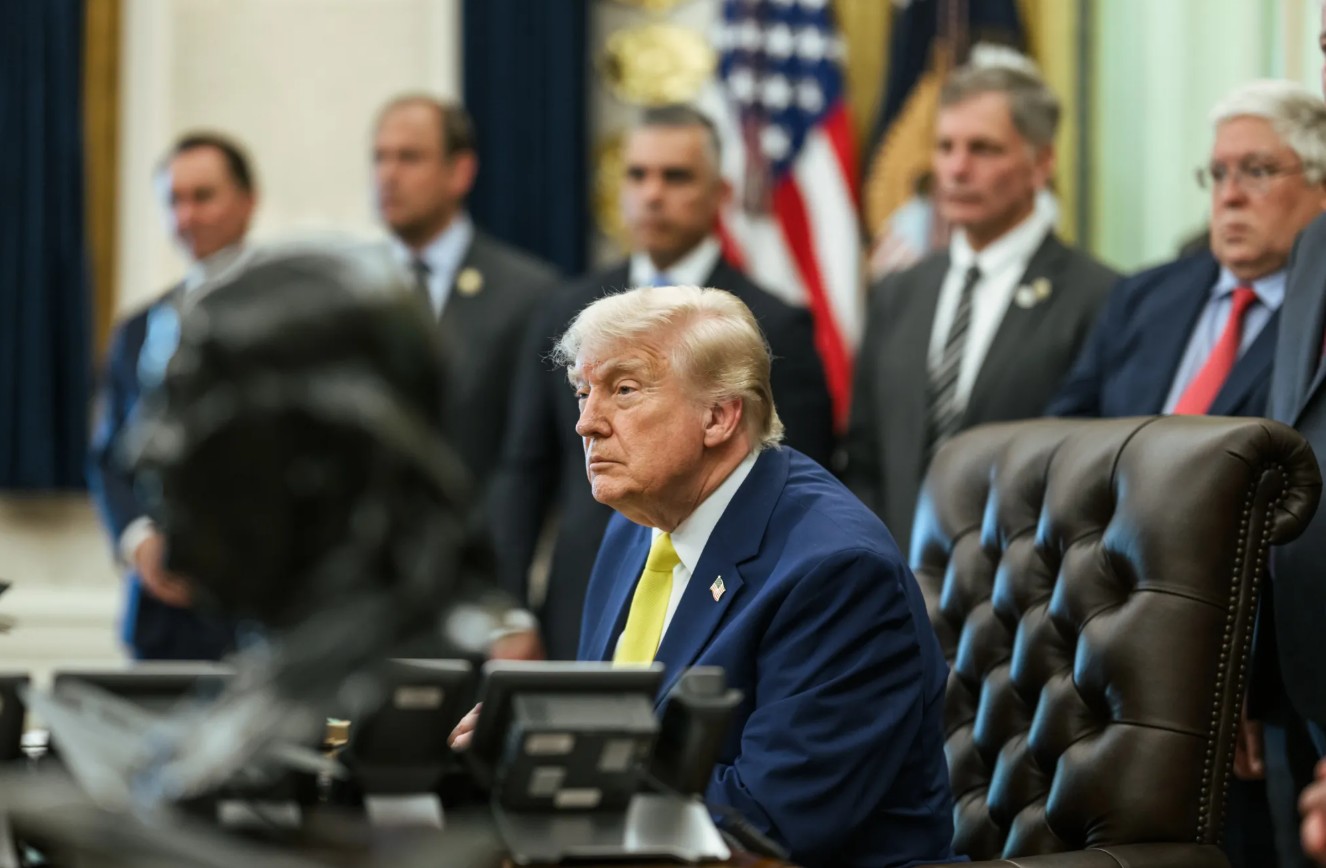
The agreement on diesel supplies was reached on October 9 during a phone call between Vladimir Putin and Donald Trump. According to Trump, Russia committed to “immediately” supply 300,000 tonnes of diesel to the US and global markets, another 500,000 tonnes in November, and 1 million tonnes “shortly thereafter.” Novak previously suggested Russia could accelerate the schedule and bring exports to 3.5 million tonnes by the end of the year.
To implement the deal, the US Treasury issued OFAC General License No. 135, authorizing the sale, delivery, unloading, and import of Russian diesel until April 7, 2027. Russia, in turn, on October 10 partially lifted its ban on diesel exports, introduced in the summer due to Ukrainian drone attacks on refineries and the resulting fuel shortage in the domestic market.
Goal — midterm elections
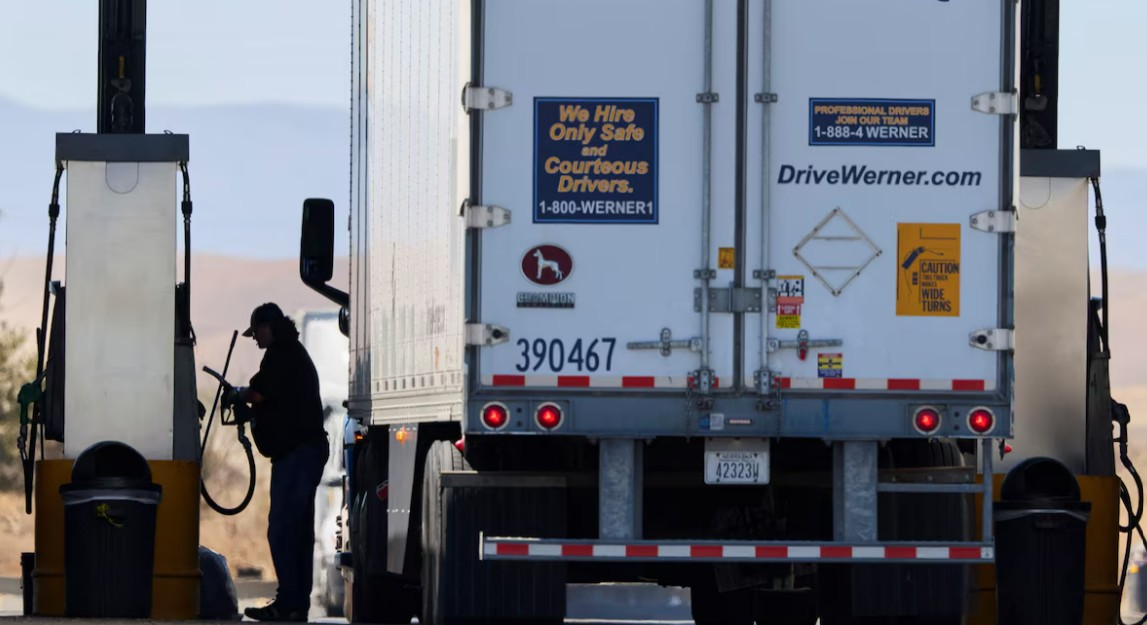
The deal has an obvious political backdrop. US diesel prices rose from $3.46 per gallon in January to $6.18 in mid-October — a 79% increase — mainly due to the war with Iran and disrupted supplies through the Strait of Hormuz. The Trump administration is seeking to bring prices down before the November 3 midterm elections. During the meeting in St. Petersburg, US Special Envoy Steve Witkoff thanked Putin for the decision to send diesel.
Experts’ skepticism
However, EPRINC analysts assess the deal with restraint. According to their data, Russia’s diesel export potential — what remains after covering domestic demand — has shrunk from about 1.18 million barrels per day in January 2024 to around 240,000 barrels per day in October 2026. Nearly 40% of Russia’s refining capacity is idle after Ukrainian drone strikes.
Russia already exports about 260,000 barrels per day — slightly more than it has available. Meeting the stated schedule would require an additional 384,000–509,000 barrels per day. According to EPRINC, the cargoes that do go will likely be redirected from existing buyers — primarily Turkey and Brazil — and will not add anything new to the global market.
Moreover, the US itself is the largest diesel exporter, shipping about 1.4 million barrels per day in October.
Supplies of Russian fuel to a market that is already a net exporter create trade flows that would not otherwise exist — and do so at exceptionally high freight rates. The OFAC license changes only US legislation; British and European price cap and asset freeze measures remain in force, limiting the shipping and insurance services on which these cargoes depend.
The first cargo is a symbolic gesture, not a solution to the fuel crisis. Even with full implementation of the deal, supplies in October and November (about 124,000 barrels per day each) would cover only about 8% of the global diesel deficit, which the International Energy Agency estimates at 1.6 million barrels per day.
The December 1 million tonnes will cover about 15%, and the remaining 3 million tonnes — about 14%. On average, over the license period, the deal provides about 203,000 barrels per day, or 13% of the deficit. The reduction in US retail diesel prices is estimated in “cents” — about 34 cents at best, to $5.84 per gallon.
For Russia, the deal matters not in volumes but politically: it legitimizes exports to the US bypassing the sanctions regime and creates a precedent that could be used for other goods.
For Ukraine and European allies, it is a signal that Washington is prepared to sacrifice the unity of the sanctions coalition for domestic political objectives. For the market, it is another factor of uncertainty: can Russia physically fulfill its promises if its refineries continue to burn.