
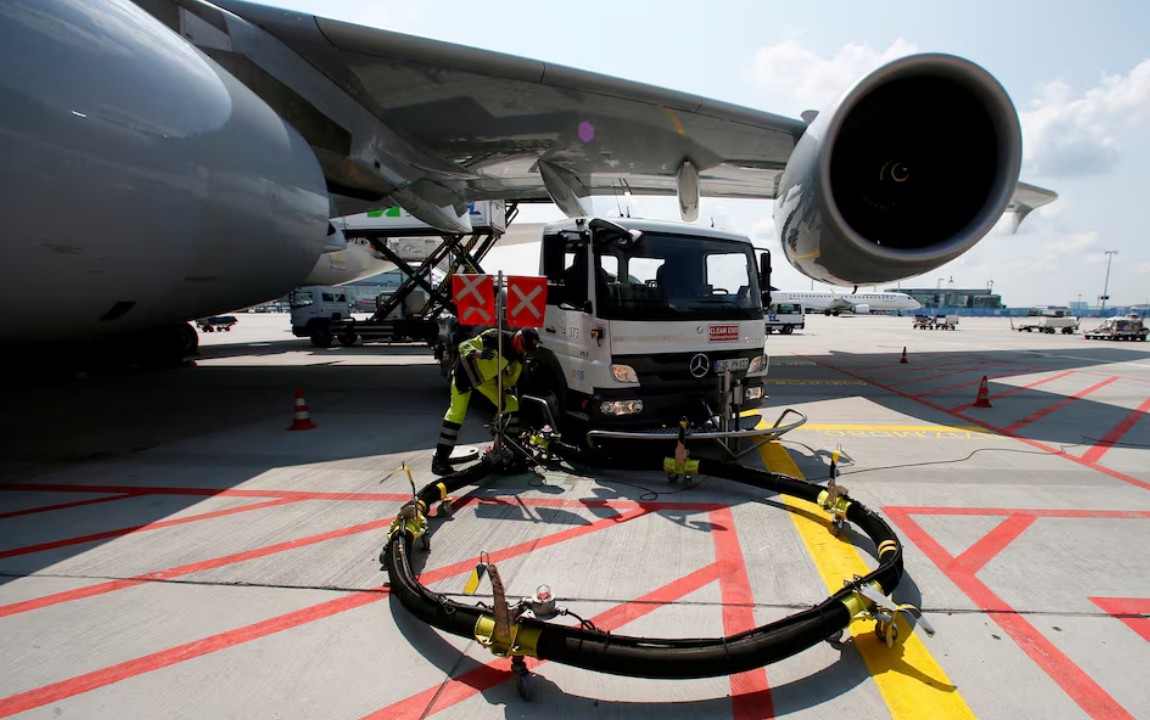
MOSCOW(Realist English). The Russian government has signed a decree extending the ban on exports of jet fuel, including aviation kerosene purchased at exchange trading. The new restriction will be in effect from December 1, 2026, through March 31, 2027, inclusive. The previous ban, introduced on June 1, 2026, expires on November 30.
The cabinet explained that the measure is aimed at “maintaining reliable and uninterrupted supply of the domestic fuel market.” The restriction will not affect aviation kerosene supplies under international intergovernmental agreements.
Reasons for the Extension: Attacks on Refineries and Market Tension
The decision was made amid ongoing Ukrainian attacks on Russian oil refineries. According to industry sources, since late October the intensity of drone strikes has increased, leading to the temporary shutdown of several major refineries and a reduction in processing volumes. Deputy Prime Minister Alexander Novak on November 25 described the situation on the fuel market as tense, pointing to the need for the swiftest possible restoration of the facilities.
According to estimates, in late October daily oil processing at Russian refineries fell by roughly 45% relative to the pre-attack level — from more than 700,000 tonnes to about 400,000 tonnes. In November the figure partially recovered but remains 5–10% below the September–October average. A number of regions, including Crimea, Penza and Tomsk oblasts, have already introduced restrictions on the sale of gasoline and diesel fuel.
A Series of Restrictions on Fuel Exports
Aviation kerosene is not the only category whose exports are restricted. In late October Moscow extended until January 31, 2027, a temporary ban on exports of diesel and marine fuel, as well as gasoil for direct producers. Restrictions on gasoline exports had been introduced earlier. According to the International Energy Agency, Russia was previously one of the major exporters of petroleum products, but attacks on refineries are forcing it to revise its export policy.
Russian aviation kerosene was mainly supplied by rail to Central Asian countries — Kazakhstan, Kyrgyzstan, Tajikistan and Uzbekistan. The extension of the ban means these markets will be forced to look for alternative sources of supply.
What’s Next
In December the government plans to determine the fate of gasoline export restrictions after January 2027. The decision will depend on the forecast balance of supply and demand on the domestic market. Novak also said that the priority remains the fastest possible restoration of damaged refineries and the provision of additional fuel volumes.