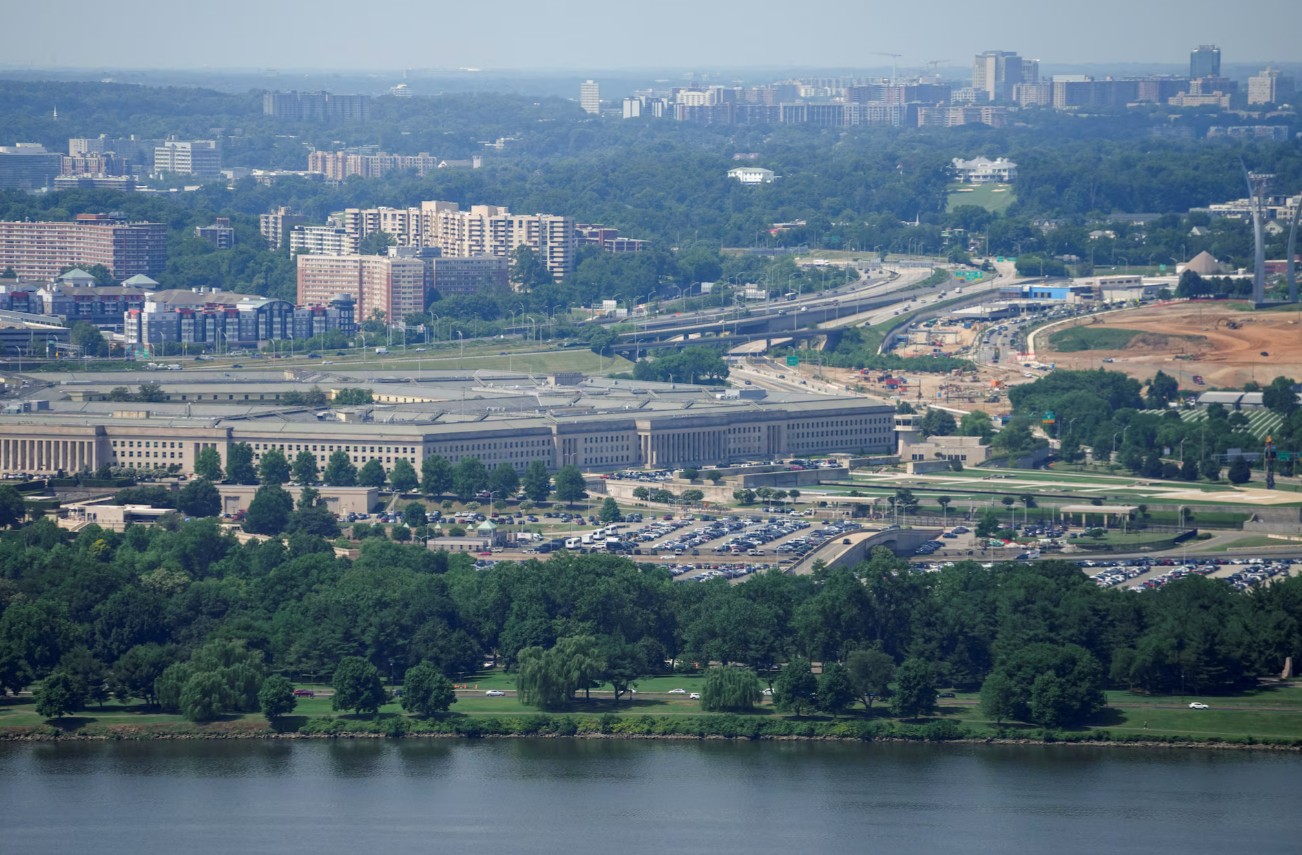
WASHINGTON (Realist English) . The US Department of Defense has confirmed plans to hold a public broadcast of the firing squad execution of Nidal Hasan. Hasan was sentenced to death by a military tribunal for killing 13 people and wounding 32 at Fort Hood in Texas in 2009. This will be the first execution in the American military since 1961 and the first use of a firing squad since 1945.
Key information about the execution
The execution is scheduled for December 3, 2026, at 13:00, at Fort Hood. It will coincide with the 17th anniversary of the attack — on the same day, in the same place, at the same time. The execution will be carried out by a firing squad composed of military personnel. Defense Secretary Hegseth stated that the choice of time and place was “a decision that required no deliberation.”
President Trump approved the execution on Hegseth’s recommendation. Hegseth stated on a right-wing podcast: “We will ensure people have the opportunity to watch. This is public because people need to understand that such actions have serious consequences.”
Historical background
This will be the first execution in the US military justice system since 1961. In 1961, Army Private John Bennett was hanged for rape and attempted murder. The last time the American military used a firing squad was in 1945. World War II deserter Eddie Slovik was executed by a firing squad.
The last public execution in the US took place in 1936. Rainey Bethea was publicly hanged in Kentucky. According to estimates, between 10,000 and 20,000 people watched.
Disputes and objections
The UN Office of the High Commissioner for Human Rights unequivocally condemned the plans. Spokeswoman Shabia Mantoo stated: “Broadcasting an execution is tantamount to a public execution and would violate the absolute prohibition of torture.”
Senators from both parties spoke out against it. Republican Thom Tillis called it “disgusting” and noted: “Public executions are what repressive dictatorships like Iran and Afghanistan do.” Democrat Chris Murphy called the public execution “medieval” and asked: “Is this an imitation of ISIS executions?” Senator Jon Ossoff called Hegseth “a seriously unwell person.”
Former National Counterterrorism Center head Joe Kent stated that broadcasting the execution is “a stain on our morality.” According to him, it will provide “free propaganda material for terrorists, used for radicalization and recruitment.”
Survivors were divided. Former Army Sergeant Alonzo Lunsford, who was wounded seven times in the attack, supports the firing squad, considering it “fitting” for Hasan’s crimes. But he opposes indiscriminate broadcasting. He plans to attend in person and wants to look Hasan in the eyes before the shots, “so he knows he didn’t succeed, and I am alive.”
Failure of lethal injection
The decision on the firing squad was made shortly after the failed lethal injection of Christa Pike in Tennessee. Pike survived after being administered two doses of pentobarbital, after which she was taken to a hospital. Lawyers stated she was “furious and confused.” This incident reignited debates in the US about methods of carrying out death sentences.
The Trump administration recently expanded federal execution methods, adding firing squad, electric chair, and gas suffocation. This is partly due to growing difficulties in obtaining drugs for lethal injections.
Legal obstacles
Hasan can still file a habeas corpus petition in federal civil court. This could delay the execution for a long time. Yale Law School military law specialist Eugene Fidell stated that this process “could last longer than the current administration.” In addition, the military appellate review procedure has not yet been completed.
The Pentagon has not yet disclosed technical details or the platform for the broadcast. Journalists asked major internet platforms whether they would allow such a broadcast, but have not yet received a response.