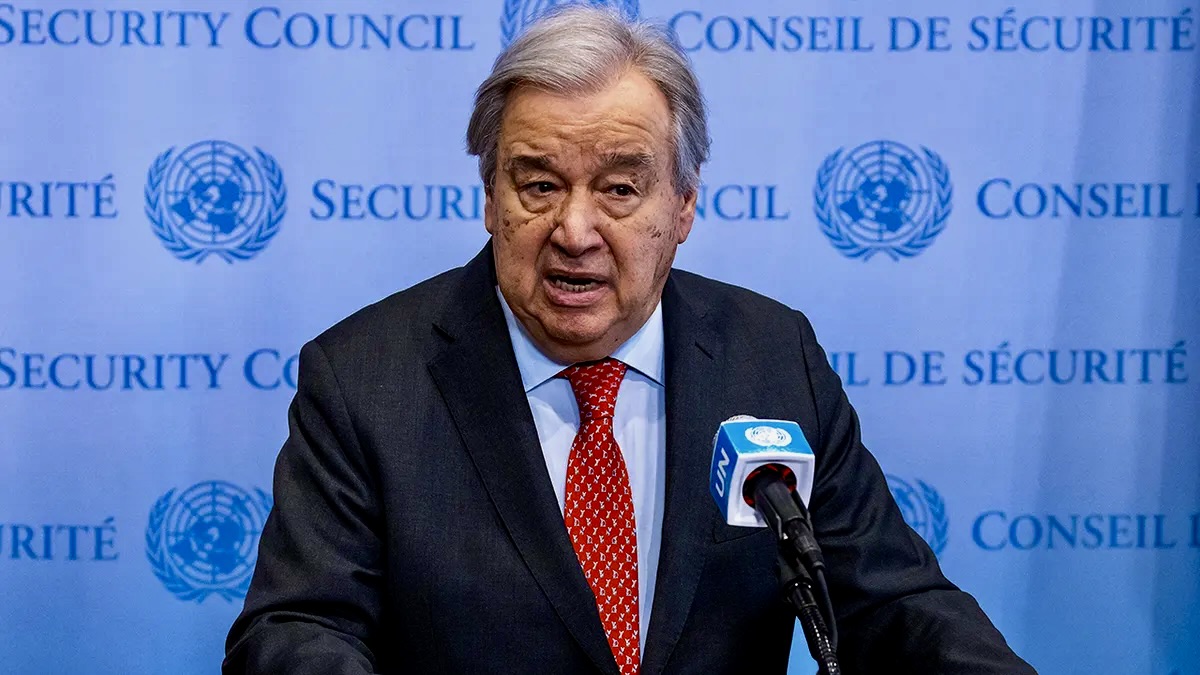
NEW YORK (Realist English). UN Secretary‑General António Guterres gave an interview to the Financial Times in which he stated that a tectonic shift is underway in the global balance of power.
According to him, the superpowers are losing their former ability to impose their will, and the world is moving from the unipolar system that emerged after the Cold War to a multipolar order.
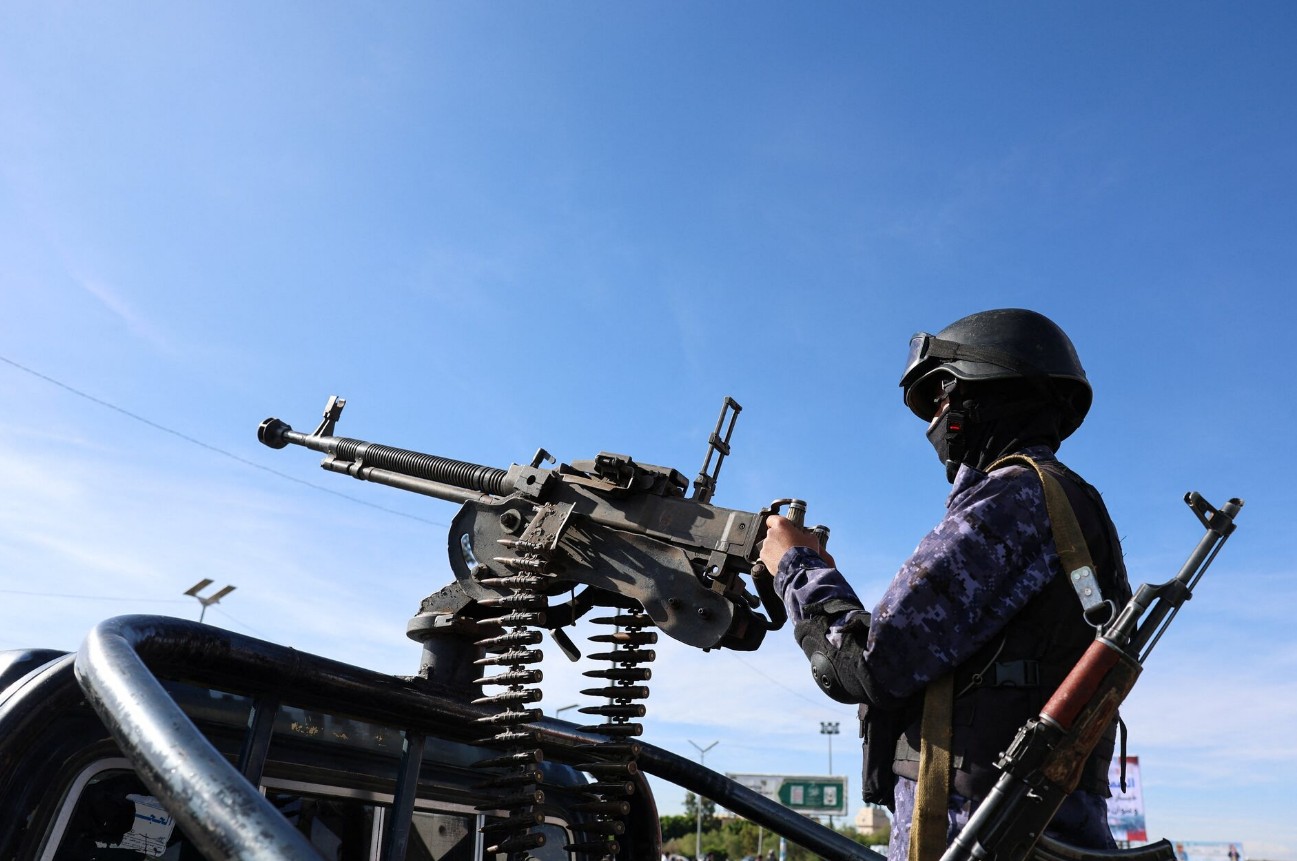
“It is time for the superpowers to realise the limits of their power,” Guterres said from his office on the 38th floor of UN headquarters in New York. “If you look at what has happened recently, the ability of superpowers to impose their will, their force or military might in a number of situations has been severely constrained.”
Two Conflicts – One Lesson
Guterres cited two striking examples to illustrate his point.
| Conflict | Stated Goals | Actual Outcome |
| Special military operation in Ukraine (2022) | Quick victory, regime change in Kyiv | Protracted war lasting years; |
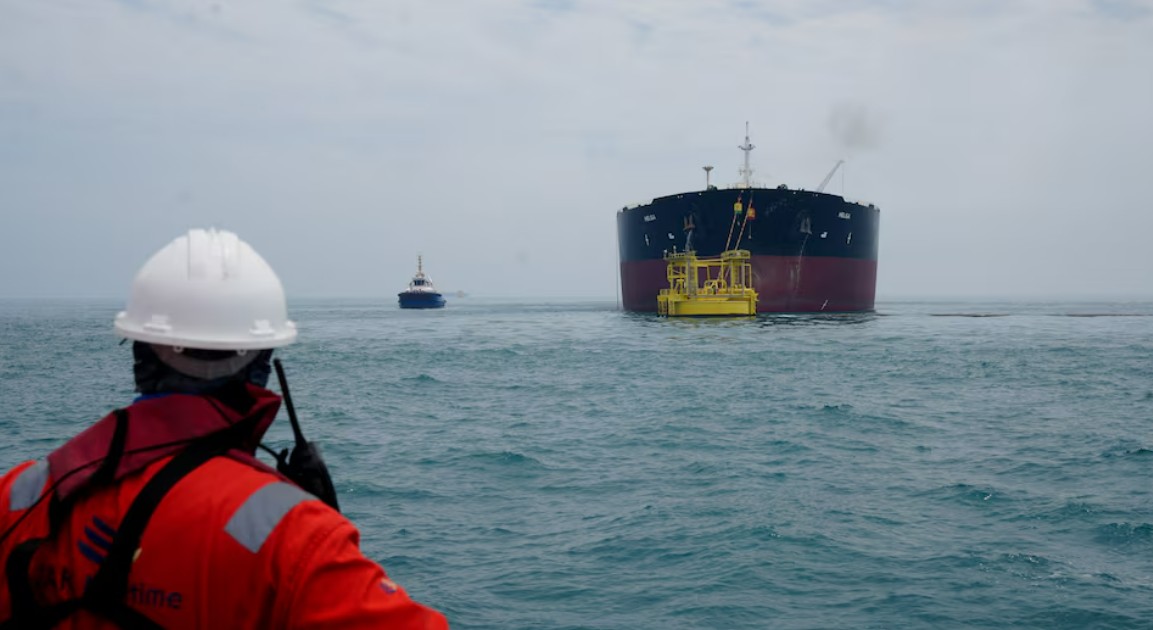
| US‑Israeli war against Iran (since February 2026) | Capitulation of Tehran, removal of the threat | Iran continues to resist and has closed the Strait of Hormuz; the US has not succeeded |
“The superpowers must understand that the situation has changed, the weight of various countries has changed,” Guterres summarised.
The UN in Crisis: A Paralysed Security Council and “Impunity”
The Secretary‑General acknowledged that over his ten‑year tenure, the UN’s role as a mediator in global crises has weakened. The Security Council, he said, is “virtually paralysed” — the US and Russia, two of the five permanent veto‑wielding members, are blocking its work in pursuit of their own agendas.
“There is now a feeling of impunity,” Guterres stated. “Our influence has dramatically decreased” because the Security Council cannot tell countries “that they should behave properly, otherwise they will be punished.”
The UN has also been pushed to the sidelines in Sudan’s civil war, where external “spoilers” have taken advantage of the Security Council’s paralysis.
UN Competitors: Guterres Dismisses Trump’s “Peace Council”
The Secretary‑General also commented on Donald Trump’s “Peace Council” — a group of international leaders focused on resolving the Israel‑Hamas conflict.
Guterres rejected the idea that this body could compete with the UN Security Council, pointing to the lack of progress in Gaza. “With all the difficulties the UN may have, the truth is that if you look at what is happening in Gaza, at the measures that have been taken and the progress achieved, it is not the UN that should be worried. Others should be worried about what they are doing.”
A New World Order: From Pax Americana to Multipolarity
Guterres’s interview, given at the end of his ten‑year term (he will leave office in December 2026), represents an attempt to make sense of fundamental shifts in international relations. The world, in his view, is moving from a US‑dominated post‑Cold War order to a multipolar system in which the relative weight of various countries has changed.
Guterres warned that such a multipolar order risks escalating into confrontation if global institutions do not adapt to the new realities.
The UN Secretary‑General has stated the obvious: the era of unchallenged superpower dominance is over, and the institutions created after World War II are failing to meet the challenges of the 21st century.
Yet open questions remain. If the UN Security Council is paralysed and the superpowers cannot impose their will, who will ensure global stability? And will the multipolarity Guterres speaks of lead not to a balance of power, but to chaos, where everyone pursues their own interests and there is no punishment for breaking the rules?
Guterres admits that the UN has lost its leverage. But he offers no recipe for restoring it. His diagnosis is accurate — but it contains no cure. And that, perhaps, is the greatest unease the Secretary‑General leaves with the global community.