TEHRAN (Realist English). On August 25, Tehran hosted a meeting between the foreign ministers of Iran and Oman, following which the sides presented a framework agreement on the creation of a “temporary joint maritime corridor” through the Strait of Hormuz and a joint project to demine the waters.
Omani Minister Badr al‑Busaidi was received by his Iranian counterpart Abbas Araqchi, who also serves as the key negotiator in the ongoing Iran‑US consultations. The sides held “constructive consultations” focused on resuming safe navigation through the strait while preserving the sovereignty and sovereign rights of the littoral states.
What the Sides Agreed On
The proposed framework provides for several key elements:
| Area | Content |
| Temporary corridor | Creation of a joint temporary maritime corridor through the Strait of Hormuz under joint Iran‑Oman management |
| Demining | A joint project to clear the strait of mines |
| Permanent corridor | Continuation of technical negotiations to reach agreement on a permanent route and future administration of the strait |
| Information exchange | Establishment of mechanisms for information sharing, traffic management, and provision of navigational and security services |
| Consultations with neighbours | Holding joint consultations with the littoral states of the Persian Gulf |
The sides stressed “the need to comply with applicable norms of international law and to respect the sovereign rights of the littoral states.”
Background: How the Strait of Hormuz Became a “Red Line”
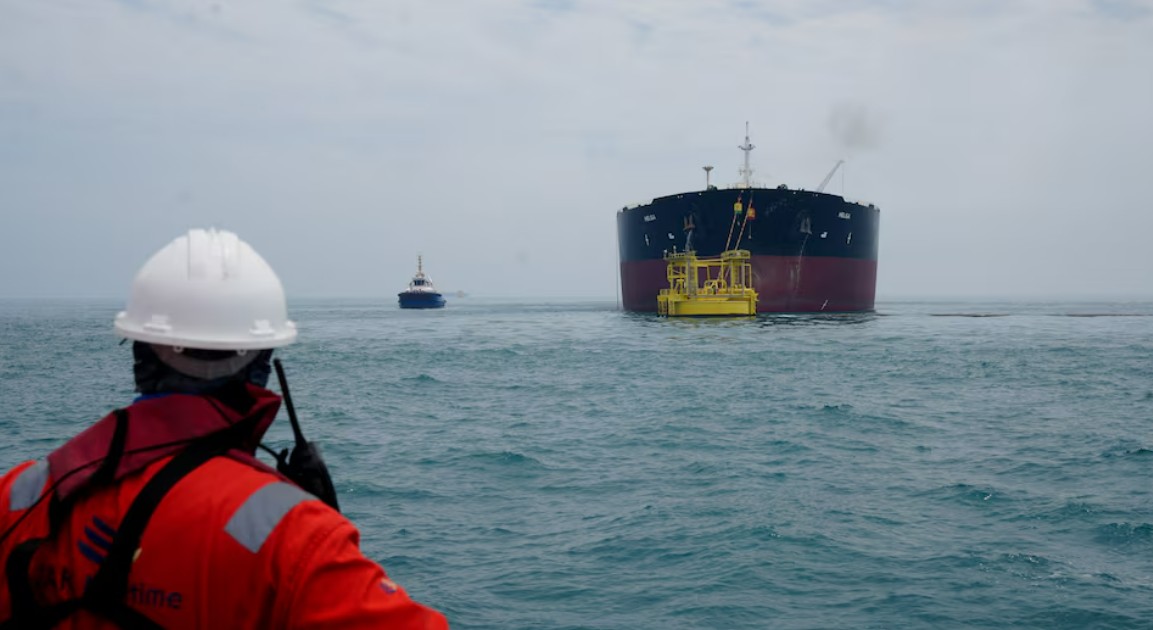
The Strait of Hormuz is a narrow sea passage between Iran and Oman through which about one‑fifth of global oil and liquefied natural gas supplies pass. Since February 28, 2026, when the United States and Israel launched joint airstrikes on Iran, the strait has effectively ceased to function normally.
In response, Tehran blocked the strait, while Washington imposed a naval counter‑blockade of Iranian ports. Since then, shipping has remained virtually paralysed, destabilising global energy markets.
In early April, the sides reached a preliminary ceasefire, and in mid‑June — the Islamabad Memorandum of Understanding, which established a ceasefire across all fronts and set a 60‑day window for negotiations on a final agreement. Despite the memorandum, Iran and the US exchanged several rounds of strikes and counter‑strikes, with the latest escalation occurring on July 8.
Since then, a fragile truce has been in place, but navigation through the strait has not been restored. The US naval blockade of Iranian ports remains in force, and Iran continues to assert its sovereignty over the strait.
Preliminary Agreements: Map Agreed, but Document Not Signed
Negotiations between Tehran and Muscat have been ongoing for several weeks. As early as August 6, Iranian officials stated that the sides were “close to an agreement” and had agreed on the geographical coordinates of the new route. On August 18, Iranian Foreign Ministry spokesman Esmaeil Baghaei announced that the sides had agreed on a map of the new route and were finalising the text of a joint statement.
At the same time, Baghaei warned of the complexity of the process, the “number of players” seeking to influence it, and “attempts by certain malicious parties.” He also stated that the agreement with Oman does not guarantee safe passage — security in the strait remains tied to the “continuing US blockade and other aggressive actions” against Iran.
Iran’s Position: The Strait Will Not Open Until the US Meets Demands
Despite the agreements reached with Oman, Tehran makes it clear: the full opening of the strait does not depend on Muscat.
Iranian Deputy Foreign Minister Kazem Gharibabadi said in a television interview on August 25 that the Strait of Hormuz “remains closed, despite the temporary transit agreement with Oman.” According to him, the proposed agreement is not equivalent to a full opening of the strait, but merely establishes a new model of maritime traffic.
Iranian officials insist that the strait will not be fully opened until the US meets Tehran’s demands: the lifting of the naval blockade, the removal of oil sanctions, and the unfreezing of foreign assets.
Trump’s Position: “All Mines Have Been Removed”
US President Donald Trump, as usual, did not stay on the sidelines. On his Truth Social account, he stated that “all mines have been removed and/or detonated in international waters of the Strait of Hormuz” by US Navy forces. He also warned that “any ship or boat laying new mines will be immediately and systematically destroyed.”
Iran, for its part, does not confirm Trump’s claims and continues to insist on its own version of events.
The Iran‑Oman agreement on a temporary corridor and demining is an important diplomatic step that could reduce tensions in one of the world’s most strategically vital sea lanes. Muscat has traditionally played the role of intermediary between Tehran and the West, and the current agreements strengthen this status.
Yet open questions remain. Can the temporary corridor function under the continuing US naval blockade? Will the agreement with Oman become for Tehran merely a tool of pressure on Washington, rather than a genuine step toward opening the strait? And most importantly — is the US ready to make the concessions Iran demands, or will the conflict over Hormuz remain hostage to the broader confrontation between Tehran and Washington?
For now, the parties prefer to speak of “technical negotiations” and “phased frameworks,” leaving aside the main question: who and on what terms will control the main maritime gateway to the Persian Gulf? The answer to this question will determine not only the fate of global energy markets but also the balance of power throughout the region.