THE HAGUE (Realist English). On November 19, the International Court of Justice (ICJ) found Myanmar guilty of genocide against the Muslim Rohingya people. This is the first case in the court’s 80-year history in which a state has been held responsible for genocide.
The Court’s Ruling: Nine to Six
The court ruled that the actions of the Myanmar military in 2017 were carried out with the intent to destroy a significant part of the Rohingya group. Presiding Judge Yuji Iwasawa stated that “the only reasonable conclusion that explains Myanmar’s actions is the intent to destroy” the Rohingya population in northern Rakhine State. The ruling on the main point was adopted by nine votes to six.
The court established that Myanmar’s security forces killed thousands of Rohingya civilians, committed widespread acts of sexual violence, used extreme forms of violence against children, and attacked Rohingya attempting to flee to Bangladesh.
Myanmar’s Obligations
In addition to recognizing the fact of genocide, the court obligated Myanmar to:
- cease violations of the Genocide Convention and adopt legislation to implement its provisions;
- conduct an investigation, prosecute and punish all persons suspected of committing genocide during the 2017 operations;
- provide guarantees of non-repetition of such violations;
- ensure the return of Rohingya to their places of residence and pay compensation; the amount and procedure for payments will be determined at a subsequent stage of the proceedings, and Myanmar must submit a corresponding report within two years.
Background
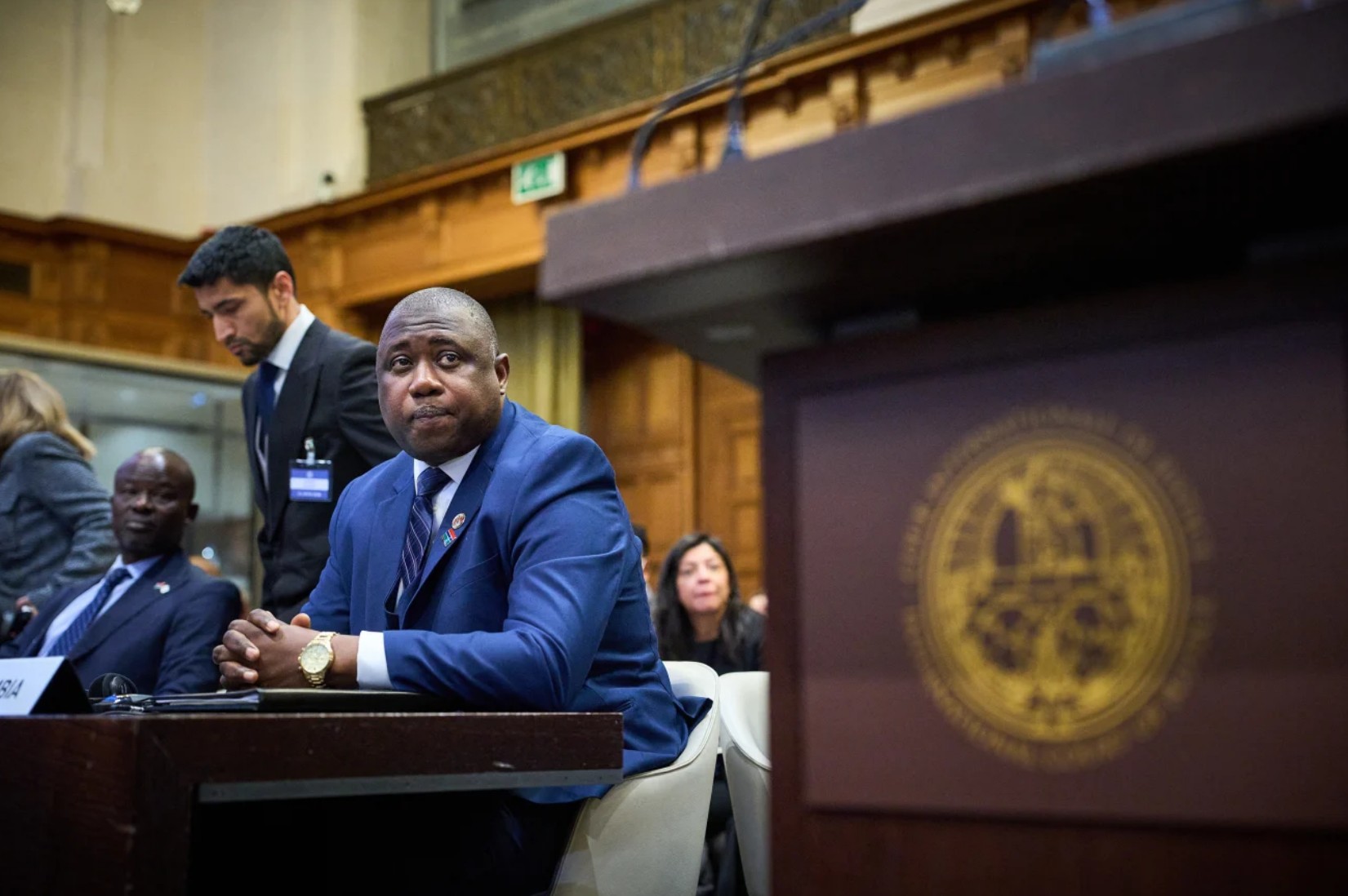
The case was initiated by Gambia in November 2019 — a country located thousands of kilometers from the scene of the events. In 2017, the Myanmar army conducted so-called “clearance operations” in response to attacks by Rohingya insurgents, which led to mass killings, arson of villages, and the flight of more than 700,000 Rohingya to Bangladesh. Myanmar insisted that the operations were a legitimate response to the insurgents’ actions, but the court rejected this argument, pointing out that the military did not distinguish between militants and civilians.
Reaction
UN Secretary-General António Guterres welcomed the decision, calling it “a powerful recognition of the suffering of the Rohingya” and a demonstration that impunity for such crimes is inadmissible. For the Rohingya, the decision became a “turning point”: activists present in the courtroom called it “a great day for all oppressed peoples.”
As observers note, the key feature of the decision is the court’s lack of enforcement mechanisms. ICJ decisions are binding on the parties and final, but the court does not have the authority to enforce them; it can only refer the case to the UN Security Council, which has the right to adopt a resolution. In addition, experts note the low probability that those responsible, including Myanmar’s top military leadership, will hold themselves accountable.
The ruling on Myanmar creates a precedent for other cases before the ICJ, in particular for South Africa’s lawsuit against Israel over Gaza: the court rejected Myanmar’s argument of “fighting insurgents” as a cover for actions with genocidal intent, and similar logic could be applied in the case against Israel.
For international justice, the immediate effect will be visible primarily in how the Security Council responds to the decision and whether it is followed by practical steps to hold those responsible accountable — and that is precisely where it is most sensitive for confidence in the ability of international institutions to ensure the enforcement of their decisions.