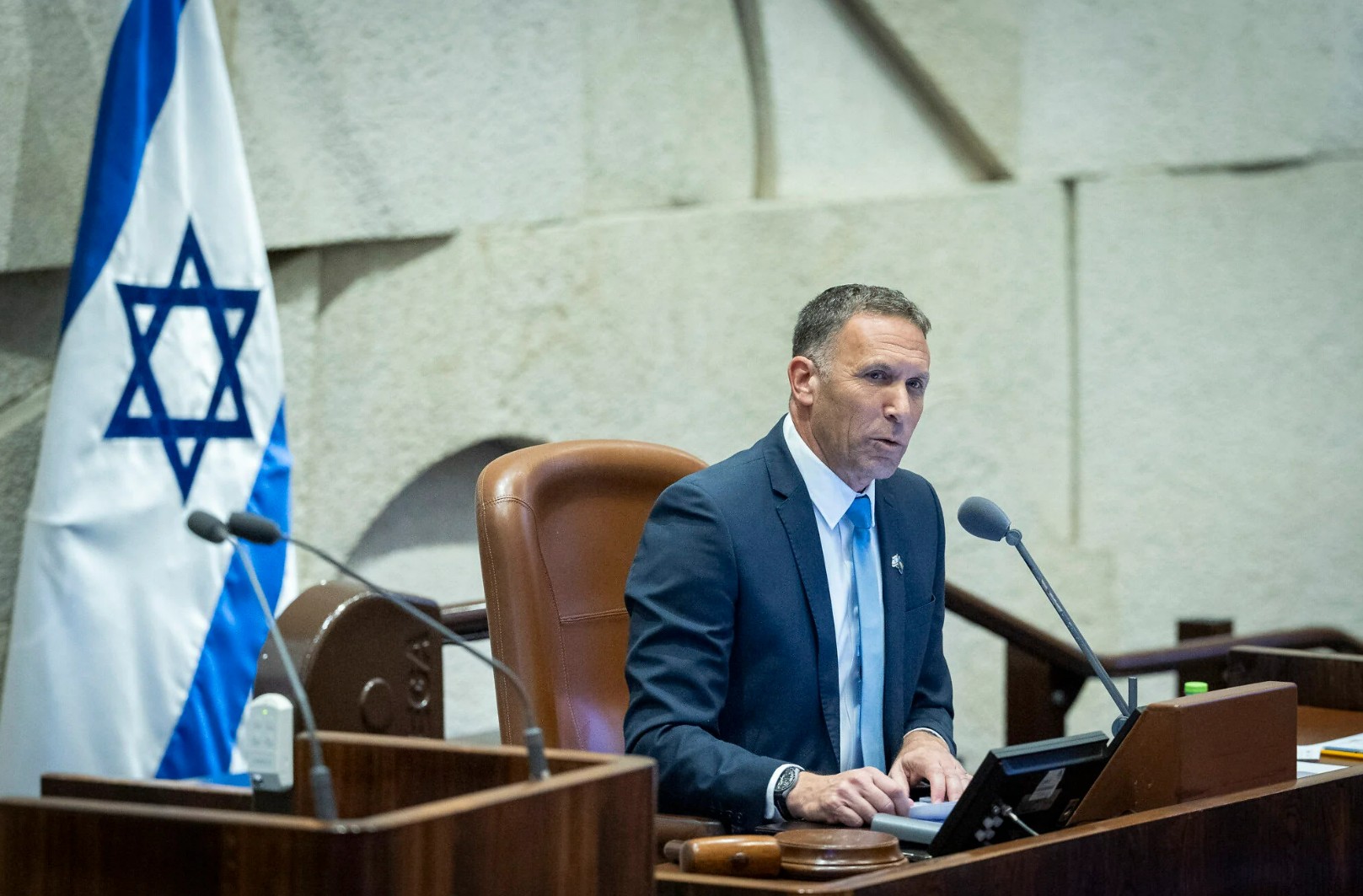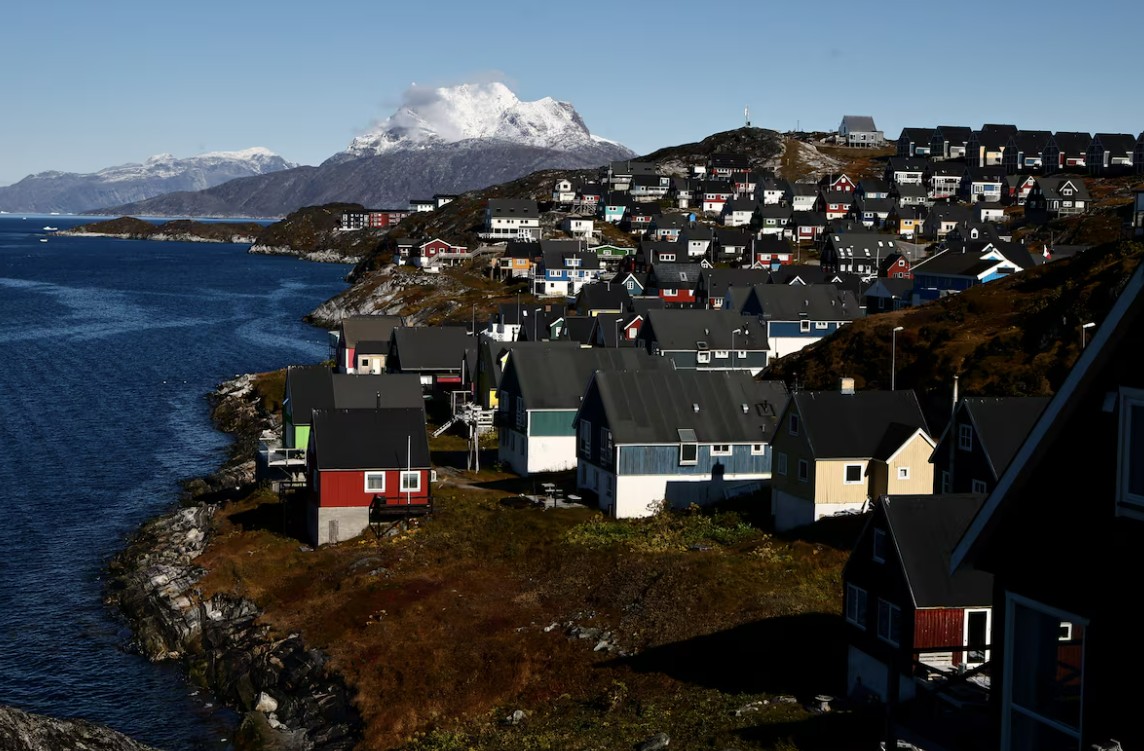
COPENHAGEN (Realist English). Denmark’s parliament ratified the security agreement with the US and Greenland, ending months of confrontation over the Arctic island. All 109 members of the Folketing present voted for the document, Deutschlandfunk reports.
What the Agreement Provides
The agreement, signed in September on the sidelines of the UN General Assembly, updates the 1951 defense pact and expands the US military presence in Greenland. Washington gains the right to modernize the existing Pituffik base, create two new military bases in the south and east of the island, and deploy the “Golden Dome” missile defense system.
The key condition is the preservation of Denmark’s sovereignty over Greenland. Prime Minister Mette Frederiksen emphasized that the agreement confirms the territorial integrity of the Kingdom and the Greenlanders’ right to self-determination. The Greenlandic parliament ratified the document in early November.
Economic Control and “Adversaries”
In addition to the military component, the agreement gives the US the right to review investments in Greenland’s strategic sectors, including the mining industry. Any “adversaries” of Washington will not be able to establish a military presence on the island or invest in the economy without written US consent.
As Secretary of State Marco Rubio noted, Denmark agreed to the deal because it lacked the finances to defend the island on its own.
From Annexation Threats to Compromise
The agreement was the result of months of tension. Trump repeatedly stated his intention to purchase or annex Greenland, not ruling out military or economic pressure. This caused a diplomatic crisis in NATO and forced Denmark and Greenland into intensive negotiations.
Danish commentators assessed the result as a defeat for Trump: instead of a transfer of property rights, Washington received only expanded access to military infrastructure. In turn, University of Copenhagen professor Mikkel Vedby Rasmussen warned that “this is not the end, but rather the beginning”: with the treaty in hand, the US will be able to demand greater influence over decisions affecting security and the extraction of strategic resources.
As observers note, the key feature of the situation is the gap between Trump’s rhetoric about “annexation” and the actual content of the deal. Greenland remained Danish, but the American military and economic presence on the island expanded.
For the Arctic, the immediate effect will be visible primarily in the dynamics of military construction at Pituffik and in assessments of how much the “Golden Dome” system will change the balance of power in the North Atlantic — and that is precisely where it is most sensitive for the balance between Denmark’s sovereignty and US strategic interests.