BÜRGENSTOCK (Realist English). After nearly four months of war and years of deadlock in US‑Iran relations, the parties have entered a critical 60‑day negotiating phase that is supposed to determine the fate of Iran’s nuclear programme.
Although the preliminary memorandum of understanding signed on June 17 opened the Strait of Hormuz and unfroze some sanctions, the main issue — Iran’s nuclear file — remains unresolved.
Current Situation: 60 Days to Save the Deal
Under the 14‑point memorandum, the parties committed to reaching a final agreement on Iran’s nuclear programme within 60 days. On June 22, the first round of direct talks in Bürgenstock, Switzerland, concluded. According to US Vice President JD Vance, it laid a “very good foundation” for a final deal.
Mediators from Qatar and Pakistan confirmed that the parties had agreed on a “roadmap” to reach a final agreement within 60 days.
However, behind this optimism lies a deep divide. The Iranian side categorically denies that nuclear concessions or new commitments were discussed during the talks.
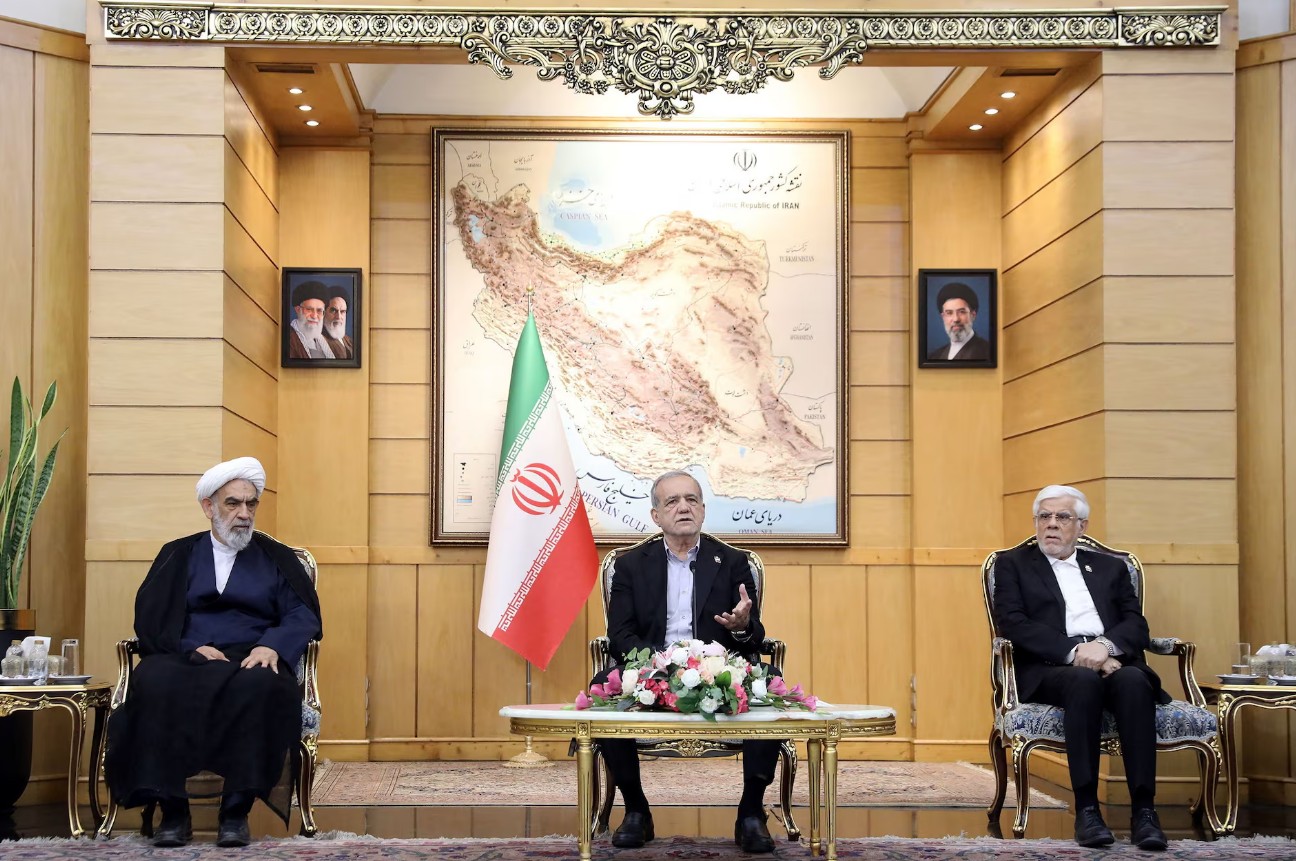
Iranian Foreign Ministry spokesman Esmaeil Baghaei stated that Tehran did not negotiate on the nuclear programme and did not agree to any new obligations. Moreover, Iran insists that IAEA inspector access to nuclear facilities will depend on the progress and outcome of the talks.
Key Obstacles to a Deal
The fate of highly enriched uranium stocks. The main stumbling block is what to do with Iran’s stockpile of uranium enriched to 60%, which is close to weapons‑grade level. Iran is estimated to possess about 440 kg of such material.
Trump insists on the removal or destruction of these stocks. Iran, for its part, does not want either, although it has expressed possible readiness to “downblend” the material. According to Pakistani Foreign Minister Ishaq Dar, a compromise was reached: Iran will reduce the enrichment level, but the material will remain stored underground.
Iran’s right to enrich. The US has previously demanded “zero enrichment” in Iran. Tehran, however, says it will never give up its right to enrich uranium. The sides discussed a possible moratorium of 5 to 20 years, but a compromise remains elusive.
IAEA inspections. Iran suspended cooperation with the IAEA and blocked inspector access to key nuclear sites after Israeli and US strikes in June 2025. Vance claims that Iran agreed to allow inspectors, but Tehran denies this, stating that interaction with the IAEA will be based on “safeguards agreements.”
IAEA Director General Rafael Grossi welcomed the memorandum, calling the recognition of the agency’s role a “healthy starting point.”
Possible Ways Out of the Impasse
Analysts and diplomats offer several options:
- Compromise on enrichment. Instead of demanding a complete halt to enrichment, the parties could agree on a temporary moratorium and a freeze on Iran’s nuclear programme for a defined period.
- Phased downblending of uranium. Instead of shipping enriched uranium out of the country, Iran could agree to downblend it on site under IAEA supervision.
- Return to inspections in exchange for sanctions relief. Iran has already secured temporary sanctions relief on oil exports and the release of some assets. Further easing of sanctions could be a lever for inspector access.
- Multilateral format. Chinese diplomat Li Song stressed that Iran’s nuclear problem cannot be resolved through political confrontation – diplomatic efforts within the IAEA framework are needed, with full respect for Iran’s right to peaceful use of nuclear energy. A return to the 5+1 format (Russia, China, US, UK, France, Germany) could provide a more sustainable basis for talks.
Positions of the Parties and External Factors
The US seeks “complete denuclearisation” of Iran and insists on tough inspections. However, experts believe the Trump administration may lack the attention to detail needed for complex nuclear negotiations.
Iran views its nuclear programme as a matter of national dignity and technological sovereignty. Tehran does not want to give up its right to enrich but is open to compromises in exchange for sanctions relief.
Israel remains the main “spoiler” of the negotiating process. Prime Minister Benjamin Netanyahu has said Israel is not bound by any US‑Iran agreement. Israeli strikes on Lebanon have already threatened the talks, and any further escalation could derail them entirely.
Experts are sceptical. As David Schenker of the Washington Institute for Near East Policy noted, “this administration has shown it has trouble staying focused on these issues.” Senator Lindsey Graham, a close Trump ally, said: “My scepticism is Iran itself. What should a good deal look like? No enrichment. And we’ll see if we can achieve that.”
Outlook
The 60‑day period allotted for negotiations is extremely tight for resolving issues that have accumulated over decades. As analysts point out, the 2015 nuclear deal (JCPOA) took about two years of negotiations. Nevertheless, the creation of working groups on the nuclear file, frozen assets and Lebanon gives hope for progress.
Chinese diplomat Li Song summed it up: “Political confrontation will not solve Iran’s nuclear problem. Pushing through resolutions will only intensify the conflict.”
The key question today is whether the parties can find a mutually acceptable formula that allows Iran to save face and the US to guarantee that Iran’s nuclear programme remains peaceful.