WASHINGTON (Realist English). American and Israeli militaries have developed detailed plans to resume strikes on Iran after the US midterm elections scheduled for November 3. The New York Times reports this, citing American officials and sources familiar with the discussions.
What the plan entails
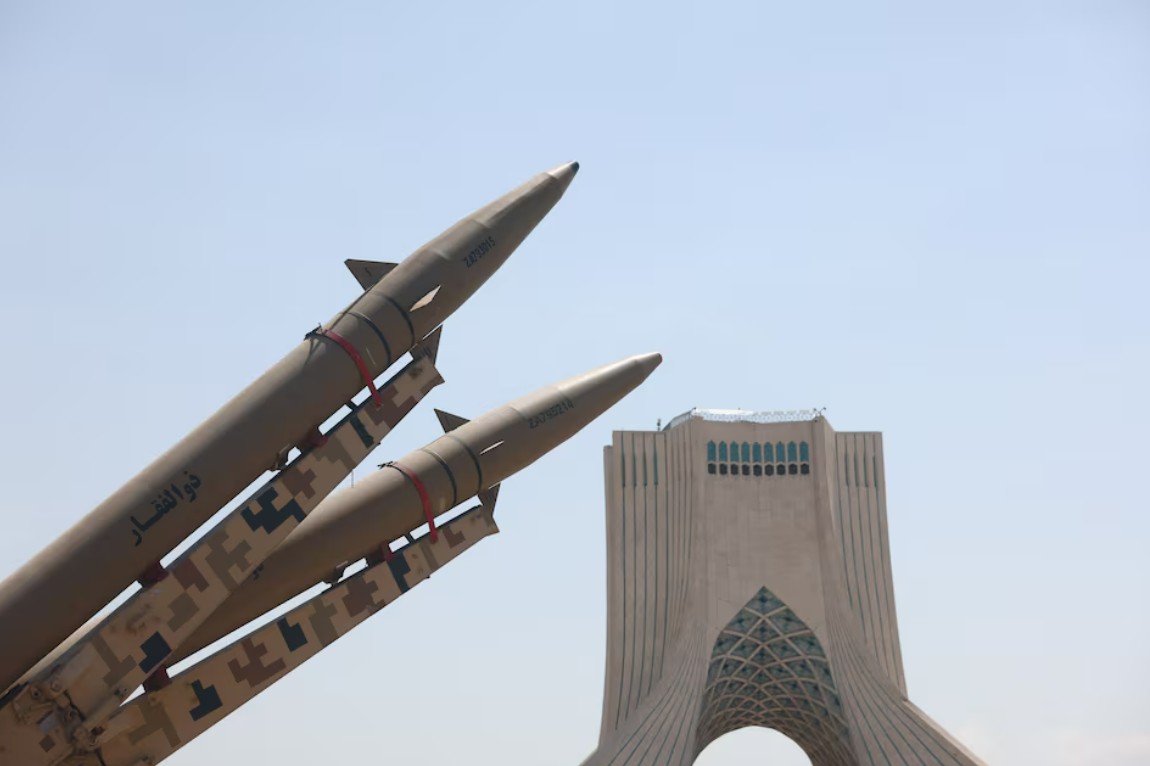
According to NYT, this is a “short but intense operation.” Potential targets include Iran’s nuclear facilities, including the deeply buried Pickaxe Mountain complex, energy infrastructure, and missile and drone depots. At the same time, sources note that strikes on Iranian oil refineries will be excluded to avoid triggering further increases in energy and fuel prices.
The military has already intensified exercises: American and Israeli aircraft are conducting flights over Iraq to practice strike maneuvers. The US arsenal in the region, according to NYT, will be fully ready by early November.
Political context: the decision is Trump’s
Despite the preparations, President Donald Trump has not yet made a final decision on resuming hostilities. He has repeatedly blocked plans to return to large-scale strikes, including in early October when the military was almost ready to attack. On October 9, Trump stated that the US would not strike Iran before the midterm elections because the parties were engaged in “productive discussions.”
A White House official told NYT that the administration does not comment on military plans “that may or may not exist,” adding that Trump “keeps all options on the table” to prevent Iran from obtaining nuclear weapons.
Skepticism and risks
The publication notes that there is “every reason to be skeptical” that the new campaign will be more successful than the first phase of strikes in February–April 2026. That series of attacks led to higher energy prices, global inflation, undermined security in the Middle East, and seriously depleted the Pentagon’s interceptor missile arsenal.
In addition, uncertainty is created by the political situation in Israel: Prime Minister Benjamin Netanyahu is facing a difficult election battle, and if he loses the October 27 elections, it will be difficult for him to order strikes as interim head of government.
Iranian threat
Iranian officials, in turn, have threatened that in response to strikes they will expand the list of targets to include not only commercial vessels and energy infrastructure but also data centers and underwater internet cables.
The NYT publication exposes a fundamental contradiction in Washington’s strategy: the military is preparing for escalation, while the president uses the threat of strikes as leverage in negotiations but does not dare to carry them out due to economic and political risks. The first phase of the war did not bring Iran the collapse expected in Washington but only depleted US resources and destabilized markets.
Repeating the operation could give Tehran a pretext for an even tougher response, including attacks on civilian infrastructure that Iran has already announced. For Trump, this creates a dilemma: strikes after the elections could strengthen his image as a “strong leader,” but their consequences — rising fuel prices, inflation, and the risk of a broad regional war — will fall on the same administration. While preparations are underway, the final decision remains with the White House, and it is on this that whether this plan becomes reality or remains another instrument of pressure depends.