LONDON (Realist English). The UK government has launched the “Be Ready” campaign, urging households to prepare for possible disruptions to essential services. As Sky News notes, the initiative was published on October 22 without a separate ministerial presentation, although it was planned as part of a three-year campaign to strengthen national resilience.
What is recommended
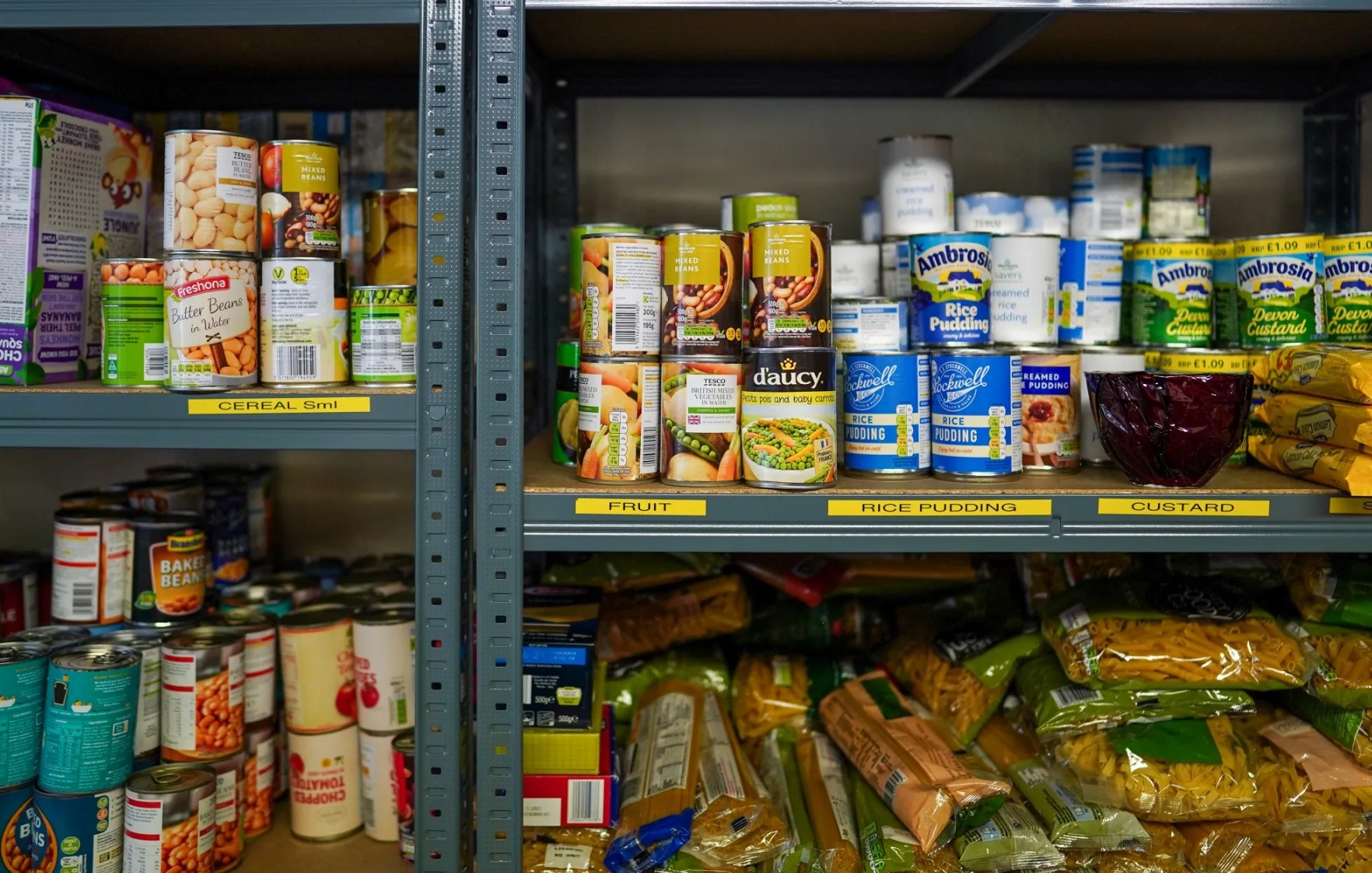
According to the official checklist, every family should have a supply lasting at least three days. Key items: at least three litres of drinking water per person per day (that is, nine litres for 72 hours), long-life food that does not require refrigeration or cooking, a first-aid kit and necessary medicines, blankets and warm clothing, a torch with spare batteries, an FM radio on batteries or with a hand crank, and a portable charger for a phone.
Separately, it is recommended to keep cash at home in case electronic payments or ATMs stop working, and copies of important documents. Families with small children — baby formula and nappies; pet owners — food and water for their animals.
What to prepare for
Defence Minister Wes Streeting, commenting on the campaign, named the threats it is intended to counter: cyberattacks capable of disrupting supply chains and supermarket payment systems, extreme weather events and “state-sponsored terrorism” from Russia and other hostile forces. “Terms like ‘hybrid warfare’ and ‘grey zones’ do not convey the essence. I prefer to say ‘state-sponsored terrorism’,” he said.
The campaign was launched amid a global race to fix a critical vulnerability in the PHP programming language, which led to 32 UK government websites being temporarily taken offline as a precaution. Streeting warned that such incidents will occur “more and more often”.
“Vigilance, not panic”
The call drew criticism as scaremongering. On BBC Question Time, an audience member asked Streeting whether this would lead to panic buying, as at the start of the COVID-19 pandemic. The minister replied: “We want people to be vigilant, but not alarmed. To be honest, we looked at what our friends in Europe are doing. They are ahead of us on some issues.” According to him, the internal question was not “whether to do this” but “why we didn’t do it earlier”.
Shadow Security Minister from the Conservatives Alicia Kearns criticised the initiative as “lecturing the public”: “Emergency preparedness is important. But the government should put its own house in order before lecturing others.”
The “Be Ready” campaign is not a one-off warning but an attempt to change the culture of emergency preparedness nationwide. The UK joins France, Ireland and the Netherlands, which already recommend that citizens keep a three-day supply.
However, the word “quietly” in the headline reflects the delicacy of the moment: the government seeks to avoid panic but simultaneously acknowledges that the threats — cyberattacks, extreme weather, hostile states — are “not hypothetical and not far away, but increasingly here”.
For households, this means rising costs for “invisible” preparation; for businesses, a signal to check supply chains; and for the government, a test of trust: can it convince society of the seriousness of the threats without causing the very panic its critics fear.