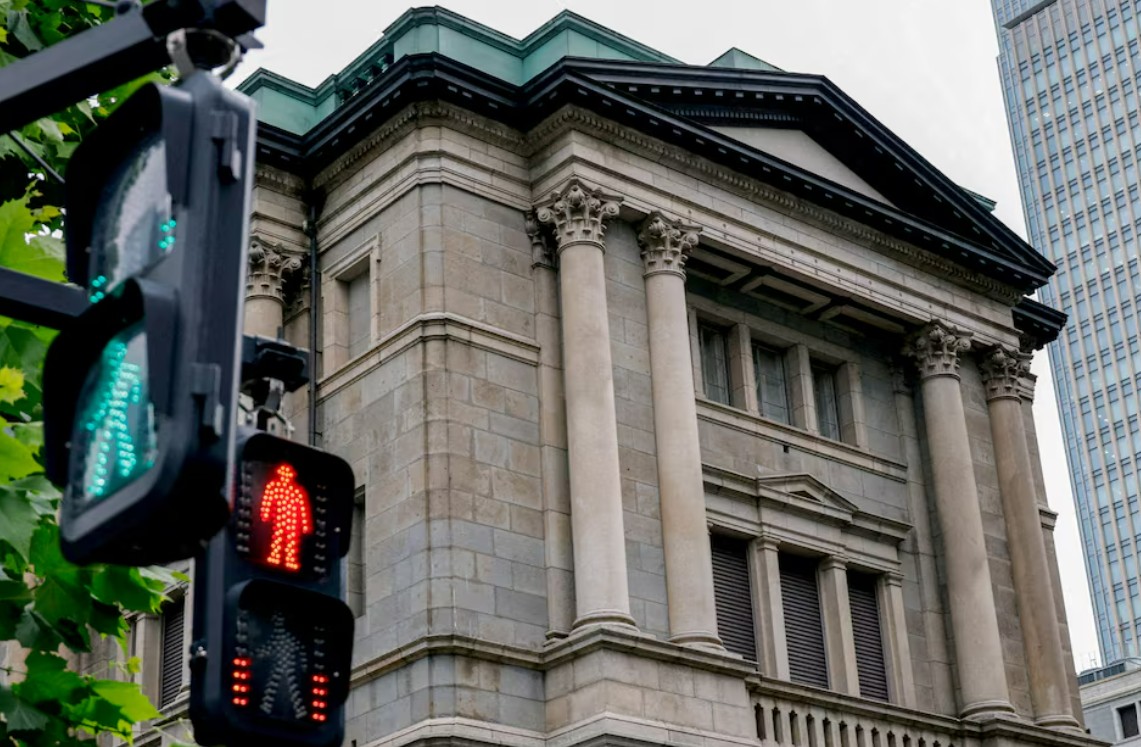
CARACAS (Realist English). Venezuela has once again demanded that the Bank of England return 31 tonnes of its gold reserves, frozen in the underground vaults of the British regulator.
The value of the precious metal is estimated at approximately $4 billion. The authorities intend to use these funds to rebuild the country following the devastating earthquakes of 24 June, which claimed more than 6,000 lives.
Chronology of the conflict: from recognising Maduro to a legal deadlock
Venezuela’s gold reserves have been at the centre of an international dispute since 2018, when the United Kingdom refused to recognise Nicolás Maduro’s re-election. London backed opposition leader Juan Guaidó, and the Bank of England blocked Caracas’s access to its own reserves. Since then, the gold has been the subject of a protracted legal battle in British courts.
In January 2026, Maduro was captured by US forces during a special operation. An interim government came to power, led by acting president Delcy Rodríguez. However, the regime change in Caracas did not lead to the automatic unfreezing of assets. Rodríguez wrote to Britain’s monarch King Charles III requesting the release of the gold, but British courts continue to block the transfer.
The High Court of London rejected Maduro’s latest attempts to gain control of the gold in July, confirming that the decision on recognising Venezuela’s government rests with the British government.
Earthquakes and inflation: a double blow to the economy
The catastrophic tremors, magnitudes 7.2 and 7.5, which struck on 24 June just 39 seconds apart, were among the deadliest natural disasters in Venezuela’s history. They destroyed thousands of homes, left almost 18,000 people homeless, and injured more than 16,000. Preliminary estimates of recovery costs range from $12 billion to $20 billion, with some calculations reaching $37 billion.
The earthquakes dealt a devastating blow to an already fragile economy. Inflation rose to 19.9% in July, up from 13.8% in June, due to supply chain disruptions. On an annual basis, inflation reached 575.9%. Venezuela’s central bank expects inflation to ease in August.
Unity of government and opposition
On 12 August, the interim government and part of the opposition announced joint efforts to recover the gold reserves. The sides completed six days of closed‑door negotiations in Caracas with US support, aimed at a democratic transition.
National Assembly Speaker Jorge Rodríguez, representing the government at the talks, said: “Both sides will join forces to advance the recovery of Venezuela’s international reserve assets held at the Bank of England.” The authorities intend to focus on projects to restore housing, healthcare, energy supply and debris clearance.
International support and sanctions obstacles
More than 100 leading economists from around the world signed an open letter urging the US and its allies to support Venezuela’s recovery through sanctions relief and debt forgiveness. They insist that, amid a humanitarian crisis, human lives must take priority over enforcement measures.
Following the earthquakes, the US administration approved a four‑month sanctions waiver for transactions related to disaster relief. However, this proved insufficient. Delcy Rodríguez also appealed to the head of the IMF for assistance in unlocking frozen funds.
The 31 tonnes of Venezuelan gold remain in the Bank of England’s vaults. The London regulator and the British Foreign Office are refraining from comment. Despite the change of power in Caracas and the humanitarian catastrophe, the legal dispute remains unresolved.
For Venezuela, reeling from earthquakes, devastation and record inflation, $4 billion is not just a figure – it is an opportunity to avert a humanitarian catastrophe. The question is whether diplomacy and humanitarian necessity can overcome the political contradictions that have persisted for nearly a decade.