LONDON (Realist English). European electricity markets have faced a sharp price spike, exposing the vulnerability of the power system during periods of weak renewable generation. Britain’s National Energy System Operator (NESO) was forced to request additional generation due to a projected capacity deficit of about 1.4 GW during morning peak hours.
Scale of the price shock
Day-ahead spot prices showed extreme volatility. In France, Monday prices closed at €334.12 per MWh — the highest since December 2022 — and in Germany at €345.64 per MWh, with some half-hour intervals in the evening exceeding €600. The contrast with the end of the previous week was striking: on Sunday German electricity traded at €13 per MWh before soaring above €300 within days.
The futures market also reacted. December electricity contracts in Germany and France on the European Energy Exchange (EEX) are trading near €200 per MWh, more than double the level a year earlier.
Causes: “Dunkelflaute” and expensive gas
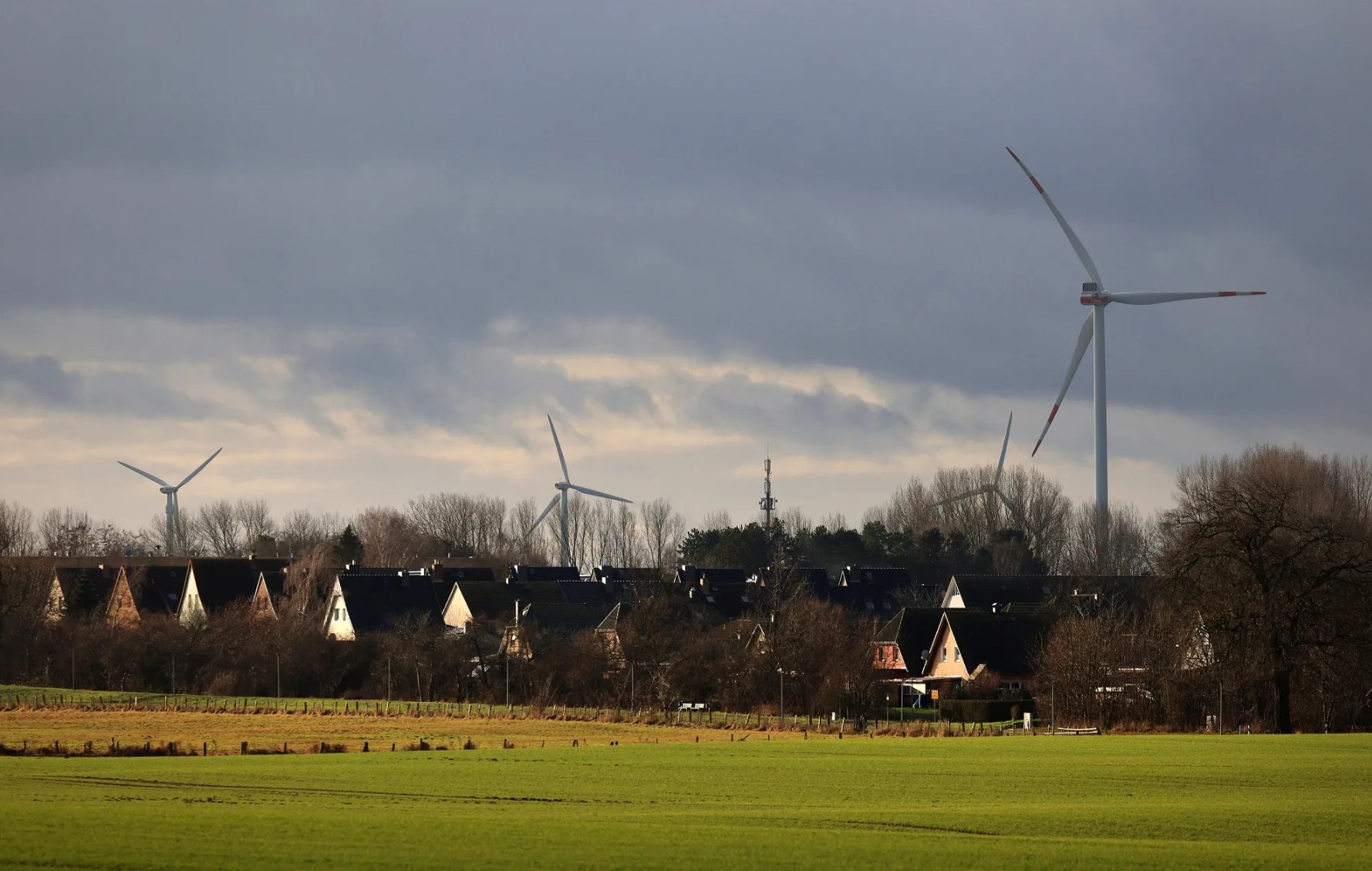
The price spike was caused by a weather phenomenon known in Germany as Dunkelflaute — a period of windless and cloudy weather when wind and solar output falls to a minimum. German average daily wind generation is forecast to remain below 7 GW, less than half the average level since the start of the year. The situation is expected to be especially acute in Germany, the UK and the Benelux countries.
The situation is aggravated by rising heating demand: according to MetDesk meteorologist Ben Davis, temperatures this week will be 1–3°C below normal. High natural gas prices, which have risen this year due to supply disruptions in the Middle East, remain an additional pressure factor.
Because gas-fired power plants often set the marginal price of electricity, their high cost is passed directly through to final consumer prices. TTF gas futures exceeded €100 per MWh for the first time since the energy crisis.
The current price spike is not a one-off anomaly but an early warning of what awaits Europe this winter. As Dunkelflaute periods become more frequent, the power system will increasingly depend on expensive fossil-fuel backup generation, making price peaks a regularity rather than an exception.
The key question is whether Europe can accelerate the deployment of energy storage and flexible capacity to smooth out these fluctuations, or whether winter periods will continue to be accompanied by extreme price spikes undermining both households and industry. For now, the market demonstrates that the transition to renewable energy without adequate buffer capacity creates a new vulnerability.