SAN FRANCISCO (Realist English). Nvidia, which by various estimates controls 80% to 90% of the AI accelerator market, is facing unprecedented regulatory pressure. In parallel with investigations in the United States, the company is under close scrutiny from antitrust authorities in France, the European Union, the United Kingdom and China. At the same time, a scandal is escalating around CEO Jensen Huang, who has acknowledged a personal relationship with a woman suspected of links to Chinese intelligence.
Antitrust pressure: multiple fronts
The French regulator (Autorité de la concurrence) is at the final stage of an investigation opened in 2023. The key complaints concern the dominance of the CUDA software ecosystem, which ties developers to Nvidia chips, and investments in cloud providers such as CoreWeave. The company could face a fine of up to 10% of global annual turnover, which in its case would run into billions of dollars.
In the United States, the Department of Justice (DOJ) is reviewing Nvidia’s acquisition of the open platform Hugging Face for $12.93 billion. Regulators are examining whether the deal gives the company control over a key distribution point for AI technologies. In addition, the DOJ is broadly studying Nvidia’s sales practices and investment strategy. Requests for information have also come from regulators in the European Union, the United Kingdom and China.
Scandal surrounding the CEO
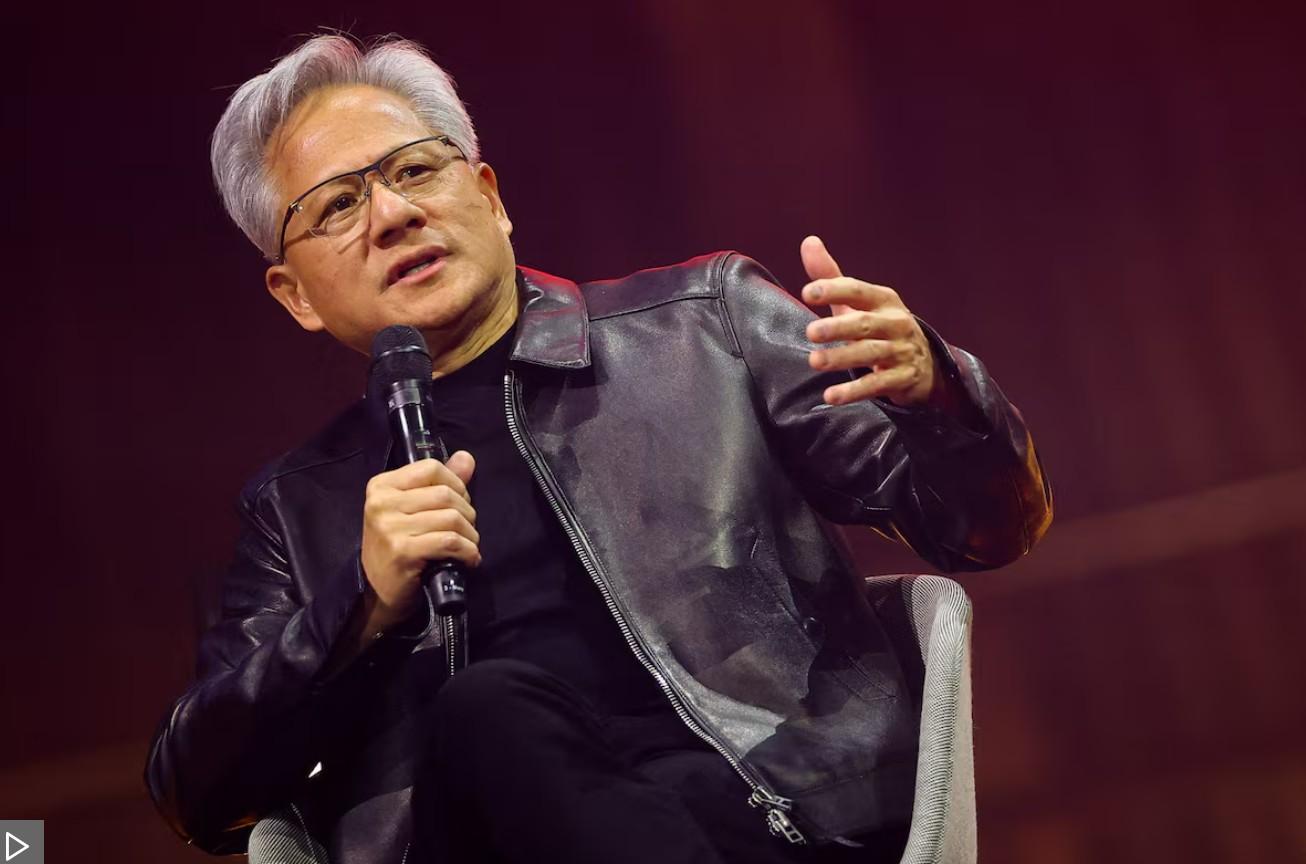
Amid the antitrust proceedings, a scandal involving Jensen Huang is escalating. Although Nvidia denies any leak of secrets, the situation has already had several consequences. US House committees have demanded that Huang testify at a closed briefing.
Analysts note that the company is extremely vulnerable to such crises due to the absence of a formal succession plan: about 60 executives report directly to Huang. The scandal could increase pressure on Nvidia in Washington, where additional restrictions on exports of advanced chips to China are already being discussed.
Global consequences
The current situation around Nvidia has several levels of impact. For the chip market, any regulatory action could trigger a chain reaction across the semiconductor industry and challenge Nvidia’s strategy of expanding influence through investments and acquisitions.
For technological sovereignty, Nvidia’s dominance and dependence on CUDA are causing concern in Europe, spurring discussions on reducing reliance on a single supplier. For the future of AI — since Nvidia is the “arms supplier” to the industry — any restrictions on its activities could affect the speed of development and adoption of AI technologies worldwide.
The “Nvidia probe” is not an isolated incident but a complex problem that could lead to a revision of competition rules in the AI market, changes in global supply chains and increased geopolitical tension around key technologies.
The key question is whether the company can maintain its dominant position under growing regulatory pressure, or whether its model of expansion through acquisitions and investments will be constrained, opening space for competitors and alternative ecosystems.