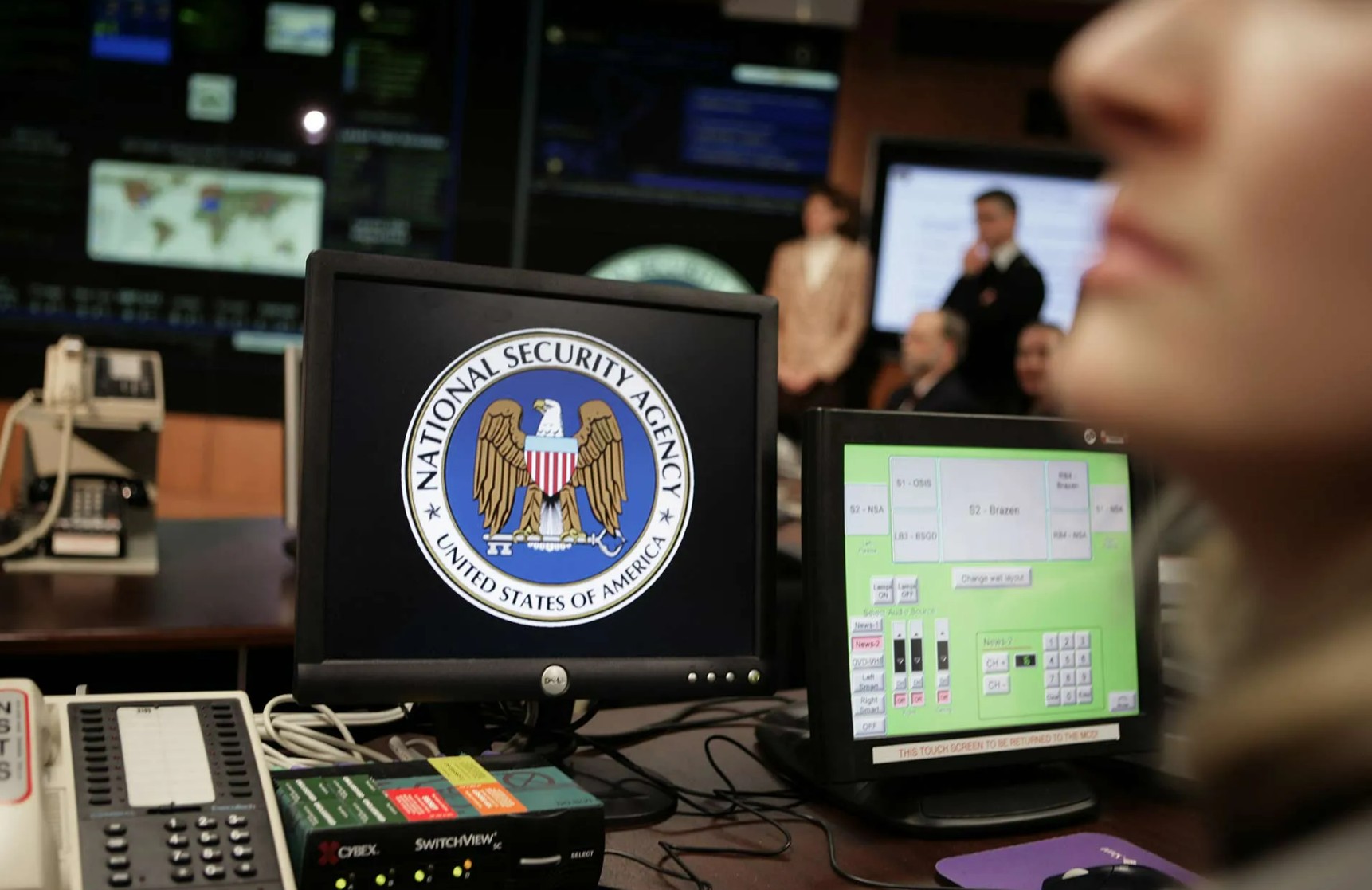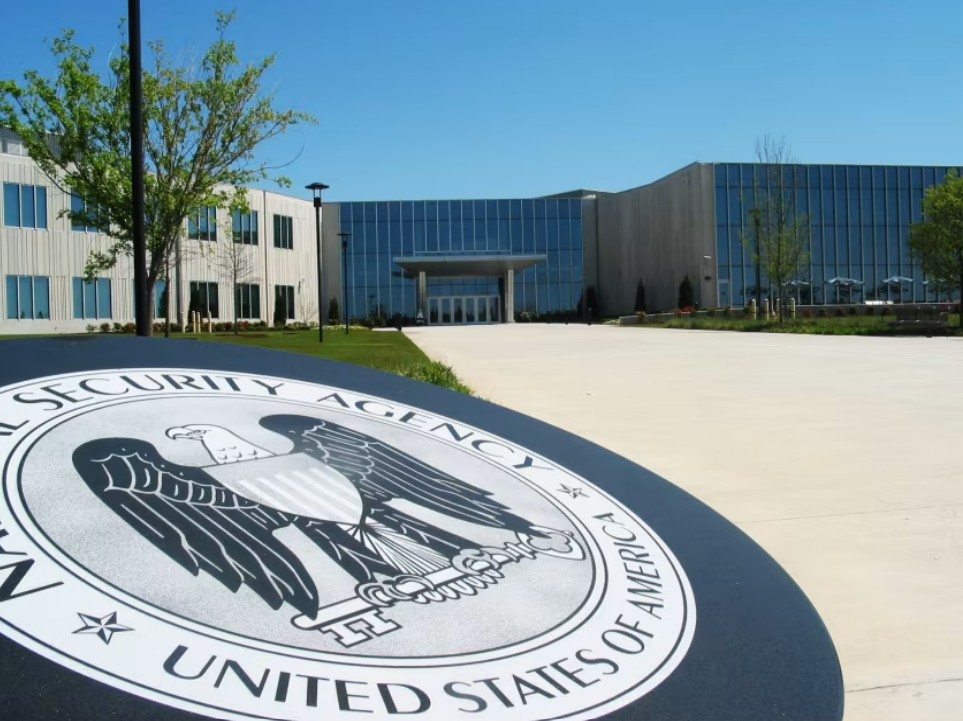
WASHINGTON (Realist English). A technical failure in the US National Security Agency’s (NSA) internal communications network, NSANet, affected operations at the cryptologic centre in the state of Georgia, which oversees signals intelligence and cyber operations related to the Middle East. This is reported by CNN, citing four sources familiar with the situation.
Scale: from Fort Meade to Georgia
The incident, which began on 17 November, meant that employees at the NSA headquarters in Fort Meade, Maryland, could not return to their workplaces for at least two days. An internal notice reviewed by CNN instructed non-essential daytime personnel not to report for duty without instructions from supervisors.
However, according to sources, the most serious consequence was that staff at the Georgia centre could not use NSANet to communicate with colleagues deployed in the Middle East. Workarounds and backup systems were used to exchange information.
As a former senior NSA official explained, NSANet is a “giant classified email system”: when it is unavailable, a US official in a Middle Eastern capital may temporarily be unable to access an intelligence report distributed through the network, but will find another channel to obtain the information.
Official position: not a cyberattack
Director of National Intelligence Jay Clayton told a House Homeland Security Committee hearing that he has “very high confidence” that the failures were not the result of cyberattacks. “We don’t see them,” he said, referring to the tactics, techniques and procedures associated with hacker activity.
According to sources, the failure is linked to the installation of software updates to address vulnerabilities in the PHP programming language. The vulnerabilities were discovered by private researchers last month, including with the help of artificial intelligence tools.
After the patches were applied, some systems did not return to normal operation. The NSA itself officially described the incident as a “temporary degradation” during scheduled maintenance, stressing that critical functions remained fully operational.
A series of technological failures
The NSA incident was part of a string of technical failures in the US in recent days. On 13 November, the Federal Aviation Administration (FAA) suspended departures nationwide due to a communications failure that affected nearly 20,000 flights. On 16 November, a failure occurred in United Airlines’ system, and disruptions were also observed in JPMorgan Chase’s online banking.
At the same time, according to current and former officials, the failure did not affect the NSA’s ability to transmit urgent intelligence to President Donald Trump, who is on a visit to Asia, thanks to backup networks and redundant channels. The intelligence-sharing system with the “Five Eyes” allies was also unaffected.
As observers note, the key feature of the incident is the combination of the sensitivity of the affected facility with official assurances that there is no threat. The cryptologic centre in Georgia is responsible for operations in a theatre where the US is engaged in active hostilities, which makes even a temporary loss of the primary communications channel significant.
At the same time, officials insist on the technical nature of the failure, and the restoration of access, by the administration representative’s admission, is proceeding “more slowly than expected.”
A former NSA employee described NSANet as a system that “was not designed but evolved” over decades, becoming a costly and complex infrastructure to manage, whose replacement would require significant expenditure.
For US intelligence infrastructure, the immediate effect will be most noticeable primarily in assessments of the resilience of backup channels and in whether the incident is followed by congressional hearings — and that is precisely where it is most sensitive for confidence in the intelligence community’s ability to maintain communications amid active conflict.